

Our Offbeat Life contains affiliate links & participates in the Amazon Services LLC Associates Program & other affiliate programs. If you buy something using an Amazon or other link, we may receive a commission at no extra cost to you. See our Disclosure for more details.
19 Mexico Driving Tips: How to Drive in Mexico on Your Mexico Road Trip

Need some Mexico driving tips? Wondering how to drive in Mexico? You’ve come to the right place!
I spent almost a year driving around Mexico with my family before and during our Pan American Highway road trip so I know more about it than the average visitor to Mexico!
Despite its close proximity to the United States, driving in Mexico is a bit different than in the US or Canada.
Having driven all three countries, we’ve realized some key differences require a bit of explanation. I couldn’t keep all this to myself, so to help keep you safe and confident on the road I compiled this list!
The Mexico driving tips I outline in this article will help you do it more easily, whether you’re renting a car on vacation or driving the Pan-American Highway like us.
19 Best Driving Mexico Safety Tips
The most basic Mexico driving tips to some more obscure things, this is what you absolutely need to know in order to drive in Mexico more effectively.
1. Pay Attention to Your Surroundings
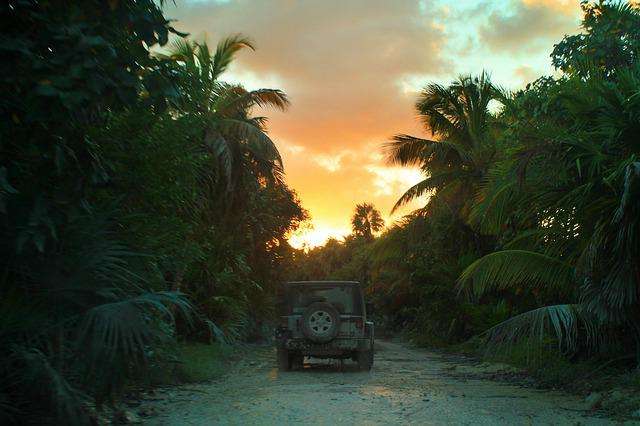
This sounds silly but it’s not. Especially if you haven’t cleared your itinerary with a local, it’s easy to accidentally end up someplace you shouldn’t be.
It’s easy to get caught up in the beauty of what’s around you and not notice the vibe has changed.
Fun Fact: We talked to some fellow travelers who accidentally ended up in “Zapatista country” in Chiapas. This is an area of Mexico that is attempting to secede from Mexico and form its own country.
The residents there frequently accost travelers and generally frighten passers-through with large weaponry.
In addition, they often block roads between San Cristobal de las Casas and Palenque, which unsuspecting road trippers don’t always realize.
2. Be Confident
One of the first things you’ll notice when driving in Mexico is that assertive driving is normal. Some people even call it aggressive.
In the United States, assertive driving is generally frowned upon outside of big cities. However, in Mexico, it’s expected.
Pro Tip: Drivers may honk, but don’t be alarmed! A honk in Mexico is usually a friendly heads-up letting you know someone is about to pass.
It’s so common that being a defensive driver may actually put you at risk. Often, even in big cities like Puebla and especially when driving in Mexico City, there aren’t lines on the road.
In these scenarios, just pick a side and keep an eye out for cars looking to pass you. When Mexico city driving, stay in the lane corresponding to the direction you ultimately plan to turn.

2. Car Insurance
Get your insurance from a Mexican auto insurance company. Your U.S. auto insurance won’t cover you after crossing the border of Mexico. And you can’t use your US insurance card with a rental in Mexico.
Pro Tip: Even if the US insurance company tells you it’s possible, no one in Mexico will accept it if you get into an accident.
Instead, you’ll need a special Mexican auto insurance policy to legally drive in Mexico. This can be acquired through an insurance agent.
If you’re planning to drive a rental car in Mexico, you may be able to purchase the insurance coverage directly through the rental agency. Whatever you do, don’t go without any insurance!

3. Keep Your Paperwork Organized
Unlike a road trip in the US or Canada, there are many times when you need to show various forms of documentation for both yourself and your car.
To make routine traffic stops feel more routine, it’s a good best practice to have all your paperwork organized as well as easily accessible.
The following paperwork should always be with you when driving: Drivers’ License, Vehicle Title, Registration, Proof of Mexican Insurance, Personal Contact Names and Phone Numbers, and Passport.
👉 I like this portable file folder because it’s roomy yet compact.


4. Know What Turn Signals Mean
Turn signals were SO confusing for us at first. They mean totally different things than in the US or Canada. They are used to signal turns, but they mean other things as well.
Pro Tip: In Mexico, the turn signal is a sign letting other cars know that they can pass YOU on the indicated side.
On Mexican highways, you may see large trucks with their left turn signal on. This is actually your invitation to pass them on the left. Do so with extreme caution, as their signal to you is not a sign that it is automatically safe to pass.
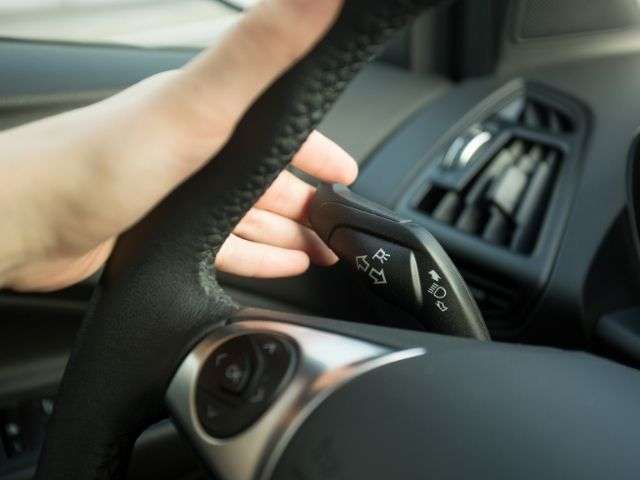
Oppositely, the same applies to you. Do not use your turn signal to tell others you’re changing lanes.
If you use your left turn signal to switch lanes, especially on a tight city road with no lane lines, you may be placing yourself in unnecessary danger. If in doubt, limit your turn signal use to when you’re actually turning.
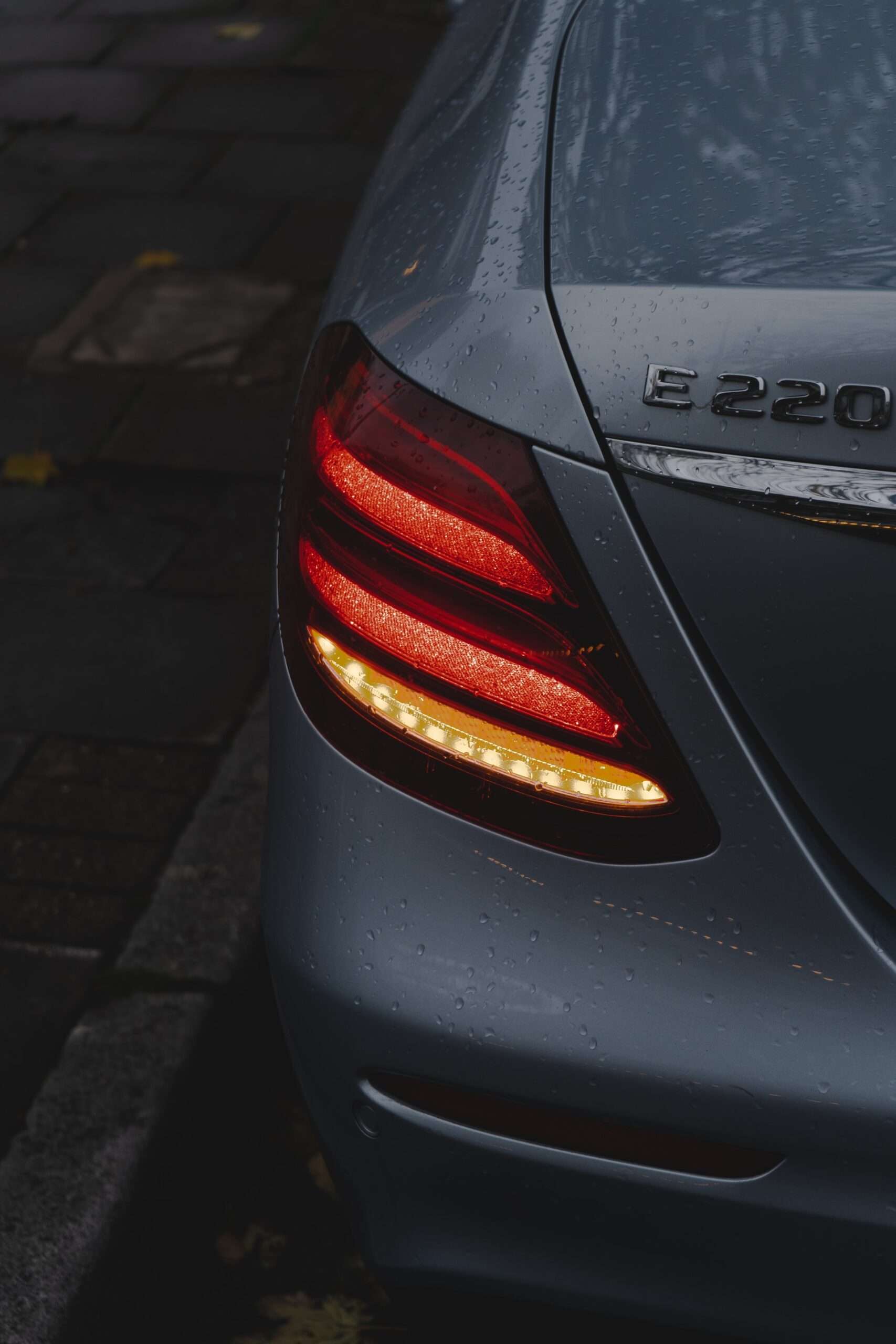
Fun Fact: Mexicans also like to use their hazard lights regularly.
People often pop their flashers on when they are coming to a sudden stop due to traffic. It’s a way to alert drivers behind you that everyone is braking. This happens both on highways and in city traffic.
5. Know About the Green Angels
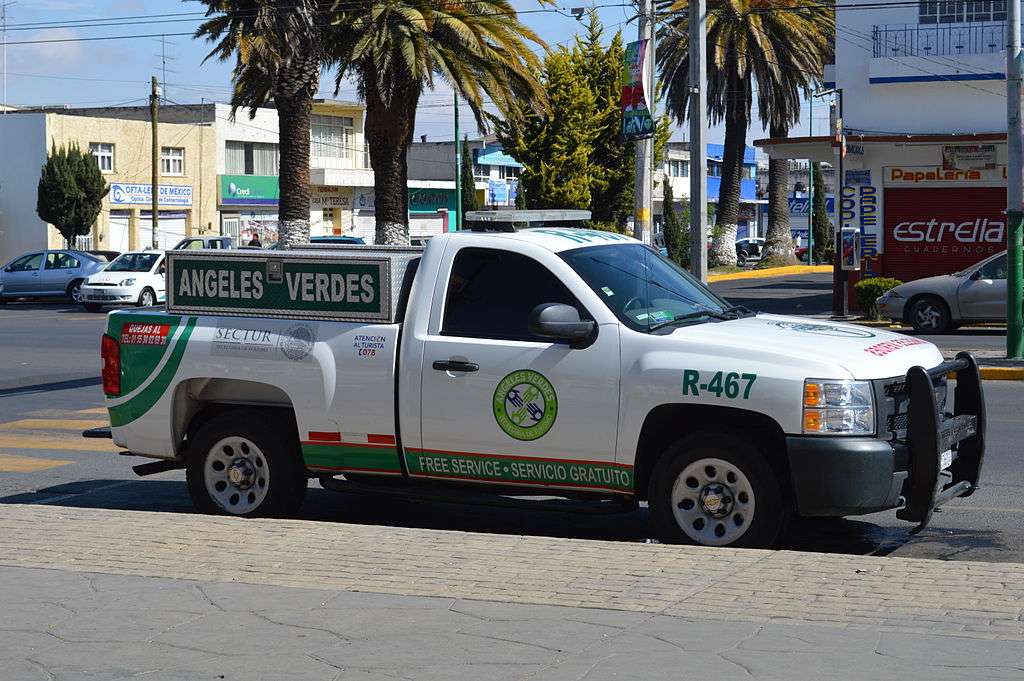
No, this isn’t a new cartel. Mexico’s Department of Tourism operates a fleet of trucks whose purpose is to help motorists with roadside mechanical problems.
Safety Tip: If you need help, dial 078 to contact the Green Angel Help Line.
When an operator answers, you will be asked to provide the highway number, kilometer marker, and direction of travel. This goes back to Mexico Driving Tips #1…
They travel on all main highways in Mexico at least twice daily. The drivers are polite, professional, and bilingual. They only service major highways though, so if you break down in a random place, they won’t be able to help.
Pro Tip: If you receive service from a Green Angel, don’t forget to offer a them a tip to show your appreciation.
If you are out of gas, have a flat tire, or have a mechanical problem, the Green Angels will fix the problem or arrange for reliable assistance to get you back on the road.
6. Plan for Extra Driving Time
Traffic can slow down out of nowhere. Just like in the US or Canada, accidents happen and can cause highway gridlock.
Not-So-Fun Fact: Not all the roads in Mexico are well maintained. Some have massive potholes that slow down traffic to drive over or around it.
In addition, speed bumps are everywhere. Called topes, these bumps are often enormous. We’ve even seen vehicles take the bumps at an angle in order to avoid bottoming out.
The worst part about speedbumps is they are frequently unmarked, except by skid marks. They usually appear out of nowhere when entering and leaving small towns.
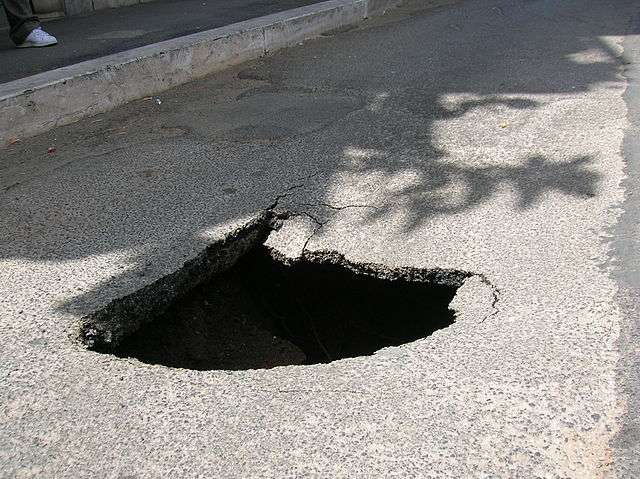
They also show up out of nowhere on highway entrance ramps in Puebla. Just as you’re speeding up to merge with traffic.
And you don’t see it because it’s not marked or expected, so your car quite literally is airborne for a couple of seconds. Yup, this happened to us, even as “tope awareness” veterans. Hence Mexico Driving Tips #1…
7. Avoid Driving at Night
This is the second-best of the Mexico driving tips we received. And it’s not because of cartels. It’s because of the dang topes! They aren’t always limited to small towns or highway ramps. Oh no! They can be, literally, anywhere on a road.
In addition, roads and highways are often poorly lit. And by that I mean they don’t have any street lights. It can be pitch black other than your headlights.
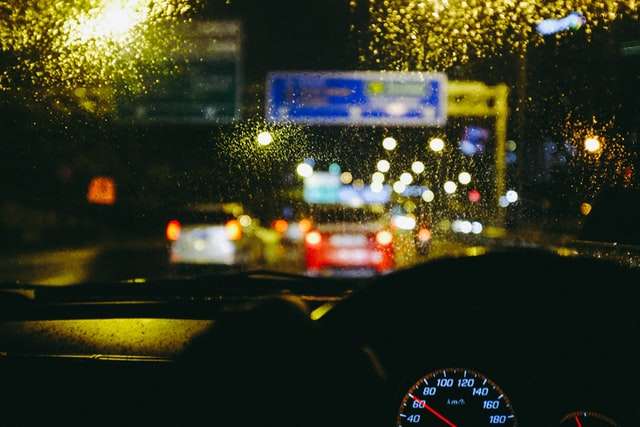
Fun Fact: I drove at night once. In the rain. Our first day driving in Sonora, Mexico. It was terrifying.
At the same time, there can be people and/or animals walking on and across the street. Or a massive pothole. There are just so many road hazards that driving at night should ONLY be done if absolutely essential.
8. Don’t Speed
Go the speed limit at all times in Mexico. Even if traffic is going faster than you. If you have foreign plates on your car or look like a foreigner, you are more likely to get pulled over.
Even if you’ve done nothing wrong, a crooked cop may see an opportunity to suggest you pay your ticket now.
Hint: That’s a bribe and it’s illegal.
Paying a ticket now is not a real thing. I talk more about that later. Keep Reading.
9. Driving on the Shoulder
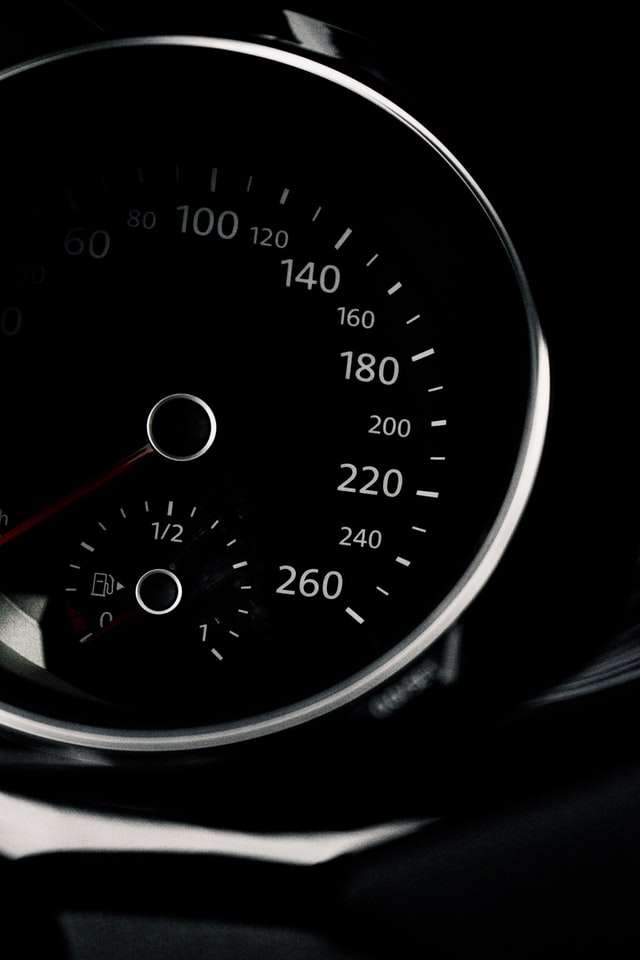
Some Mexicans drive with a lead foot. They go double the speed limit and want to pass everyone. It happens everywhere we go.
Common courtesy in Mexico dictates that driving on the shoulder isn’t just allowed. It’s expected. If you are driving slower than the traffic around you, even if you’re going the proper speed and they’re all driving like maniacs, it’s customary.
You’re expected to drive at least halfway on the shoulder, preferably with your blinker on, to show that you’re willing to let people pass you. Most often, you’ll see semi-trucks on highways driving like this.
10. Stick to the Toll Roads
Not all roads in Mexico are well kept. Hence the surprise topes, massive potholes, and other ‘adventurous’ issues I’ve mentioned so far. Toll roads (called “cuotas”) are usually better than regular roads (called “libre”).
Pro Tip: Before you drive between cities, check toll prices here.
If you must drive at night, make sure it’s on a cuota. These are the fastest, best kept roads in Mexico. They’re also more expensive.
Our drive from Nogales, AZ to Playa del Carmen, MX cost us over 5,000 pesos ($255 USD). That’s still cheaper than a new suspension, though.
11. Prepare for Military Checkpoints
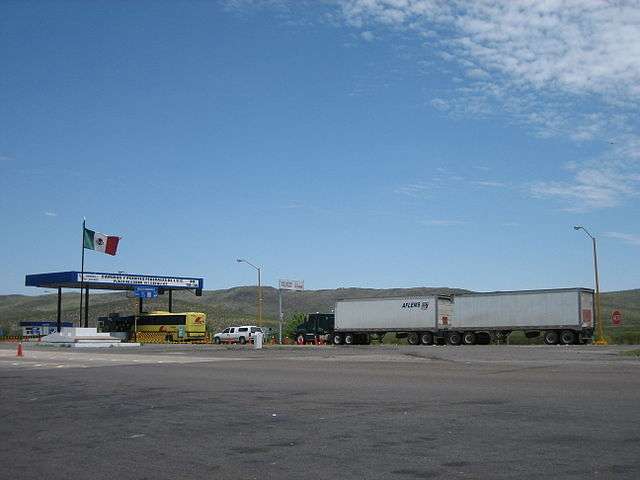
As you drive in Mexico you are likely to encounter military checkpoints on the highway. Sometimes, the military will be waiting just after a toll booth for random inspections.
Our foreign-plated vehicle has resulted in us being selected “randomly” every time we’ve encountered one.
Pro Tip: As you approach a checkpoint, lower all the windows in the vehicle for easy examination. Pull out all car paperwork; have it ready to show them.
Do not be alarmed. These soldiers are usually polite, courteous, professional, and efficient as they go about their job of looking for drugs and firearms.
Once they complete their inspection we often engage them in conversation and always find them to be quite friendly.
Usually, when this happens to us, they just want to check the date and send us on our way. Occasionally, you may be asked to step out of your vehicle so it can be searched more thoroughly.
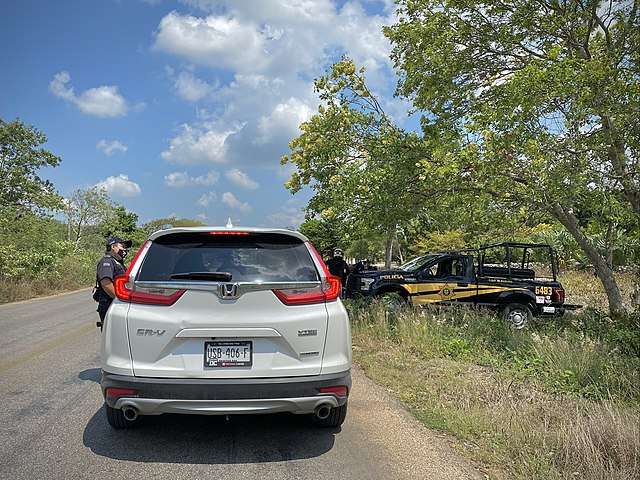
In this situation, do not leave any valuables such as a wallet, purse, cell phone, or cash in the vehicle. If your kid(s) have electronic devices, they should keep them in hand when they get out of the car with you.
While most military officers are honest, don’t tempt fate that something important won’t be there when the inspection is over.
12. Be Prepared When Driving in Mexico with US Plates
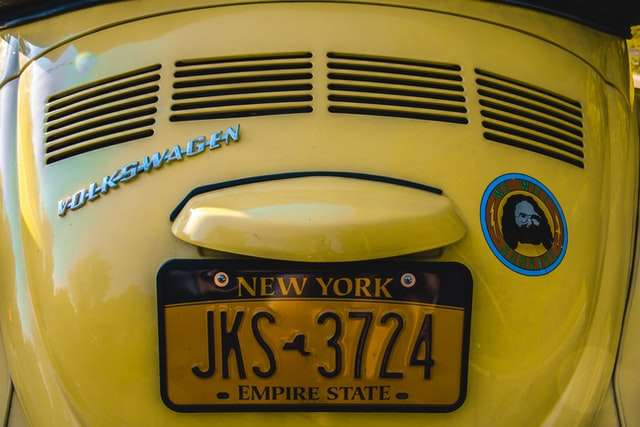
US plates, Canadian plates, or any other foreign plates are very noticeable in Mexico. This is especially true if you’re driving a vehicle without a front license plate.
All throughout Mexico, it’s required to have two plates. So it can be troublesome if you only have one. It may result in you getting pulled over more often for “random” inspections.
Pro Tip: If you live in a one-plate state, request an additional plate from your DMV to install on your car before you head to Mexico.
Also, if you park illegally, the police will take your license plate. You will need to go to the police station to pay for your ticket and retrieve the plate.
Sometimes, though, officers get a bit greedy and take your plate without you having done anything wrong.
They require you to pay them on the spot to get it back instead of going to the station. (This is a bribe. Don’t pay. Ask them for a ticket instead.)
👉 To mitigate these issues, get backup plates with your actual plate number on them, anti-theft screws, and a license plate cover.
13. Never Let your Tank go below Half Full
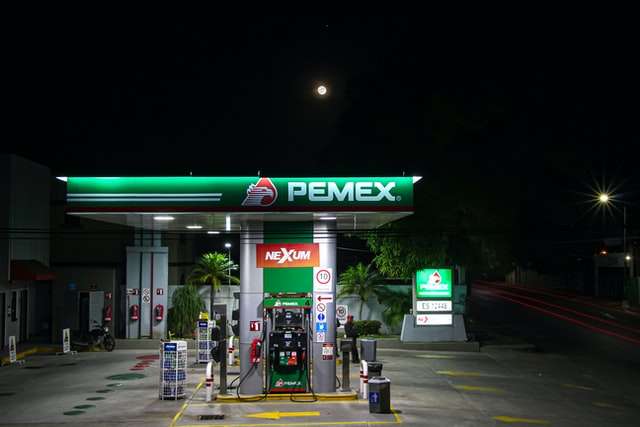
Gas stations are found at pretty regular intervals on the highways. However, sometimes they might be cash-only, the line to fill up might be extremely long, or they might be closed.
All of these, or other issues, might lead you to drive further than expected. Don’t take any chances.
14. Don’t Drink and Drive
Drinking and driving in Mexico is a bad idea anywhere. However, a Mexican jail is not something you want to include in your list of adventures. Being caught under the influence of drugs, driving in Mexico or not, is even worse.
If you are caught under the influence of drugs or alcohol while driving, it will also void your Mexico Auto Insurance. When in doubt, refer back to Mexico driving tips #1.

15. Know Road Sign Meanings
It’s helpful in Mexico to know basic Spanish. However, it’s not essential and you can get by with a decent translation app on your phone. The following traffic vocabulary words are what you need to know when driving in Mexico.
| English Word | Spanish Translation |
| Stop | Alto |
| Speed Bump | Tope |
| Dangerous | Peligrosos |
| Caution | Cuidado |
| Slow | Despacio |
| Right | Derecha |
| Left | Izquierdo |
| Entrance | Entrada |
| Exit | Salida |
| Detour | Desviacion |
| Dangerous Curve | Curva Peligrosa |
| Pedestrian Crossing | Cruse de Peatones |
| School Zone | Zona Escolar |
| Livestock Zone | Zona de Guando |
| No Engine Braking | No Utilizar Freno con Motor |
| Do Not Drive When Tired | No Maneje |
| Do Not Disregard the Signs | No Maltrate las Senales |
| Do Not Litter | No Tirar Basura |
| Road Closed | No Hay Paso |
| No Passing | No Rebase |
| Do Not Pass | Prohibido el Paso |
| Watch Your Distance | Guarde Su Distancia |
| Slow Down | Dismunuya Su Velocidad |
| Reduce Your Speed | Reductor de Velocidad |
| Respect the Speed Limit | Respete de Velocidad |

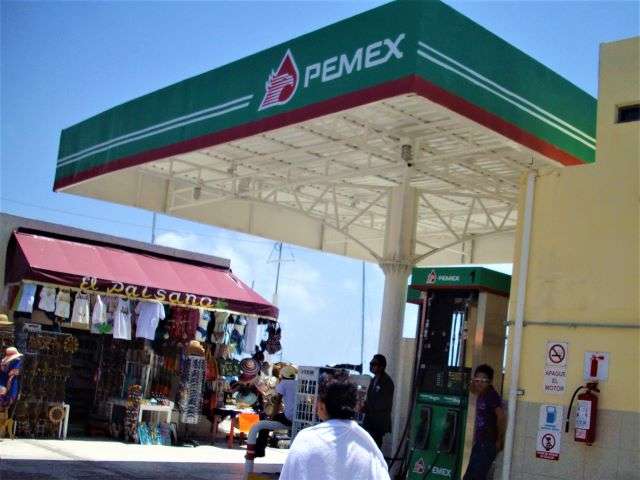
16. Avoid Gas Station Scams
No Mexico driving tips post would be complete without helping avoid scams. Most of the time you won’t have any issues at a gas station. However, there are a few common scams found at sporadic gas stations throughout the country.
It’s a common trick for the attendant to pretend you gave them a lower denomination note than you actually did, by swapping the bill you gave them for a smaller one in their pocket. (e.g. Swapping a 500 peso note for a 50 peso bill.)
Avoid getting scammed in this way by declaring the note you are giving them as you hand it over.
Pro Tip: You don’t pump your own gas in Mexico. If you’re paying by card, confirm the pump accepts credit cards before the attendant starts the pump.
When you pull up to the pump, tell the attendant how much you want and how you want to pay (efectivo is cash and tarjeta is card). If you want to fill up say, “llénalo, por favor.”
Be sure to specify which type of fuel you want otherwise the attendant may choose the most expensive option.
It’s also the law that they tell you before they begin pumping that it’s on zero. It’s a way to prove that you are getting exactly what you are paying for. Visually confirm the pump is at zero before the attendant begins pumping.
17. Don’t Pay Bribes to Police
When you get pulled over, there may or may not be a legitimate reason. We were pulled over for speeding once, and definitely were not going the speed they claimed. It turned out, that the traffic stop was a bribe shakedown.
Pro Tip: Never be confrontational at traffic stops. Be friendly at all times.
If the officer(s) request a mordidita (bribe) do not pay. Otherwise, you are contributing to corruption, which is illegal. The proper method is that you be given a paper ticket and go to the police station to pay it in person.
Note: It is never officially acceptable for Mexican police officers to offer you to pay the ticket on the spot. That is them asking for a mordidita.
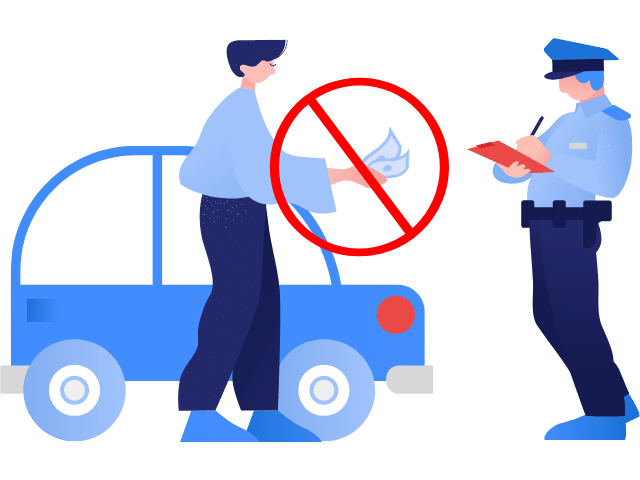
Instead, ask for the ticket and file your complaint at the Transit Office. Chances are they will let you off with a warning if there is no chance of collecting the bribe.
Pro Tip: The best way to avoid paying a mordidita is to be patient.
Keep insisting that you need them to give you a paper ticket so you can go pay at the police station. Once the officers realize you are willing to wait as long as it takes to be given a legitimate paper ticket, they will “let you off with a warning.”
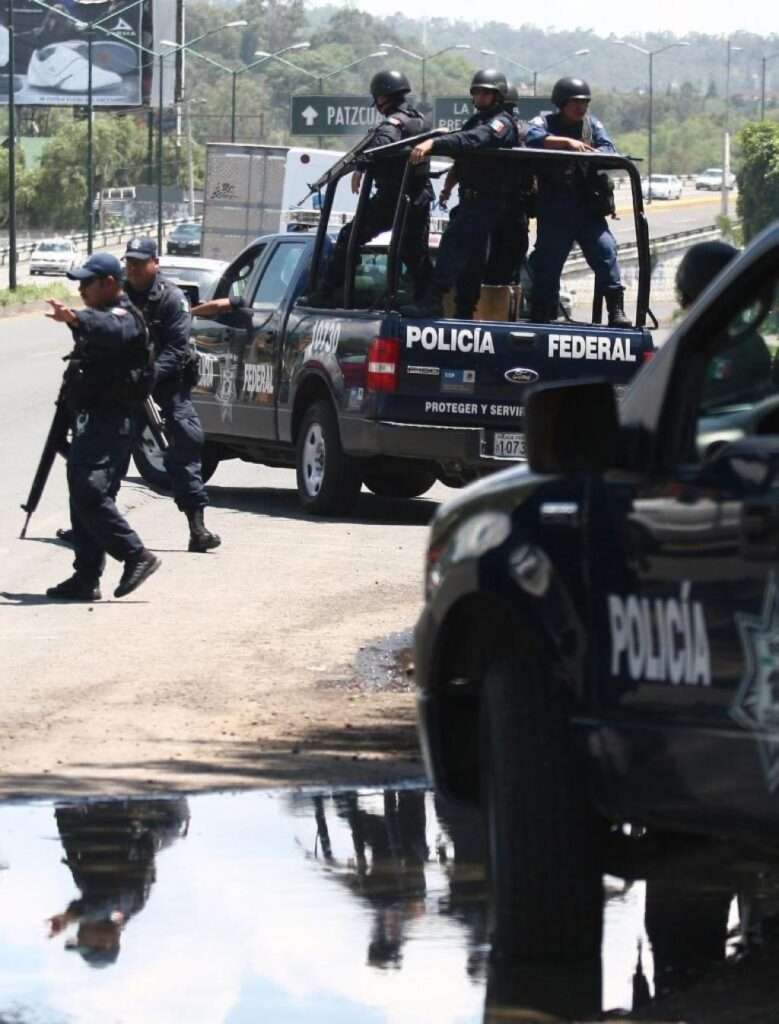
If you’re pulled over and think you’re being asked for a bribe, ask to be given a printed ticket. Tell them you will pay for the ticket at the police station.
If they seem particularly demanding for a mordidita, give them a copy of this. We have several printed to carry around with us.
18. Plan for Unofficial Roadblocks
Oaxaca and Chiapas are two of the poorest states in Mexico. The roads are usually in a pretty poor state of repair. In addition, the locals often take advantage of the situation by putting up their own make-shift roadblocks.
The biggest issue you’ll probably face while trying to visit the tourist areas of Chiapas and Oaxaca is when children pull ropes across the road and ask you for money in order to pass. These can be as frequent as every few hundred feet.
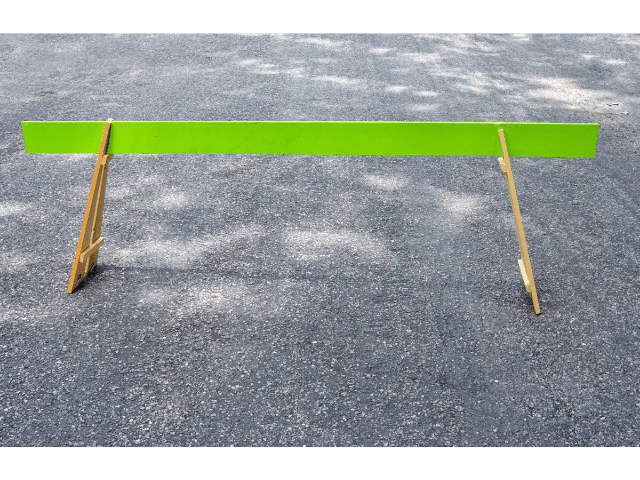
Many people say that you should simply not slow down. The kids will let go of the rope when they see that you are not slowing.
Others say that you can slow and offer them something small. If you do this, only give a few coins or food if you have it.
Other times, like in the Zapatista (aka: EZLN) area of Chiapas, you may encounter armed roadblocks. Do not try to run these. Give them what they are asking for if possible.
This is why I reinforce the Mexico driving tips to always better avoid these situations by confirming your route in advance with locals before driving.
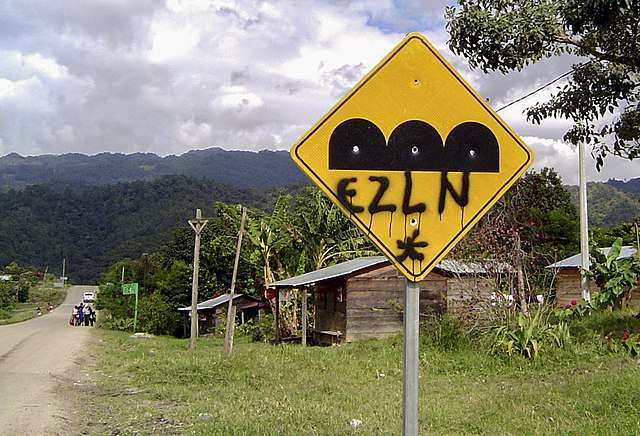
Photo Credit: Matthew T Rader
19. Have a Vehicle Permit to Travel to Mexico
Usually, anyway. For most of the country, you need a temporary import permit (TIP).
This means you pay a deposit at the Immigration office, of which you’ll get most of it back as long as you exit Mexico within your allotted visitation time.
That said, there are a couple of exceptions. Baja California is a TIP-free zone. So is Quintana Roo. In these states, you do not need a TIP for your vehicle.
However, if you enter Mexico in these states and then want to visit another state, you will have to return to the border and get a TIP.

Mexico Driving Tips: FAQs
Do you still have questions about driving in Mexico? Here are answers to some frequently asked questions.
Is it safe to drive to Mexico right now?
Yes and no. It depends on where and when you’re driving. Just like there are parts of the United States that you might avoid driving in at night or when you’re alone, there are places in Mexico where you will want to avoid the same scenarios.
Note: Generally, driving in Mexico is safe. It’s also one of the best and most fun ways to see the country.
The US State Department website has a running list of places that are less safe to travel to. While personally, I feel some of them are overblown (Riviera Maya is often listed as unsafe), others are certainly not.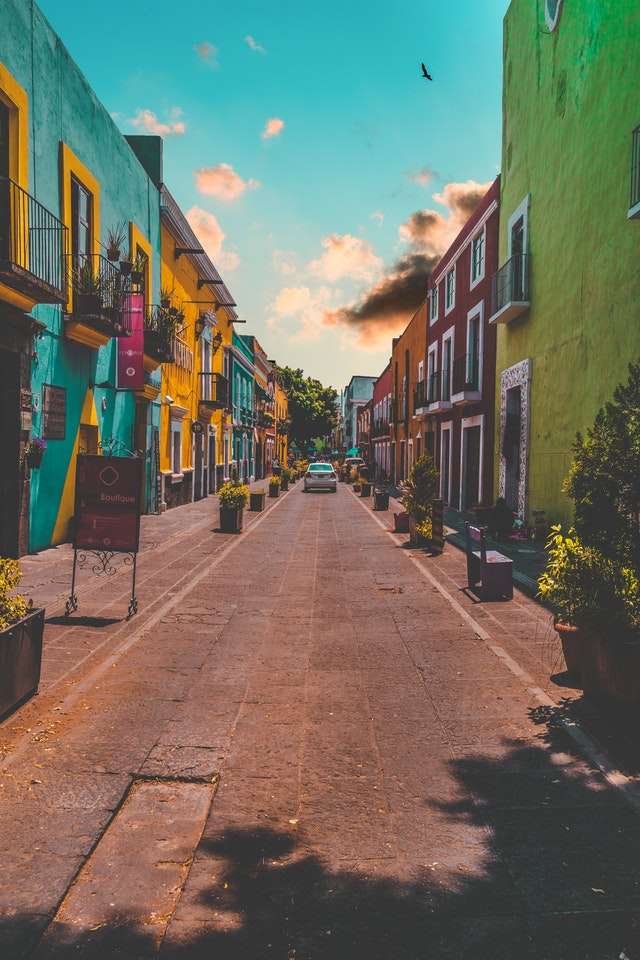
One of the best Mexico driving tips we got was when in doubt, show someone local your driving plans and ask for their advice.
Plan to follow it if they tell you not to go or to take a different route. If you take nothing else from this blog post, please do this.
Do I Need an International Driver’s License in Mexico?
Mexico recognizes all driver’s licenses that are issued in English. This means that you are free to drive in the country with a US, Canadian, British, EU, Australian, New Zealand, (etc…) license.
The only time this isn’t the case is if you are living in Mexico long term. If you have or plan to get either temporary or permanent residency in Mexico, then technically you should be driving on a Mexican driver’s license.
How often this is actually enforced is a different story. However, if you plan on buying a car while you’re in Mexico, then you’ll need a Mexican license.
Is it safe to drive through Mexico?
Is driving through Mexico safe? Yes, driving through Mexico is safe if you take the right precautions. Just don’t go to known dangerous areas. Use common sense like if you’re driving in any major city and be careful and aware of your surroundings.
Is it safe to drive in Mexico?
Yes, driving to Mexico is relatively safe, but you need to take the right precautions. Always plan your routes ahead of time, using a map or GPS if necessary. Ensure that you have all the necessary documents for the vehicle and drivers, and be sure you have vehicle insurance because it’s legally required.
Is driving in Mexico safe?
Driving in Mexico can be safe if you take the necessary precautions. It’s important to stay alert and aware of your surroundings at all times. Make sure your vehicle is equipped with the right insurance, and make sure to drive responsibly and follow all local laws.
Is it safe to drive in Mexico with US plates?
Yes, it is safe to drive in Mexico with US plates. My family and I recently drove through Mexico on a road trip and had no major issues. Locals are friendly and the roads are well-maintained for the most part, so it was an overall pleasant experience.
How safe is it to drive through Mexico?
Driving through Mexico can be quite safe when done responsibly. Many people have successfully explored the country by car, including my family. Just make sure to avoid known unsafe areas, and take the necessary safety precautions.
Mexico Driving Tips: Crossing the Mexican Border
As mentioned above, you will need a TIP for your vehicle. You must stop at immigration to get it.
It’s not always clear where this is, as the first 20 km on either side of the US/Mexico border are a free zone where you don’t need a visitor permit (FMM) or a TIP.
Pro Tip: Use iOverlander to get an advanced idea of what the border crossing will be like.
At the border of the United States and Mexico, you’ll drive through one of several lanes when driving into Mexico, the number of which depends on how much traffic the border crossing handles.
Traffic lights hanging above the lanes will then direct traffic into the country or into the inspection area.
If the light turns green when you’re under it, proceed directly into Mexico. However, if the traffic light is red, you’ll be directed to an area where you’ll park, and a Mexican customs official may ask you some questions or search you and your car.
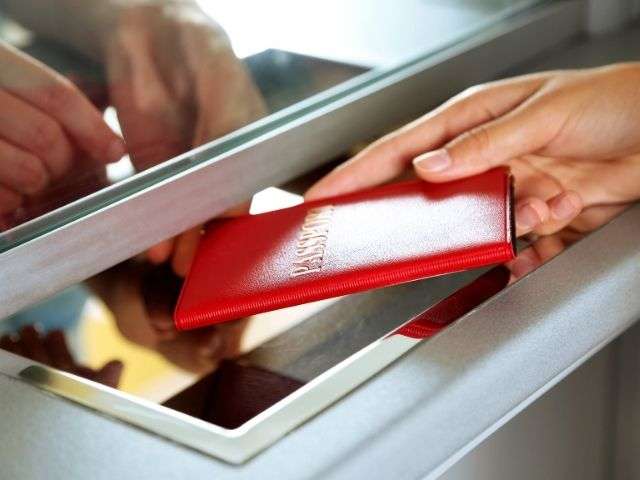
Fortunately, as long as your paperwork is in order (proof of Mexican car insurance and valid passports) and you are carrying nothing illegal, like switchblades or illicit drugs, you’ll be fine and allowed to proceed into Mexico.
If you are bringing gifts or new merchandise with tags, you may be questioned about bringing these items in for resale. Either explain their purpose or be prepared to pay duty (import taxes) on them.

Mexico Driving Tips: Essentials for Driving in Mexico
Like flying, certain items can make your Mexico Road Trip easier and more enjoyable. We keep these items in our vehicle at all times.
Water
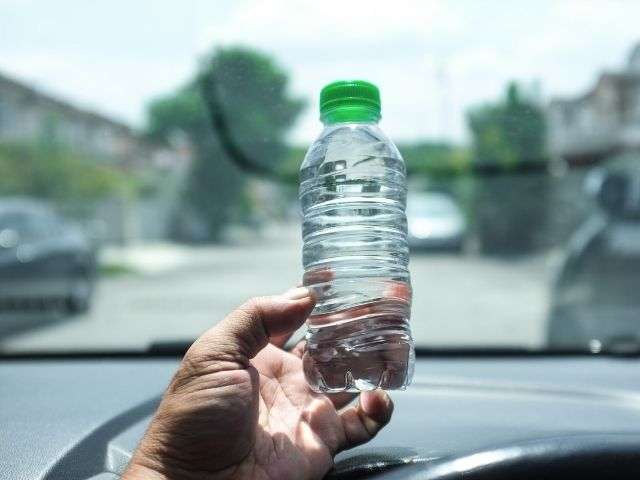
Keep water in your car at all times. Whether you bring a few small bottles to stow in your car doors or a 2L-5L jug to put on the floor in your backseat, it does come in handy.
We have given small bottles of water to police at traffic stops as well as miscalculated how much drinking water we’d need between stops. So we actually keep several small bottles AND a 3L jug in our car for longer trips.
Phone Charger
Always make sure your phone is fully charged. Also keep a charger that you can plug into your car to keep connected.
I’m big on being prepared and the USB in our car broke for a while. So we also have at least one fully charged portable charger in our glove compartment.
👉 I have been using these portable chargers for over 3 years.


Small Peso Coins
Bathrooms in Mexico are all privately maintained. There is usually a family that does this, and this is their primary source of income.
This means the bathrooms also all cost money to enter. Typically the bathrooms at gas stations and rest stops cost 5 pesos to use. Sometimes they’ll cost as much as 7-10 pesos.
These restroom attendants won’t be able to break the 500 pesos or 200 pesos bills your bank or ATM gave you. Have small coins on hand for a quick restroom break.

Toilet Paper
Sometimes Mexican toilets have toilet paper. Sometimes they don’t. Sometimes, the toilet paper is an extra cost at the entrance. Regardless, it’s easier to take your own roll in with you.
👉 I also travel with these wipes, just in case. Don’t flush them or even regular TP in Mexico, though!


Downloadable Maps
As in parts of the US and Canada, there are areas with poor or no cell phone signal. To ensure you can easily continue on your way, download offline maps to your phone before departing for your destination.
We use downloadable Google Maps but some of our friends rave about Maps.me. There are several quality options to use, and each will ensure map continuity in low-reception areas of Mexico.
Conclusion: Mexico Driving Tips
Driving in Mexico as a tourist isn’t generally dangerous, but it does require some additional planning that isn’t always necessary in other countries like the US and Canada.
Be aware of the driving into Mexico requirements for paperwork, and have it all organized before you cross the border. As long as you follow at least some of our Mexico driving tips, you should be just fine.
Be aware of your surroundings, check your route with experts before you leave, have offline maps, buy car insurance, and be courteous and patient if you’re stopped.
👉 While we have global health insurance for our day-to-day lives, we also elect travel insurance with SafetyWing for our spurts of fast travel adventure!


