


To help our readers plan their travels most efficiently, we’ve compiled an exhaustive travel glossary of terms that (hopefully) cover every possible instance of travel planning.
If you find something is missing, please contact us so we can include it!
Types of Travel/Tourism
- Accessible Tourism: Travel that is accessible to all people, regardless of physical limitations, disabilities, or age.
- Adventure Travel: A type of tourism involving exploration or travel to remote or exotic areas, where the traveler should expect the unexpected.
- Agritourism: Travel directed toward experiencing agricultural life, farm activities, or farm stays.
- Ancestry Tourism: Traveling to visit the places your ancestors came from, and learn about their culture and history.
- Archaeological Tourism: Traveling to explore and understand archaeological sites.
- Backpacking: Low-cost, independent travel that may include camping and hiking.
- Bicycle Tourism: Trips made to travel on cycle paths or roads for pleasure, fitness, or tourism.
- Birdwatching Tourism: Traveling to observe birds in their natural habitats as a recreational activity.
- Bleisure Travel: A blend of business and leisure travel where business travelers tack on extra days to their trips for leisure activities.
- Budget Travel: Traveling with the intent to minimize costs, often through cheap accommodation, meals, and transportation.
- Business Travel: Travel undertaken for work or business purposes.
- Cannabis Tourism: Travel to regions where cannabis is legal, often to experience cannabis-related activities or events.
- Coffee Tourism: Traveling to coffee plantations to learn about the coffee-making process from bean to cup.
- Couple’s Travel: Romantic travel with one’s partner, which could include honeymoons, anniversaries, or just shared adventures.
- Cruise Travel: A type of travel that involves a voyage on a cruise ship, visiting multiple destinations.
- Culinary Tourism: Travel planned around tasting, eating, and discovering food and drink from around the world.
- Dance Tourism: Traveling to learn about or participate in different dance styles native to certain countries.
- Dark Tourism: Travel to places historically associated with death and tragedy.
- Disaster Tourism: Travel to disaster zones, either during recovery or after recovery, often for educational or research purposes.
- Eco-Tourism: Sustainable travel to natural areas, conserving the environment, and improving the well-being of the local people.
- Educational Tourism: Travel undertaken for the purpose of learning, often in a structured program or course.
- Experiential Tourism: A form of tourism in which people focus on experiencing a country, city or particular place by connecting to its history, people, and culture.
- Extreme Tourism: Traveling to dangerous places or participating in dangerous events.
- Family Travel: Traveling with family members, often including activities suitable for all ages.
- Fashion Tourism: Traveling to explore fashion hubs, attend fashion shows, or shop at famous fashion retail stores.
- Festival Tourism: Traveling to attend a festival, which can range from music and film festivals to cultural or religious celebrations.
- Film Tourism: Visiting filming locations, movie-themed amusement parks, or movie sets.
- Gap Year Travel: Travel undertaken during a gap year, typically taken between high school and college or after graduating from college.
- Garden Tourism: Traveling to visit botanical gardens and places famous for plant and flower displays.
- Genealogy Tourism: Traveling to the land of one’s ancestors in search of family roots.
- Glamping: A blend of glamour and camping, where travelers experience nature without sacrificing comfort.
- Golf Tourism: Traveling to play golf and/or experience major golf tournaments around the world.
- Halal Tourism: Traveling by Muslims who only want to use services adhering to Islamic beliefs.
- Health Tourism: Travel for the purpose of receiving medical treatment or improving health or fitness.
- Heritage Tourism: Travel to experience the places and activities that authentically represent the stories and people of the past.
- Hiking Tourism: Traveling to hike on trails or mountains, often involving camping in wilderness areas.
- Kid-Friendly: Activities, destinations, or accommodations that cater specifically to families with children. Think playgrounds, kiddie pools, and cartoon-themed restaurants!
- LGBTQ+ Tourism: Travel marketed to the lesbian, gay, bisexual, transgender, and queer/questioning community.
- Luxury Travel: High-quality, premium travel experiences with a focus on comfort, convenience, and personal service.
- Medical Tourism: Traveling to another country for the purpose of obtaining medical treatment.
- Micro Tourism: Exploring and appreciating one’s local area or community, focusing on local attractions, establishments, and experiences.
- Multigenerational Travel: Traveling with three or more generations, like kids, parents, and grandparents. It’s a beautiful way to create shared memories across ages!
- Museum Tourism: Traveling with the purpose of visiting and exploring museums.
- Nautical Tourism: Traveling for activities that involve ships, yachting, boating, sailing, or cruises.
- Nuclear Tourism: Traveling to visit sites where nuclear disasters happened, like Chernobyl, or museums dedicated to nuclear technology.
- Orbitz Travel: Traveling to outer space or planning a vacation in space.
- Photography Travel: Trips focused on capturing the scenery, people, wildlife, or events through photography.
- Pilgrimage: A journey to a place of religious or spiritual significance. It’s a meaningful adventure that can deepen your family’s faith or understanding.
- Pilgrimage: Travel for religious or spiritual purposes, often to a shrine or place of significant meaning.
- Pop Culture Tourism: Travel to locations featured in popular literature, film, music, or any other form of media.
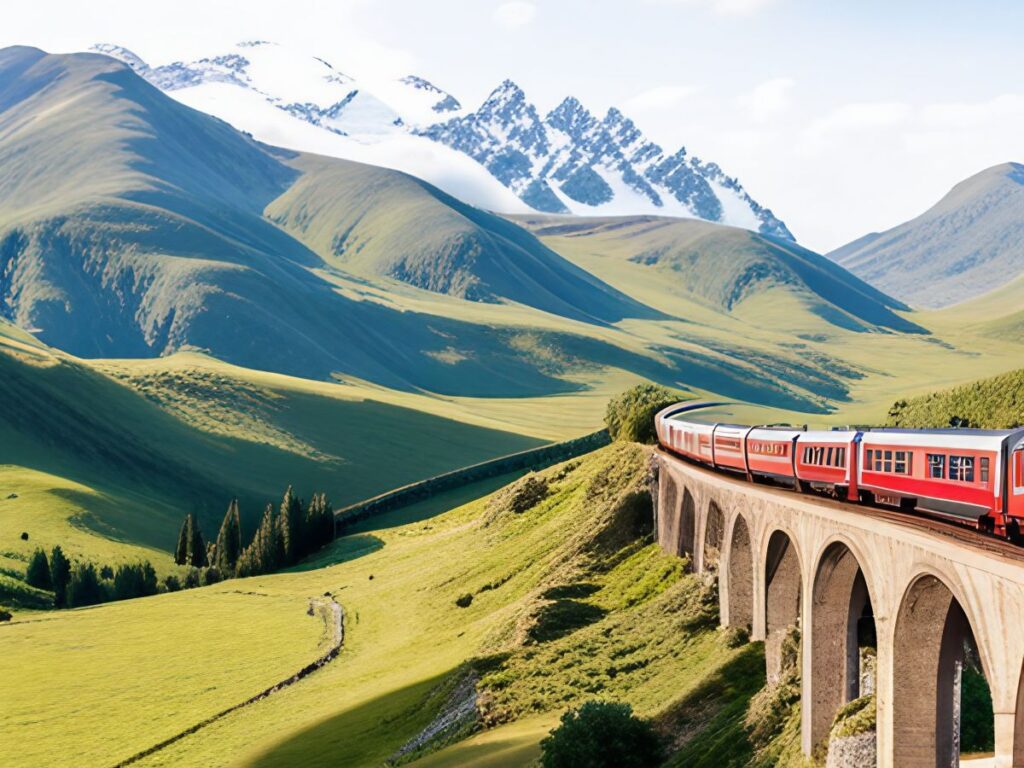
- Rail Tourism: Traveling for the pleasure of experiencing the journey by train.
- Remember to include relevant examples and related keywords for each term to enhance understanding and SEO.
- Responsible Tourism: Travel designed to minimize the negative aspects of conventional tourism and enhance the welfare of host communities.
- River Cruise: A voyage along inland waterways, often stopping at multiple ports along the way. It’s a relaxing and scenic way to travel!
- Road Trip: A long distance journey on the road, typically involving a few days or weeks of travel.
- Rural Tourism: Travel to non-urban areas, characterized by low population density, agriculture, or open space.
- Safari Tourism: Traveling to observe and photograph wildlife – typically in Africa.
- Senior Travel: Travel tailored towards senior citizens, with itineraries that are suitable for their pace and interests.
- Shopping Tourism: Traveling to shop for items not found in one’s home area, often in famous shopping cities like New York, Paris, or Dubai.
- Slow Travel: An approach to travel that emphasizes connection to local people, cultures, food, and music, often involving longer-duration stays in one location.
- Space Tourism: Space travel for recreational, leisure, or business purposes.
- Spiritual Tourism: Traveling for spiritual growth, self-discovery, and enlightenment.
- Sports Tourism: Travel to watch or participate in a sporting event.
- Stadium Tourism: Traveling to visit famous sports stadiums around the world, either during a game or off-season.
- Staycation: A vacation spent at home or nearby, often involving day trips to local attractions.
- Supernatural Tourism: Traveling to places rumored to be haunted or have paranormal activity.
- Tea Tourism: Traveling to tea plantations and factories, usually in countries like India, China, or Japan.
- Textile Tourism: Traveling to places known for their unique textiles and weaving traditions, often involves visiting local weavers or textile markets.
- Tombstone Tourism (also known as Taphophilia): Traveling to cemeteries and graveyards for enjoyment.
- Virtual Tourism: Exploring different countries and cultures virtually through digital platforms from the comfort of one’s home.
- Volcano Tourism: Traveling to active volcanoes or regions known for their volcanic activity.
- Voluntourism: A form of tourism where travelers participate in voluntary work, typically for a charity or non-profit organization.
- War Tourism: Traveling to war sites for historical and educational purposes.
- Waterfall Tourism: Traveling to see and enjoy famous waterfalls around the world.
- Wellness Tourism: Traveling for the purpose of promoting health and well-being through physical, psychological, or spiritual activities.
- Whale Watching Tourism: Traveling to spots known for their whale sightings, usually involves a boat trip.
- Wildlife Tourism: Observing wild animals in their natural habitat as the main reason for a vacation.
- Wine Tourism: Travel with the purpose to taste, consume, or purchase wine, often at or near the source.
- Yoga Tourism: Traveling to attend yoga retreats or workshops, often in places like India or Bali.
- Zoo Tourism: Traveling to visit zoos, animal sanctuaries, or wildlife parks.
Accommodation
- Airbnb: An online marketplace that connects people who want to rent out their homes with people who are looking for accommodations in that locale.
- Airport Hotel: A hotel within the vicinity of an airport, often offering shuttle services to and from the terminals.
- Albergue: A type of inexpensive accommodation, often in shared dormitories, found in Spain and Portugal. Common along the Camino de Santiago.
- Aparthotel: A serviced apartment complex that uses a hotel-style booking system.
- Art Hotel: A hotel that exhibits art in common areas of the property and often in individual rooms, targeting art enthusiasts.
- Ashram: In India, a spiritual hermitage or a monastery.
- Bed and Breakfast (B&B): A small lodging establishment that offers overnight accommodation and breakfast. Example: Many travelers prefer B&Bs for their homely atmosphere.
- Bed Types: Hotels offer different types of beds – King, Queen, Double, Twin, etc. It’s the key to a good night’s sleep for everyone!
- Boat House: A house built on or near a boat, often available for tourists to rent.
- Boutique Hotel: Small, stylish hotels, typically situated in a fashionable urban location.
- Cabana: A small, simple building or tent offering shelter and privacy, often found by the pool or beach at resorts. It’s your own private oasis for the day!
- Cabin: A small, simple house, often made of wood and located in a wild or remote area.
- Camping Barn: A simple stone building, on a farm or in the countryside, which provides basic accommodation for visitors.
- Capsule Hotel: A type of hotel developed in Japan that features many small bed-sized capsules.
- Caravan Park/Campground: A place where people with caravans can stay overnight, or where people can stay in cabins or tents.
- Casino Hotel: A commercial hotel with a casino on the premises.
- Castle Hotel: A large fortified building or group of buildings converted into a hotel.
- Cave Hotel: A hotel that is built into natural cave formations, usually in semi-arid regions.
- Chalet: A type of accommodation in mountain areas, made of wood, with a heavy, gently sloping roof.
- Chateau: A manor house or residence of the lord of the manor or a country house of nobility or gentry, with or without fortifications, originally—and still most frequently—in French-speaking regions.
- Comp Rooms: Complimentary rooms which a lodging facility provides without charge based on total number of sleeping rooms occupied by a group.
- Concierge: Individual in a hotel responsible for attending to guests’ special needs and services.
- Condo Hotel: A building used both as a condominium and a hotel.
- Couchsurfing: A service that allows travelers to stay with locals in every country around the world.
- Country House Hotel: A rural hotel based in a grand homestead or manor.
- Cruise Ship Cabin: Accommodation on a cruise ship during the duration of the cruise.
- Cruise Ship: A trip on a ship or boat taken for pleasure or as a vacation. It’s like a floating hotel that takes you to new places every day!
- Dome House: A partially spherical structure providing unusual accommodation.
- Dude Ranch: Also known as a guest ranch, it’s a type of ranch oriented towards visitors or tourism.
- Eco Lodge: A type of tourist accommodation designed to have the least possible impact on the natural environment in which it is situated.
- Extended Stay Hotel: A service apartment complex where occupants can stay for a period of weeks or even months.
- Farm Stay: Accommodation on a working farm, where guests can participate in farm activities if they wish.
- Floating Hotel (Floatel): A water-based hotel, situated on a river or a sea, offering unique accommodation experience.
- Garden Inn: Hotels that are usually surrounded by beautiful gardens.
- Glamping Pod: A form of camping involving accommodation and facilities more luxurious than traditional camping.
- Guesthouse: A private house offering accommodation to paying guests.
- Hacienda: A large estate or plantation with a dwelling house, often converted into a hotel, especially in Latin America.
- Haunted Hotel: A hotel rumored to be haunted and often visited by those interested in the paranormal.
- Health Farm/Spa Hotel: A kind of hotel where people can go to lose weight or improve their fitness while they stay.
- Heritage Hotel: A hotel that has traditional architecture and has distinctive qualities that mirror the area’s way of life.
- Hobbit House: An eco-friendly house that’s built into the landscape, inspired by the homes featured in J.R.R. Tolkien’s “The Hobbit” and “Lord of the Rings.”
- Holiday Home: Also known as a vacation rental, is a home rented out to tourists as an alternative to a hotel.
- Homestay: A type of lodging where travelers stay in a person’s home while they are visiting the area.
- Hostel: Budget-oriented, shared-room (“dormitory”) accommodation that accepts individual travelers or groups for short-term stays.
- Hotel: A commercial establishment providing lodging, meals, and other guest services.
- Ice Hotel: A temporary hotel made up of snow and sculpted blocks of ice, most are rebuilt every year.
- Inn: Similar to hotels but are usually in rural locations and are often historic buildings, they provide meals and often have a pub attached.
- Jungle Lodge: Accommodation located in a jungle environment for tourists wanting to experience nature up close.
- Kasbah: A type of medina or fortress (citadel), seen mainly in the middle east and North Africa.
- Kid’s Club: A service offered by some resorts and hotels that provides supervised activities for children. It’s a chance for parents to relax and kids to have fun!
- Kitchenette: A small cooking area often found in motel and hotel rooms. It’s perfect for whipping up snacks or light meals!
- Last-Room Availability: Electronic reservation system that provides users with current information about a hotel’s available inventory.
- Last-Seat Availability: Similar to Last-Room Availability, but applicable to airline seat availability.
- Lighthouse Stay: Accommodation within a functioning or decommissioned lighthouse.
- Lodge: A cottage or house that is used for people on holiday or vacation in a recreational area.
- Love Hotel: A type of short-stay hotel found around the world operated primarily for the purpose of allowing guests privacy for sexual activities.
- Monastery Stay: Accommodation within a functioning monastery.
- Motel: A roadside hotel designed primarily for motorists, typically having the rooms arranged in a low building with parking directly outside.
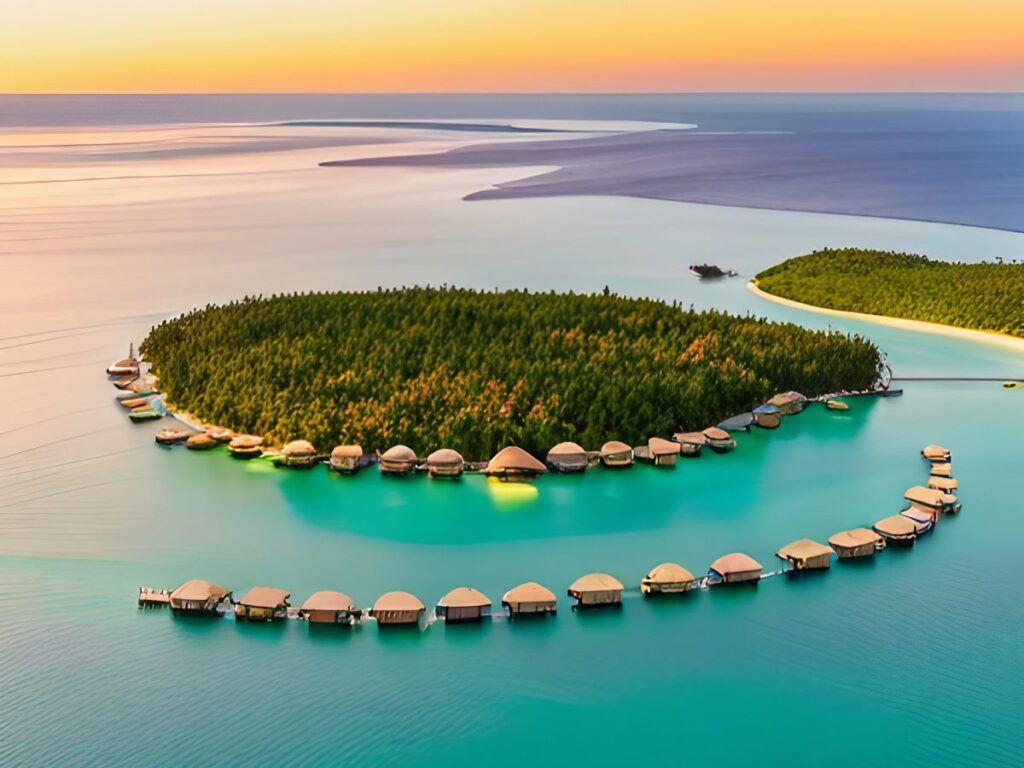
- Overwater Bungalow: A type of beach house common in Maldives and other tropical resorts.
- Palace Hotel: A luxury hotel in a city, often housed in a historic palace building.
- Parador: In Spain, a hotel created from a historic building, or in a significant location.
- Pension: A type of guesthouse or boarding house in many European countries.
- Penthouse Suite: The top floor, most extravagant, high-end suite of a hotel. It typically includes some sort of VIP treatment.
- Pet-Friendly: Accommodations that allow pets. It’s like a home away from home for your furry family members!
- Pop-up Hotel: Temporary accommodation which ‘pops up’ for events, festivals, or peak seasons.
- Poshtel: A portmanteau of ‘posh’ and ‘hostel’, indicating a more upmarket or luxurious hostel.
- Pousada: Accommodations in Portugal, ranging from luxury hotels to country inns.
- Quinta: In Portugal and Spanish-speaking countries, an estate or large farm.
- Rack Rate: Official posted rate for a hotel room, published airfares, or noncontracted car rental rates.
- Resort Fee: An additional charge by some hotels that covers the use of certain facilities. It’s worth checking what’s included before you book.
- Resort: A full-service lodging facility, intended primarily for vacationers and usually located in places frequented for relaxation or recreation.
- Riad: A traditional Moroccan house or palace with an interior garden or courtyard.
- Room Service: A service in a hotel that allows guests to order food and drinks to be brought to their room. It’s like having a private restaurant!
- Room Tax: State or local tax imposed on hotel room charges.
- Ryokan: A type of traditional Japanese inn that features tatami-matted rooms, communal baths, and other public areas where visitors may wear yukata.
- Safari Lodge: A type of tourist accommodation in the wilderness, usually in Africa.
- Self-Catering: Accommodation with cooking facilities that allow you to prepare your own meals. It’s your chance to play MasterChef on vacation!
- Serviced Apartment: A fully furnished apartment available for both short-term and long-term stays, providing hotel-like amenities such as room service.
- Shepherd’s Hut: A small, portable, wood-clad building used traditionally by shepherds, now often used as cozy holiday accommodation.
- Ski Chalet: A type of home or holiday accommodation that one might find in ski resorts.
- Skyscraper Hotel: Hotels that are located in a tall building that has over 40-50 floors.
- Sleeper Train: A train with sleeping facilities for passengers. It’s a hotel on wheels!
- Station Inn: A type of guest house located near a railway station, often catering to railroad enthusiasts.
- Staycation: A vacation spent at home or nearby, often involving day trips to local attractions.
- Suite: A set of connected rooms at a hotel. It’s a homey space for your family to relax and recharge!
- Tent: Portable shelter made of cloth, supported by one or more poles and stretched tight by cords or loops attached to pegs driven into the ground.
- Timeshare: A property with a divided form of ownership or use rights, owners purchase the right to use the same property for a specific week each year.
- Timeshare: A property with shared ownership, usually in a vacation destination. It’s like having a second home in your favorite holiday spot!
- Tipi: A cone-shaped tent traditionally made of animal skins or birch bark and popular with indigenous people of the Plains in the United States and Canada.
- Train Inn: Accommodation onboard a train, often on long-distance routes.
- Tree House: A house built in or around a tree. It’s a childhood dream come true!
- Treehouse: An accommodation unit constructed amongst the branches of a tree or trees.
- Trulli: Traditional Apulian dry stone huts with a conical roof, specific to Itria Valley, in the Murge area of the Italian region of Apulia.
- Turf House: A house type characterized by their turf construction, common in Iceland.
- Underground Hotel: A hotel built below ground level, often found in desert areas. It’s a unique and cool (literally!) experience!
- Underground Hotel: A hotel that’s built underground, often in regions where temperatures are extreme, like in Coober Pedy, Australia.
- Vacation Home: A fully furnished house rented for a temporary period. It’s your home away from home!
- Vacation Rental: Renting a furnished apartment, house, or villa on a temporary basis. It’s a homely option, especially for longer stays!
- Villa: A large, often luxurious, country house in its own grounds.
- Villa: A large, often luxurious, holiday home typically on lavish, large grounds.
- Water Bungalow: A type of lodge suspended over water, typically found in tropical resorts. It’s a magical over-the-water adventure!
- Windmill Stay: Accommodation within a converted windmill.
- Yurt: A portable, round tent covered with skins or felt and used as a dwelling by nomads in the steppes of Central Asia.
Bookings & Reservations
- Advance Purchase Rate: A discounted rate offered when a guest books and pays for their stay in advance.
- Airport Transfer: A service that takes you from the airport to your accommodation and vice versa. It’s like having a chauffeur for your suitcases!
- All-Inclusive: A rate that includes the room, meals, drinks, and often other services.
- American Plan (AP): A type of hotel rate that includes three meals a day along with the room charge.
- Baggage Check: Official receipt issued by a carrier for luggage.
- Baggage Tag: Personal identification that must be attached to luggage checked by an airline.
- Base Fare/Rate: Price of a travel service before taxes and add-on charges.
- Billing Instructions: Guidelines provided by a guest or a company regarding how the payment will be settled.
- Blackout Dates: Specific dates when special discounts or promotions do not apply, often during peak seasons or major holidays.
- Booking Confirmation: A document provided by the hotel after the end of the booking process, usually via email, confirming the details of the stay.
- Booking Pace: The speed at which reservations are made for a particular date.
- Booking Window: The period during which a guest can book rooms for a particular period of stay.
- Bumping: Practice of removing confirmed passengers from overbooked flights.
- Cancellation Fee: A fee charged when a guest cancels their booking after the cancellation deadline.
- Cancellation Policy: The rules a hotel applies if a guest cancels their booking.
- Check-In: The process of reporting one’s arrival at a hotel.
- Check-Out: The process of departing from the hotel and settling one’s account.
- Comp Room: Complimentary room provided free of charge.
- Confirmation: Reservation, acknowledged orally or in writing, verifying a booking has been accepted. Most confirmations are subject to certain conditions.
- Consolidator: Business that buys international tickets at deep discounts from airlines seating inventory that is expected to remain unsold. Consolidators resell tickets at a markup to travel agencies or travelers directly. (Travelers should understand terms for repayment are not favorable, should a consolidator cancel a flight. If you have not done business with a particular consolidator in the past, purchasing trip insurance may be a worthwhile option.
- Continental Plan (CP): A type of hotel rate that includes accommodation and continental breakfast.
- Corporate Rate: Discount rate available to traveling business men and women, customarily 10% below rack (standard) rates.
- CRS (Computerized Reservation System): Interactive electronic system linking individual travel agencies to a central, airline-owned computer.
- Cut-Off Date: The date when a hotel releases unsold rooms back to the general inventory.
- Day-Use Rate: A discounted rate for using the room for less than a full day.
- Deposit: An amount paid in advance to secure a reservation.
- Direct Booking: A booking made directly with the hotel, not through a third party.
- Discount Fares: Short-term promotional fares or other discounted fares of varied duration.
- Double Occupancy: A term used by accommodations to denote two guests sharing a room.
- Drop Off Charges: Fees assessed when a traveler picks up a rental car in one location and drops it off in another.
- Dynamic Pricing: Fluctuating prices based on current market demand.
- E-Ticket: This is a digital version of your paper ticket. It’s handy, eco-friendly, and hard to lose.
- Early Bird Rate: A lower rate offered for bookings made well in advance of the stay.
- Early Bird Special: Discounts offered when you book well in advance. The early bird really does catch the worm (or in this case, the bargain)!
- Early Check-In: When a guest checks into a hotel before the standard check-in time.
- European Plan (EP): A type of hotel rate that only includes the cost of the room.
- Extended Stay Hotel: A hotel designed for guests to stay for a long period. It’s like a home away from home!
- Extended Stay: Generally, a stay somewhere of seven or more nights.
- Extra Bed: An additional bed provided in a hotel room. It’s a flexible solution for families!
- Extra Person Charge: An additional charge for each person in a room over the standard occupancy level.
- Extra Person Fee: Some hotels charge an additional fee for more than a certain number of guests in a room. It’s something to keep in mind when budgeting!
- Family Room: A larger hotel room equipped to accommodate families. It’s your base camp for family fun!
- Family Suite: A larger hotel room designed to accommodate families. It typically has multiple rooms.
- Fare basis: Conditions, including service class and ticketing provisions, that determine a fare. Fare basis is designated by identifying letters and/or numbers on a ticket.
- Fee-Based Pricing: Compensation to a travel agency by corporate clients from commission revenues generated by the corporations business.
- Flat Rate: Specific room rate negotiated by a group and a hotel.
- Folio: A statement of all transactions that have occurred in a guest’s account during their stay.
- Folio: Written or electronic record of hotel guest’s account of financial transactions within the property.
- Fully Booked/ Sold Out: When the hotel has no rooms available for booking.
- Group Rate: A discounted rate offered to a large group of guests.
- Group Rate: Room rate charged by a hotel for a group of 10 or more guests.
- Guaranteed Reservation: Advance hotel booking where payment is guaranteed even if traveler does not arrive. Room will be held all night for a late-arriving guest.
- High Season: The busiest and most expensive time of year to visit a destination.
- Inclusive Tour: A tour program that includes a variety of features for one price such as accommodations, meals, sightseeing, and a guide.
- Interline Ticket: A ticket that allows you to change from one airline to another without having to check-in your luggage again. It’s a time-saver for families on the move!
- Inventory: The total number of rooms available for sale at a hotel.
- Late Check-Out: When a guest checks out of the hotel after the standard check-out time.
- Low Season: The least busy and least expensive time of year to visit a destination.
- Master Account: An account set up at the beginning of an event to which all charges approved by the group coordinator are posted.
- Meet and Greet: Service that meets and assists clients upon arrival in a city.
- Meeting Rate: Negotiated hotel rate offered to a meeting’s attendees.
- MICE: An acronym for Meetings, Incentives, Conferences, and Exhibitions.
- Minimum Stay Requirement: The minimum number of nights a guest must book for certain times of the year or room types.
- Modified American Plan (MAP): A type of hotel rate that includes accommodation, breakfast, and one major meal (either lunch or dinner).
- No Show: Passenger or hotel guest who fails to cancel a reservation not used.
- No-Show Fee: A fee charged when a guest does not arrive for their booked reservation without canceling.
- No-Show: A guest who made a room reservation but did not register or check-in.
- Non-Refundable Deposit: A down payment that cannot be returned if the guest cancels the booking.
- Non-Refundable: A term used for bookings that can’t be refunded if you cancel. It’s usually cheaper, but less flexible.
- Non-Smoking Room: A hotel room where smoking is not allowed. It’s a breath of fresh air for your family stay!
- Occupancy Rate: The percentage of all rental units (in a hotel, etc.) that are occupied or rented at a given time. It’s a good indicator of how busy your accommodation will be!
- Oceanfront Room: A hotel room that faces the ocean. It’s like having the beach on your doorstep!
- Off-Peak: Times outside of the most popular and busiest periods to visit a destination.
- OTA (Online Travel Agency): Companies that sell travel services online, such as flights, hotels, and car rentals. Example: Expedia and Booking.com are popular OTAs.
- Overbooking: Practice of confirming more seats or rooms than are available, in order to protect against no-shows. When more seats are sold than are available on a flight. But don’t worry – airlines usually offer compensation if you’re affected.
- Package Deal: A combination of services bundled together and sold for a single price, often including airfare, hotel, and car rental.
- Peak Season: The busiest time of the year for a hotel or destination when prices are usually the highest.
- Pet Deposit: An additional refundable fee charged by a hotel if a guest wishes to bring a pet, meant to cover potential damage caused by the pet.
- PMS (Property Management System): Software used by hotels and other property types to manage their business operations. Example: A hotel might use a PMS to manage reservations, guest check-in/check-out, room assignment, and billing.
- Prepaid Booking: A reservation that requires payment at the time of booking.
- Profile: Detailed information about a traveler’s personal preferences kept on file by a travel supplier.
- Rack Rate: The standard, non-discounted price that a hotel charges for a room.
- Rate Desk: Airline or travel agency department that constructs fares for complicated itineraries, usually international.
- Rate: The price of a hotel room for a particular length of time.
- Refundable Rate: A rate that allows the guest to receive a refund if they need to cancel their reservation within the hotel’s cancellation policy.
- Registration Card: A document that serves as a record of a guest’s stay containing details like name, arrival and departure dates, rate to be charged, etc.
- Reservation Date: The day on which the booking is made.
- Rollaway Bed: An extra bed provided by the hotel that can be folded and stored away.
- Room Block: A set of rooms reserved for a specific group of guests.
- Rooming List: A list provided by a group prior to arrival, outlining all guests and their room assignments.
- Run of House (ROH): A type of room rate that allows a hotel to assign any room category, based on availability at check-in.
- Seasonal Rate: Different prices for rooms depending on the time of year.
- Shoulder Season: The period between peak and off-peak seasons.
- Single Occupancy: A single individual occupying a room.
- Site Inspection: A visit to a hotel or venue by a meeting planner or client prior to booking an event.
- Space Only: A term used in exhibition industry where only floor space is rented to the exhibitor.
- Split Rate: When different nightly rates are applied within a single reservation.
- Stayover: The act of staying an additional night beyond the original booking.
- Turnaway: A situation when a hotel cannot accept any more bookings because it is fully booked.
- Twin Occupancy: Two individuals occupying a room with two separate beds.
- Understay: Leaving the hotel before the expected departure date.
- Upgrade: Moving a guest to a better, more expensive room category.
- Voucher: A document detailing services that have been paid in advance.
- Waitlist: A list that allows people to wait for availability in case of cancellations.
- Walk-In Rate: The rate charged to a guest who arrives without a reservation.
- Walk-In: A guest who arrives at a hotel without a reservation.
- Walk-In: A guest who arrives at a hotel without a reservation. It’s a spontaneous adventure – just make sure they have room!
- Wholesaler: A company that purchases rooms in bulk then sells them to travelers at a markup.
- Yield Management: A pricing strategy that allows the hotel to sell the right product to the right customer at the right time for the right price.

Transportation
- Aircraft Carrier: A large warship that serves as a seagoing airbase.
- Airfare: The cost of a flight ticket.
- Airport Code: Three-letter codes used to identify airports.
- Aisle Seat: A seat next to the aisle in an airplane, train, or other forms of public transportation.
- APEX (“Advance Purchase Excursion”) Fare: Generally the lowest and most heavily restricted airfare.
- ARC (Airlines Reporting Corp.): Airline-owned corporation which accredits travel agents and sets regulation governing airline-agency relations.
- Back-to-Back Ticketing: Booking two overlapping round trips with opposite origin and destination points, where both bookings meet restrictions required to obtain a discount fare (such as a Saturday-night stayover); then using one segment from each round trip for each direction of a single journey in order to get a lower overall fare.
- Baggage Claim: The area where passengers collect their checked-in luggage after a flight.
- Berth: A bed on a boat or train; also refers to the docking place for a ship.
- Bicycle Lane: A designated traffic lane for bicyclists.
- Black Box: A device that records flight data; used for incident investigations.
- Boarding Gate: The area in an airport where passengers board their flight.
- Boarding Pass: A document issued by an airline that gives a passenger permission to board the aircraft.
- Bullet Train: A high-speed train, especially the ones in Japan.
- Bus Stop: A designated place where buses stop for passengers to board or leave a bus.
- Cabin Crew: The staff working on an aircraft responsible for the safety and comfort of passengers.
- Cabin: Private room or compartment on a train or boat.
- Capacity Controlled: Limitation on number of airline seats, hotel rooms, or rental cars available under a particular rate or promotional offer.
- Car Class: Size and type of rental car. Classes differ from vendor to vendor, and are stated usually as economy, mid-size, full-size, luxury, and specialty.
- Car Rental Agreement: Contract between car rental vendor and customer.
- Car Rental: A company that rents automobiles for short periods.
- Cargo Ship: A ship designed to carry cargo from one place to another.
- Carriage: A vehicle, often horse-drawn, for transporting people.
- Carrier: Company that transports passengers or freight.
- Catamaran: A type of boat with two parallel hulls.
- Charter Flight: A flight rented for specific group travel or cargo, not part of regular airline routing.
- Charter: Aircraft, motorcoach, or other mode of transportation reserved entirely for use by a group.
- “City Pair: Origin and destination points of a flight segment. “
- Collision Damage Waiver (CDW): Daily insurance fee paid by a car renter to cover liability for accident damages to a rented car.
- Commuter Carrier: Regional airline operating from small locales to larger cities, often under an affiliate relationship with a major carrier.
- Commuter Train: A passenger train that runs between a city center and surrounding suburbs or small towns.
- Companion Fare: Promotional airfare whereby a second ticket may be purchased at a discount, provided two people are traveling together.
- Compass: A navigational instrument for finding directions.
- Conductor: A crew member who is responsible for operational and safety duties on a train.
- Connecting Flight: Flight on which passenger must change aircraft at some point, referred to as the Connecting Point.
- Convertible: A car with a roof that can be removed or folded down.
- Coupon: Part of an airline ticket. The flight coupon is surrendered by the passenger at check-in. Coupons contain the formal contract of carriage.
- Courtesy Vehicle: Van or bus which an off-airport vendor uses to pick up customers at the airport.
- Crosswalk: A designated point on the road where pedestrians can cross safely.
- Cruise Ship: A large ship designed for passengers on vacation.
- Deck: The floor of a ship, either indoor or outdoor.
- Denied Boarding Compensation: Compensation (money, free flight, or hotel accommodations) provided to an involuntarily bumped airline passenger with a confirmed reservation.
- Departure Time: The time at which a flight or other mode of transportation leaves. It’s the starting whistle for your journey!
- Detour: A longer, less direct way to get somewhere, often used when the usual route is blocked.
- Dinghy: A small inflatable rubber boat.
- Direct Flight: A flight that does not require passengers to change planes, but may make one or more stops en route.
- Disembarkation: The process of leaving a vehicle after a journey.
- Domestic Flight: A flight within the same country. It’s a great way to explore your own backyard!
- Economy Class: The most basic class of airplane seats, also known as coach class.
- Embarkation: The process of boarding a vehicle for a journey, such as a ship, airplane, or train.
- Express Bus: A bus service that travels directly to a destination without stopping. It’s the fast lane of road travel!
- Express Train: A train that only stops at major stations. It’s the fast lane of railway travel!
- Ferry: A boat service transporting people, and often vehicles, across a body of water.
- First Class: The highest quality and most expensive class of seats on a plane.
- Fuel Charge: Amount charged if car renter does not fill the car’s gas tank.
- Galley: The kitchen on a ship or airplane.
- Gate: Designated area in airport terminal where passengers for a specific flight board or deplane the aircraft.
- Hatchback: A car with a door across the full width at the back end that opens upward to provide easy access for loading.
- Highway: A main road intended for travel by the public between important cities and towns.
- Hovercraft: A vehicle that travels over land or water on a cushion of air.
- Hub: Airport at which an airline has major operations and connecting flights to smaller destinations.
- In-flight Entertainment: The entertainment available to aircraft passengers during a flight.
- Interchange: A road junction designed to reroute traffic without requiring any vehicles to stop.
- Jet Bridge: The corridor that connects the airport gate to the airplane. It’s the final step before your family adventure takes off!
- Jet Lag: Physical distress due to travelling across several time zones quickly.
- Joint Fare: Special fare for travel on two or more airlines to a destination.
- Kiosk Check-In: Checking in for your flight at a self-service machine at the airport. It’s a timesaver, giving you more time for pre-flight ice cream!
- Layover: A break between parts of a journey when traveling by air. Example: Having a 5-hour layover in New York before flying to London.
- Layover: A period of rest or waiting before a further stage in a journey. Long layovers can be the perfect time to explore an extra city or catch up on rest!
- Liability Coverage: Insurance protection against injury and damage claims by third parties, available as option for car rentals.
- Lifeboat: A small boat carried by ships for emergency use.
- Light Rail: A form of urban rail public transportation.
- Limited Availability: Limited number of reservations accepted for a certain advertised rate or special offer.
- Limousine: A luxury vehicle driven by a chauffeur with a partition between the driver’s compartment and the passenger’s compartment.
- Locomotive: A powered rail vehicle used for pulling trains.
- Loss Damage Waiver (LDW): Variation of Collision Damage Waiver employed by some car rental vendors. Renters are advised to buy LDW to avoid liability for collision, theft, vandalism, loss of car, and other noncollision damages.
- Low-Cost Carrier: An airline that offers cheap flights with fewer amenities. It’s a budget-friendly way to get your family from A to B!
- Lowest Fare Guarantee: Travel agency’s promise to provide clients the lowest fare available when reservation is confirmed.
- Lowest Logical Airfare: Lowest airfare found within the parameters of a corporation’s travel policy.
- Luggage Allowance: The amount of luggage you’re allowed to bring on a flight. It’s a puzzle getting everything to fit, but oh-so satisfying when it does!
- Marina: A dock or harbor for yachts and small boats.
- Meeting Fare: Negotiated airline discounts, typically for 10 or more persons traveling to the same event.
- Mileage Allowance/Mileage Cap: Number of miles a rented car is driven beyond the mileage allowance.
- Mileage Charge: Charge assessed for each mile a rental car is driven beyond an established threshold.
- Monorail: A railway system in which the track consists of a single rail.
- Motorcoach: A large, comfortable bus used for long-distance travel.
- Navigation: The process of monitoring and controlling the movement of a craft or vehicle from one place to another.
- Net Fare or Net Rate: Price or fare for a travel service, less an agents commission and without tax.
- Non-Stop Flight: A flight that goes directly from one city to another without any stops. It’s the quickest route to your destination!
- Off-Ramp: A deceleration lane that allows vehicles to leave a highway and join a different road.
- Open Ticket: Ticket that is valid for transportation between certain points but indicates no specific reservation.
- Pedestrian: A person traveling on foot, whether walking or running.
- Platform: An area at a railway station where passengers board and alight from trains.
- Port of Call: An intermediate stop for a ship on its sailing itinerary.
- Prepaid Ticket: Ticketing method in which a person or company purchases an airline ticket in one location for a traveler in another. The traveler picks up the prepaid ticket from the airline ticket counter.
- Quiet Car: A train car where noise is kept to a minimum. It’s a peaceful haven for families needing a break from holiday excitement!
- Red-Eye Flight: A flight departing late at night and arriving early the next morning.
- Rickshaw: A light, two-wheeled hooded vehicle drawn by one or more people, used chiefly in Asian countries.
- Roadway: The portion of a road intended for vehicles, as distinguished from a sidewalk, bike path, etc.
- Round Trip: A ticket that includes both going to a destination and returning. It’s like a boomerang, but for your vacation!
- Roundabout: A type of circular intersection in which traffic flows continuously in one direction around a central island.
- RV (Recreational Vehicle): A motor vehicle or trailer equipped with living space and amenities found in a home.
- Sedan: A passenger car in a three-box configuration with separate compartments for engine, passenger, and cargo.
- Segment: Leg or identifiable portion of a route traveled, usually stated in terms of originating and terminating cities.
- Segway: A two-wheeled self-balancing personal transporter.
- Sextant: An instrument used to measure the angle between any two visible objects, used primarily in navigation.
- Sleeper Car: A railway car with sleeping facilities for passengers.
- Split Ticketing: Issuing two one-way tickets instead of a round-trip ticket, usually for purpose of obtaining a lower fare.
- Standby: Class of air passengers who hold tickets that do not allow for advanced reservations (standby fares), or are waiting for available seats.
- Submarine: A watercraft capable of independent operation underwater.
- Supersaver: Low discount airfare available with heavy restrictions.
- SUV (Sports Utility Vehicle): A rugged automotive vehicle similar to a station wagon but built on a light-truck chassis.
- Taxi Rank: A designated area where taxis park to wait for passengers.
- Terminal: The area in an airport where passengers depart or arrive.
- Traffic Light: A set of automatically operated colored lights controlling traffic at road intersections and crosswalks.
- Tram: A trolley car that runs on tracks along public streets.
- Tuk-tuk: A motorized development of the traditional pulled rickshaw or cycle rickshaw, common in many Asian countries.
- Turbulence: Sudden, violent movements of air or water that can affect an airplane or ship.
- U-Turn: A 180-degree turn to reverse the direction of travel.
- Unaccompanied Minor: A child traveling without an adult. Airlines provide special services to ensure their safety and comfort.
- Underage Passenger: A traveler who is under the legal age. Different airlines have different rules, so it’s important to check!
- Unlimited Mileage: Ability to drive a rented car an unlimited number of miles without paying an additional mileage charge.
- Vanpool: A group of people who commute together in a van.
- Waitlist: List of travelers waiting for people to cancel reservations for a flight that is sold out.
- Window of Convenience: Two hours on either side of ideal departure or arrival time.
- Window Seat: The seat next to the window on a plane or a train. It’s the best spot for daydreamers and cloud watchers!
- Yacht Charter: Renting a yacht for a sailing vacation. It’s a luxurious way to explore coastal destinations!
- Yacht: A medium-sized sailboat or ship for cruising or racing.
- Yield: To allow other road users to go first, often marked by a sign at intersections.
- Youth Fare: Discounted rates for young people on transport and attractions. It’s like a VIP pass for your kids, but cheaper!
- Zebra Crossing: A type of pedestrian crossing marked by black and white stripes.
Geography & Destinations
- Altitude Sickness (Acute Mountain Sickness): An illness that can affect mountain climbers, hikers, skiers, or travelers at high altitude, typically above 8,000 feet (2,400 meters).
- Archipelago: A group or chain of islands clustered together in a sea or ocean. Example: The Maldives is a famous archipelago located in the Indian Ocean.
- Atoll: A ring-shaped coral reef, island, or series of islets.
- Bay: A body of water partially enclosed by land but with a wide mouth, affording access to the sea.
- Biosphere Reserve: An ecosystem with plants and animals of unusual scientific and natural interest. It is a label given by UNESCO to help protect the sites.
- Canyon: A deep, narrow valley with steep sides, often with a stream flowing through it.
- Cape: A point or extension of land jutting out into water as a peninsula or a projecting point.
- Cliff: A high, steep face of rock or earth.
- Conservation Area: A location which is afforded protection to enhance and preserve its natural, cultural or historical value.
- Continent: One of the world’s main continuous expanses of land (Africa, Antarctica, Asia, Australia, Europe, North America, South America).
- Coral Reef: A type of marine ecosystem, known for its rich biodiversity.
- Cultural Landscape: A geographic area, including both cultural and natural resources and the wildlife or domestic animals therein, associated with a historic event, activity, or person or exhibiting other cultural or aesthetic values.
- Delta: Landform at the mouth of a river created by sediment deposits.
- Desert: A barren area of landscape where little precipitation occurs.
- Ecosystem: A biological community of interacting organisms and their physical environment.
- Elevation: The height above a geographical point, such as sea level.
- Endemic Species: Species that are native to or restricted to a certain country, region or area.
- Equator: An imaginary line drawn around the earth equally distant from both poles, dividing the earth into the northern and southern hemisphere and constituting the parallel of latitude 0°.
- Estuary: The tidal mouth of a large river, where it meets the sea.
- Fauna: The animal life of a particular region, habitat, or geological period.
- Fjord: A long, narrow, deep inlet of the sea between high cliffs, typically formed by submergence of a glaciated valley.
- Flora: The plant life of a particular region, habitat, or geological period.
- Geocache: A hidden item that GPS users seek as part of a game.
- Ghost Town: A deserted town with few or no remaining inhabitants.
- Glacier: A slowly moving mass of ice formed by accumulation and compaction of snow.
- Gulf: A deep inlet of the sea almost surrounded by land, with a narrow mouth.
- Highlands: An area of high or mountainous land.
- Historic Site: An official location where pieces of political, military, cultural, or social history have been preserved.
- Hotspot (Biodiversity Hotspot): A biogeographic region with a significant reservoir of biodiversity that is under threat from humans.
- Indigenous Territory: A region inhabited by indigenous peoples, who are groups protected in international or national legislation as having a set of specific rights based on their historical ties to a particular territory.
- International Date Line: An imaginary line on the Earth’s surface, mostly following the 180° longitude, where the new day starts.
- Island: A piece of land surrounded by water.
- Isthmus: A narrow strip of land connecting two larger bodies of land, bordered by water on both sides. Example: Panama is an isthmus connecting North and South America.
- Lagoon: A stretch of salt water separated from the sea by a low sandbank or coral reef.
- Lake: A large body of water surrounded by land.
- Landlocked: A country or region that is encircled by land, with no access to the open sea.
- Landmark: An object or feature of a landscape or town that is easily seen and recognized, especially one of historical or cultural interest. Sometimes, it can be seen easily from a distance.
- Latitude: The measurement of distance north or south of the Equator.
- Longitude: The measurement of distance east or west of the Prime Meridian.
- Megacity: A very large city, typically with a population of over 10 million people.
- Mesa: An isolated flat-topped hill with steep sides.
- Metropolis: A very large and densely populated city.
- Migration (Animal Migration): The regular seasonal movement, often north and south along a flyway, between breeding and wintering grounds by animals.
- Mountain Range: A series of connected mountains.
- National Park: A scenic or historically important area of countryside protected by the federal government for the enjoyment of the general public or the preservation of wildlife.
- Oasis: A fertile spot in a desert where water is found.
- Ocean: The vast body of salt water that covers almost three fourths of the earth’s surface.
- Off the Beaten Path: Referring to places, attractions, and experiences that are unique, less crowded and often unknown to most tourists.
- Peninsula: A piece of land almost surrounded by water or projecting out into a body of water.
- Plateau: An area of relatively level high ground.
- Polar Circle: Either of the two circles of latitude 66°33′39″ north (Arctic Circle) and south (Antarctic Circle) of the Equator.
- Prairie: A large open area of grassland.
- Prime Meridian: The meridian (line of longitude) that runs from the North Pole to the South Pole through Greenwich, London, UK. It is considered as 0 degrees longitude.
- Protected Area: A clearly defined geographical space, recognized, dedicated, and managed, through legal or other effective means, to achieve the long-term conservation of nature with associated ecosystem services and cultural values.
- Rainforest: A luxuriant, dense forest rich in biodiversity, found typically in tropical areas with consistently heavy rainfall.
- Reef: A ridge of jagged rock, coral, or sand just above or below the surface of the sea.
- Resort: A place that is a popular destination for vacations or recreation, or which is frequented for a particular purpose.
- River: A large natural stream of water flowing in a channel to the sea, a lake, or another river.
- Rural: In, relating to, or characteristic of the countryside rather than the town.
- Savannah: A grassy plain in tropical and subtropical regions, with few trees.
- Sea: The expanse of salt water that covers most of the earth’s surface and surrounds its landmasses.
- Strait: A narrow passage of water connecting two seas or two other large areas of water.
- Swamp: An area of low-lying, uncultivated ground where water collects.
- Time Zone: A region of the globe that observes a uniform standard time for legal, commercial, and social purposes.
- Topography: The arrangement of the natural and artificial physical features of an area.
- Tourist Trap: A place that has been created to attract tourists and their money.
- Tropic of Cancer: An imaginary line encircling the earth at the parallel of 23 degrees 30 minutes north latitude, the most northerly point at which the sun can appear directly overhead at noon.
- Tropic of Capricorn: An imaginary line encircling the earth at the parallel of 23 degrees 30 minutes south latitude, the most southerly point at which the sun can appear directly overhead at noon.
- Tundra: A vast, flat, treeless Arctic region where the subsoil is permanently frozen.
- Urban: In, relating to, or characteristic of a city or town.
- Valley: A low area of land between hills or mountains, typically with a river or stream flowing through it.
- Volcano: A mountain or hill, having a crater or vent through which lava, rock fragments, hot vapor, and gas are being or have been erupted from the earth’s crust.
- Waterfall: A cascade of water falling from a height, often forming a pool at its base.
- Wetland: Land consisting of marshes or swamps; saturated land.
- Wilderness: An uncultivated, uninhabited, and inhospitable region.
- World Heritage Site: A landmark or area with legal protection by an international convention administered by the United Nations Educational, Scientific and Cultural Organization (UNESCO).

Dining & Cuisine
- À la Carte: Menu items priced and ordered separately.
- Al Fresco: Dining outside, typically in a restaurant’s outdoor seating area.
- Amuse-Bouche: A bite-sized appetizer served complimentary at some restaurants.
- Bento: A single-portion take-out or home-packed meal common in Japanese cuisine.
- Bistro: A small, casual restaurant often serving simple, hearty meals.
- Brunch: A meal eaten in the late morning, combining breakfast and lunch.
- Buffet: A meal where guests serve themselves from a variety of dishes set out on a table or sideboard.
- Cafeteria: A restaurant in which customers select their food at a counter then carry it on a tray to a table.
- Chef’s Table: A table located in the kitchen of a restaurant, reserved for VIPs and special guests.
- Chopsticks: A pair of small tapered sticks used for eating East Asian food.
- Communal Dining: Dining with large groups on shared tables.
- Crudités: A French appetizer consisting of sliced or whole raw vegetables which are typically dipped in a vinaigrette or other dipping sauce.
- Cuisine: A style or method of cooking, especially as characteristic of a particular country, region, or establishment.
- Degustation: A culinary event presenting a series of small, intricate dishes.
- Deli (Delicatessen): A store selling cooked meats, cheeses, and unusual or foreign prepared foods.
- Dessert: The course that concludes a meal.
- Dim Sum: A style of Chinese cuisine involving small bite-sized portions of food served in small steamer baskets or on small plates.
- Diner: A small, inexpensive restaurant with a long counter and booths.
- Entrée: The main course of a meal.
- Espresso: A strong, concentrated form of coffee, often served in small amounts.
- Ethnic Food: Traditional food that originates from a specific region or country.
- Family Style: A type of dining where food is served on large platters for communal sharing.
- Farm-to-Table: A movement focused on serving local food through direct acquisition from the producer.
- Fast Casual: A style of dining that does not offer full table service, but promises higher quality food than fast food.
- Flatware: Eating utensils like forks, knives, and spoons.
- Food Court: An area in a shopping center where fast-food outlets are located.
- Food Truck: A large vehicle equipped to cook and sell food.
- Fusion Cuisine: Cuisine that combines elements of different culinary traditions.
- Gastropub: A bar that serves high-quality meals.
- Gourmet: Fine food or drink that is high in quality, flavor, or sophistication.
- Grill: A restaurant that serves grilled food, such as steak and chicken.
- Halal: Foods that are permissible according to Islamic law. It’s important for Muslim travelers to know! When traveling in Muslim countries, vacation rentals may not permit cooking of non-Halal foods in their kitchens. Read the fine print before booking!
- Happy Hour: A period of the day when drinks are sold at reduced prices in a bar or restaurant. It’s a fun way to try new beverages!
- Haute Cuisine: An elaborate and refined system of food preparation.
- High Tea: A meal eaten in the late afternoon or early evening, typically consisting of a cooked dish, bread and butter, and tea.
- Hors d’oeuvre: A small dish served before or at the beginning of a meal.
- Izakaya: A type of informal Japanese pub, casual places for after-work drinking and eating.
- Jambalaya: A Louisiana-origin dish of meat and vegetables mixed with rice.
- Kebab: A dish of pieces of meat, fish, or vegetables roasted or grilled on a skewer or spit.
- Kosher: Food that satisfies the requirements of Jewish dietary law.
- Locavore: A person who makes an effort to eat food that is grown, raised, or produced locally.
- Meal Prep: The act of preparing meals in advance for convenience or portion control.
- Michelin Star: A rating system used by the red Michelin Guide to grade restaurants on their quality.
- Molecular Gastronomy: A subdiscipline of food science that seeks to investigate the physical and chemical transformations of ingredients that occur while cooking.
- Nouvelle Cuisine: A style of cooking that emphasizes lighter dishes with fresh, high-quality ingredients.
- Omakase: A Japanese phrase, used when ordering sushi in restaurants, that means “I’ll leave it up to you” (from Japanese “to entrust”).
- Omnivore: A person or animal that eats both plants and meat.
- Organic Food: Food produced without the use of chemical fertilizers, pesticides, or other artificial agents.
- Paella: A Spanish rice dish originally from Valencia.
- Pescatarian: A person who does not eat meat but does eat fish.
- Pop-Up Restaurant: A temporary restaurant, often operating from a private home, former factory, or similar and during a special event.
- Prix Fixe: A type of menu featuring a pre-set list of dishes at a fixed price.
- Quick Service Restaurant (QSR): Also known as fast-food restaurants, these establishments serve food quickly and in a minimal service format. It’s a speedy solution for hungry tummies!
- Ramen: A Japanese dish with Chinese origins, it consists of Chinese-style wheat noodles served in a meat or fish-based broth, often flavored with soy sauce or miso, and uses toppings such as sliced pork, dried seaweed, menma, and green onions.
- Raw Foodism: The dietary practice of eating only uncooked, unprocessed foods.
- Seafood: Sea animals served as food, like fish and shellfish.
- Sommelier: A wine steward.
- Street Food: Ready-to-eat food or drink sold by a vendor in a street or other public place.
- Takeout: Food prepared in a restaurant and eaten off the premises. It’s also called Take Away or Carry Out.
- Tapas: A Spanish tradition of serving a small dish of food with a drink.
- Teppanyaki: A style of Japanese cuisine that uses an iron griddle to cook food.
- Umami: One of the five basic tastes, it’s described as savory and is characteristic of broths and cooked meats. It’s the ‘je ne sais quoi’ of flavor!
- Vegan: A diet excluding all animal products.
- Vegetarian: A diet excluding meat.
- Vineyard: A plantation of grape-bearing vines, grown mainly for winemaking.
- Viticulture: The science, production, and study of grapes which deals with the series of events that occur in the vineyard.
- Waitstaff: The staff of a restaurant or bar who wait on tables.
- Wine Pairing: The process of pairing wine with food to enhance the dining experience.
- Wok: A versatile round-bottomed cooking pot, originating from China.
- Xacuti: A curry prepared in India from chicken or lamb.
- XO Sauce: A spicy, seafood-based sauce from Guangdong, China, often used in southern Chinese cooking.
- Yakitori: A Japanese type of skewered chicken.
- Yum Cha: A Chinese style morning or afternoon meal featuring Chinese tea and dim sum dishes.
- Zero-Kilometer Meal: A meal in which ingredients are all sourced within a very small radius, promoting local food consumption.
- Zest: A food ingredient that is prepared by scraping or cutting from the outer, colorful skin of unwaxed citrus fruits such as lemon, orange, citron, and lime.
- Zomato: An Indian restaurant search and discovery service.

Travel Lingo
- Amenities: These are the facilities and services provided by a travel supplier, hotel, or resort. It’s like the icing on the cake of your stay!
- Backpacker: A person who travels with their belongings in a backpack. Example: Many young people become backpackers to explore the world inexpensively.
- Beachcombing: The act of searching for valuable or interesting items on the beach. It’s a treasure hunt by the sea!
- Bucket List: A list of experiences or destinations you want to visit in your lifetime. Maybe it’s seeing the pyramids in Egypt or going on a safari in Africa!
- City Break: A short holiday spent in a city.
- City Tour: A guided tour around a city visiting its highlights. It’s a crash course in culture, history, and local life!
- Commission: Percentage of sale price that vendors pay to travel agencies for selling their services.
- CTC (Certified Travel Counselor): Designation of professional competence attesting to a travel agent’s successful completion of a study program developed and administered by the Institute of Certified Travel Agents.
- Day Trip: This is a journey or excursion completed in one day. It’s a mini-adventure without needing to pack a suitcase!
- Day Tripper: A person who visits a tourist destination or site from his/her home and returns home on the same day.
- Digital Nomad: Individuals who leverage technology to work remotely and live an independent and nomadic lifestyle.
- Diving: The sport or activity of swimming underwater with special breathing equipment. It’s like exploring another world beneath the waves!
- Duty-Free: Goods that are exempt from national and/or local taxes and duties, often found in international airports, ports, or on board international flights.
- Expat (Expatriate): A person who lives outside their native country.
- Flashpacking: A style of travel that is more comfortable and luxurious than backpacking but still budget-conscious.
- Frequent Flyer: A person who travels frequently by air, often for business purposes.
- Gratuity: Gift, usually money, given in return for service.
- Green Travel: Traveling in ways that promote environmental sustainability.
- Guided Tour: A tour led by a professional guide who provides detailed information about the destination. It’s a great way to learn while exploring!
- Jet Lag: A temporary disruption of the body’s normal biological rhythms after high-speed air travel across several time zones. It’s like a time travel hangover!
- Jetsetter: A person who travels frequently. With all these trips, you’re well on your way to becoming a jetsetter!
- Journey: The act of traveling from one place to another, or a long trip. Every journey brings new experiences and memories!
- Management Report: Data summary (from travel agencies, travel suppliers, and/or credit-card vendors) documenting usage patterns for air travel, hotel stays, or car rental.
- Non-Stop Flight: A flight by an aircraft with no intermediate stops.
- Off the Beaten Path: Visiting less-known or touristy places. These hidden gems can offer unique experiences!
- Overlanding: Self-reliant overland travel to remote destinations where the journey is the principal goal.
- Override: Additional commission paid to agents as a bonus for productivity and/or volume.
- Packing List: A list of items to pack for your trip. It’s a lifesaver for organized families (and those who aspire to be)!
- Provenance: The place of origin or earliest known history of something, often used in the context of food and drink.
- Revenue Sharing: Travel agency rebate of commission revenue received on a corporation’s bookings.
- Road Warrior: A person who travels frequently as part of their job and does much work while traveling.
- Sabbatical: A period of paid leave granted to a university teacher or other worker for study or travel, traditionally one year for every seven years worked.
- Self-Guided Tour: A tour you do on your own, often with a map or audio guide. It’s a flexible way to explore at your own pace!
- Sightseeing: Visiting and seeing attractions and places of interest. It’s like a scavenger hunt, but with landmarks instead of treasure!
- Soft-Dollar Savings: Savings on travel realized through cost avoidance, such as rate discounts or free upgrades.
- Surcharge: Assessment by vendor or governmental entity in addition to published price or contracted rate.
- Third Culture Kid (TCK): A child that is raised outside of the culture of their birth and outside the culture in which their parents were raised.
- Tip: An amount of money given to someone as a reward for their services, such as waiters, bellhops, etc. It’s a small way to show big appreciation!
- Travel Advisory: Official advice provided by a government to its citizens regarding the safety of travel to specific foreign countries or regions.
- Travel Hacking: The practice of collecting frequent flier points and miles to get free flights, hotels, tours, and more.
- Travel Insurance: Insurance that is intended to cover medical expenses, trip cancellation, lost luggage, flight accident and other losses incurred while traveling.
- Travelogue: A film or book about someone’s travel experiences. It’s a way to share your adventures and inspire others (and yourselves) for future trips!
- Travelogue: A movie, book, or illustrated lecture about the places visited by or experiences of a traveler.
- Umbrella Rate: A pricing method that includes a bundle of services under one price. It’s an easy and often cheaper way to book your trip!
- UNESCO: Acronym for the United Nations Educational, Scientific and Cultural Organization. It is a specialized agency of the United Nations aimed at promoting world peace and security through international cooperation in education, the sciences, and culture.
- Upscale Dining: High-end restaurants that focus on quality ingredients, exceptional service, and beautiful presentation. It’s a special treat for special occasions!
- Vineyard Tour: A guided tour of a place where wine grapes are grown. It’s a delightful experience for wine lovers (and grape juice for the kids)!
- Visa: A conditional authorization granted by a country to a foreigner, allowing them to enter, remain within, or to leave that country.
- Walking Tour: A guided tour of a city or attraction done on foot. It’s a healthy and immersive way to explore!
- Wanderlust: A strong desire or impulse to travel and explore the world.
- Water Park: An amusement park featuring water play areas like swimming pools, water slides, and splash pads. It’s a splashtastic day out for the whole family!
- Wildlife Safari: A trip to observe wild animals in their natural habitat. It’s like stepping into a nature documentary!
- Workation: A working vacation where one combines work with relaxation or vacation.
- Worldschooling: Also known as “world schooling”, is an educational movement and lifestyle that emphasizes learning through travel and real-world experiences.
- Xenophile: A person who is attracted to foreign peoples, cultures, or customs. It’s a love for the world that inspires us to travel!
- Xenophobia: Fear or dislike of people from other countries. As travelers, it’s important to promote understanding and respect for all cultures.