

Our Offbeat Life contains affiliate links & participates in the Amazon Services LLC Associates Program & other affiliate programs. If you buy something using an Amazon or other link, we may receive a commission at no extra cost to you. See our Disclosure for more details.
Popular Animals in Langkawi + Where to See Them (2024)

Want to see animals in Langkawi during your next trip there? You’ve come to the right place!
I lived in Malaysia with my family for almost 18 months, and as digital nomads, we spent a lot of time exploring the country.
Langkawi is known for its stunning landscapes and beautiful oceans, but it’s also home to a plethora of remarkable wildlife. It’s generally thought to have more wildlife diversity than Penang.
Langkawi island’s wildlife is safeguarded by its status as Southeast Asia’s only UNESCO Geopark.
This title grants the entire island chain a special designation, labeling it as “a territory encompassing one or more sites of scientific importance, not just for geological reasons but also due to its archaeological, ecological and cultural value.”
So what exactly can you see? And where can you see them? Keep reading to find out!
Coolest Animals in Langkawi
From birds and butterflies to primates and mammals, here are some of the coolest animals that you can spot in Langkawi.
Primates in Langkawi
There are some truly unique primates in this island chain. And there aren’t just monkeys in Langkawi either!
Crab-eating Macaque or Long-tailed Macaque
In spite of their common name, crab-eating macaques don’t actually consume crabs! Instead, these primates feed on vegetation and other vertebrates.
They inhabit a range of ecosystems from coastal lowland forests to swamps.
In the female population, there is an established hierarchy that determines social status while males typically leave the group they were born into at puberty.

Flying Lemur or Colugo
Gliding rather than flying, Flying Lemurs are adept climbers and able to jump from tree to tree with ease.
Nocturnal in nature, these animals feed off of fruits and flowers found in the treetops. Generally living alone or in small groups, they prove helpless on land due to their lack of mobility.
Fun Fact: The only other species of Colugos live in the Philippines!
Dusky Leaf Langur or Spectacled Langur
Easily distinguishable by their signature white eye rings, these adorable, languid creatures have a permanently startled look.
A dark grey fur coat with orange offspring make them unidentifiable to color-blind predators.
During the day, they are mostly active in treetop branches; however, at nightfall they descend to clear forest grounds and munch on tender leaf shoots.

Slow Loris
Slow lorises are a curious nocturnal species with large eyes as well as arms and legs of equal length to form a powerful pincer grip.
Their trunk is long and flexible, which allows them to twist their bodies onto neighboring branches.
This omnivorous creature moves slowly while remaining almost silent – retreating into stillness when feeling threatened. They remind me of the sloths we saw in Costa Rica.

Other Mammals in Langkawi
There are some really unique mammal animals in Langkawi, that you may see if you’re really lucky!
Asian Elephants
Langkawi is home to a small population of Asian Elephants, called Lasah, found mainly in the northern parts of the island.
While these gentle giants can occasionally be viewed roaming through the forests, they tend to avoid human contact and will retreat at the sight of visitors.
Do NOT ride elephants, in Langkawi or elsewhere. They are beaten to have their spirits broken in order to allow humans to ride them. It’s an unethical animal tourism practice.
Civet cats
These solitary, nocturnal mammals are found in lowland forests throughout the region. They feed mainly on fruits and small vertebrates like frogs, lizards, and birds.
While they often seek shelter in hollow tree trunks or abandoned nests, civet cats can also be seen during the day, especially in the early morning.

Giant Squirrels or Malayan Giant Flying Squirrel
These animals are mainly found in undisturbed forests and are active at night. They have distinctive black and white markings that make them easy to spot in the trees.
The giant squirrels are arboreal, meaning they live in the treetops, and are capable of gliding long distances.
Langkawi Reptiles
There are also a number of reptiles that inhabit the island, including turtles and lizards. The Green Turtle is one of the most commonly seen species in Langkawi’s waters.
Here are some other reptiles you may get to see in Langkawi.
Monitor Lizards
These are the largest species of lizards found in Langkawi. They mainly inhabit rivers and lakes, feeding on a wide variety of prey including fish, crabs and other small animals.
Monitor lizards can grow up to 1m long and are known to be quite aggressive when provoked. Kind of like the Komodo Dragons in Indonesia. If you see one, keep your distance.

Common Boas or Reticulated Pythons
These snakes are commonly found in Langkawi’s jungles, often near rivers and streams. They are large, non-venomous snakes that feed mainly on birds, small mammals and other reptiles.
They can grow up to 3m and are easily identifiable by their distinctive pattern of scales.
Salt Water Crocodiles
These massive reptiles inhabit rivers and estuaries across Langkawi, feeding mainly on fish, crabs, and birds.
They are known to be inquisitive and will often approach humans if food is offered. Don’t do this, though!
Saltwater crocodiles can grow up to 5m in length and should be avoided at all costs!

Malayan Pit Viper
These venomous snakes can be found in various habitats throughout Langkawi. Langkawi’s mangroves are home to a wide variety of species, including vipers.
They are usually nocturnal and spend most of their time hidden in the underbrush. Their colors range from green to gray and they can grow up to 70cm in length.
Buttterflies in Langkawi
Malaysia is proud to host an astounding number of butterfly species, with a grand total of 1008. Of these, Langkawi alone has recorded more than 500!
As you wander through the island’s rainforests, be sure to keep an eye out for these colorful creatures as they flit from flower to flower.
Common Jay
The common jay is a bright blue and white butterfly species native to Malaysia. They feed mainly on fruits and can often be seen in large flocks in the forest.
They are also highly adaptive, often making their home in human-made habitats or even urban areas.
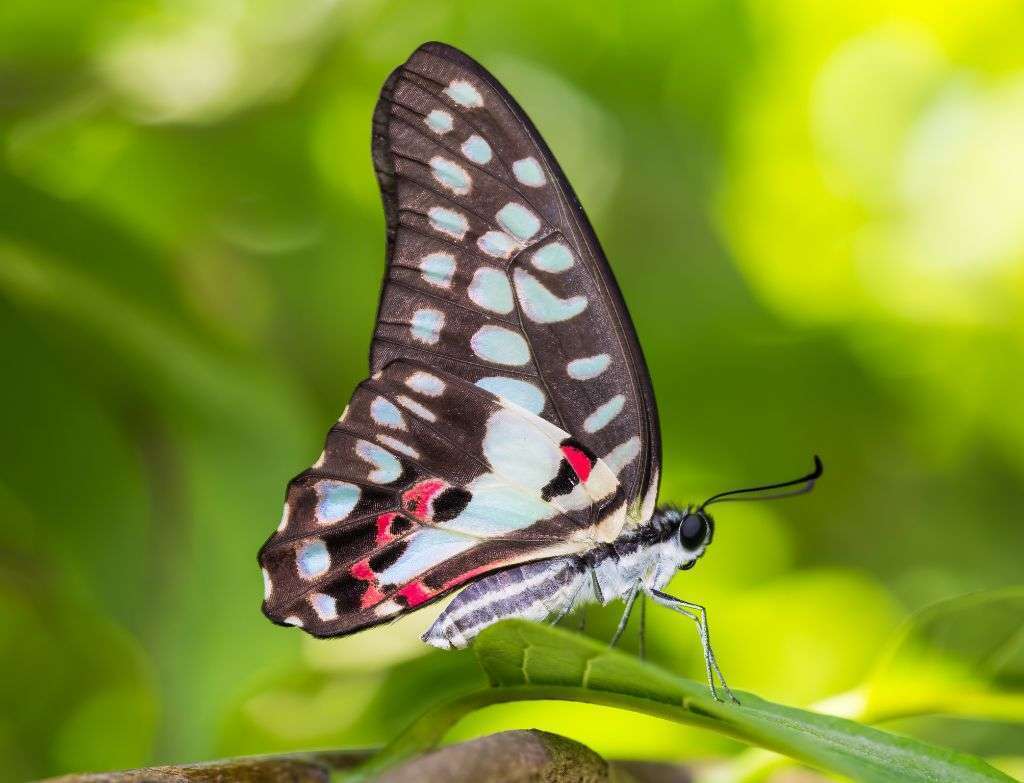
Scarlet Judy
The Scarlet Judy is an unmistakable species, with its bright red wings and black markings. It can be found in the island’s forests as well as mangroves and other habitats.
They feed mainly on nectar and pollen from a variety of flowers. Plus, their eye-catching color makes them a great addition to any nature-lover’s photograph collection.
Peacock Pansy
The peacock pansy is one of the most recognizable butterfly species in Langkawi, with its distinctive eyespot pattern on the underside of its wings.
It is a common sight in the island’s forests, and can often be seen fluttering around its favorite flowers.

Orange Awl
The orange awl is an unmistakable species, with its bright orange wings and black markings. It can be found in the island’s forests, and also mangroves.
It feeds mainly on nectar and pollen from a variety of flowers, as well as other insects. It is a very active species, often flitting between trees.
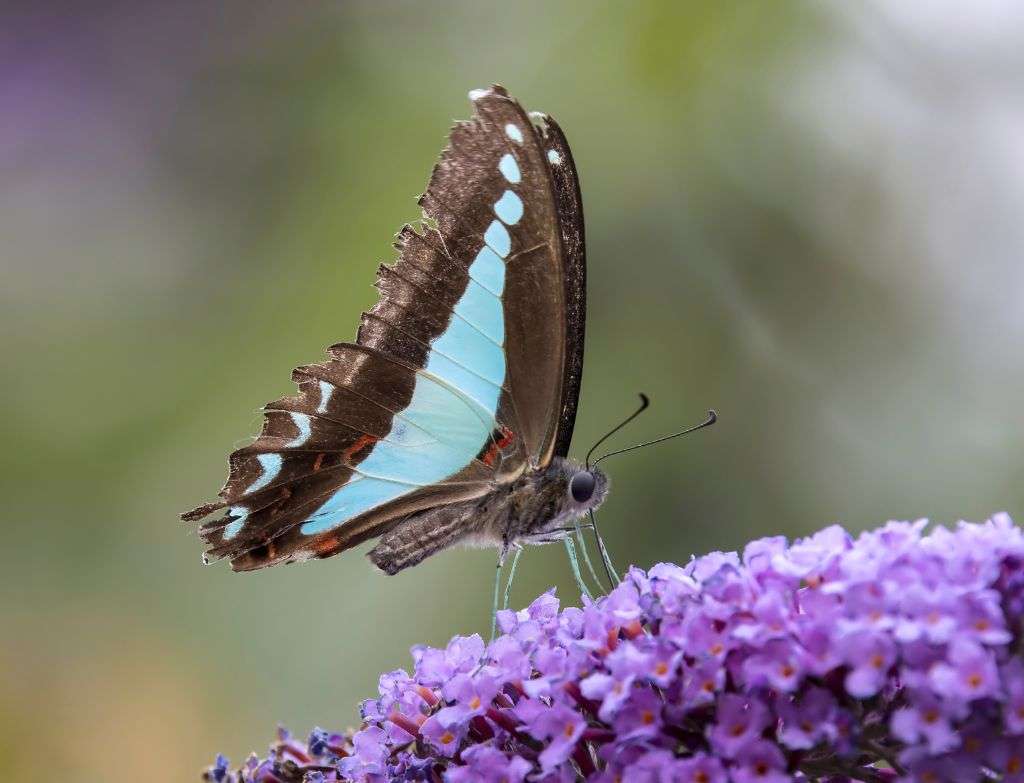
Blue Triangle
The blue triangle butterfly is a vibrant species, with its striking turquoise wings and orange markings.
It has a wide distribution throughout South-East Asia, and Langkawi is home to a healthy population of these beautiful butterflies.
Langkawi Birds
Langkawi is also populated with 230 species of birds (including nine types of hornbill) as well as over 500 varieties of butterflies. Here are some of the birds you may see there.
White-Bellied Sea Eagle
These birds of prey have a wingspan of up to 2.4m and are easily identifiable by their large size and impressive aerial maneuvers.
These eagles can be seen hovering above the forests in search of small mammals, reptiles or fish which they then swoop down upon to capture.
Black-hooded Oriole & Black-naped Oriole
The melody of the black-hooded oriole is unmistakably melodious and flutelike.
This omnivorous bird can be found everywhere from Langkawi’s rainforests to its mangroves, soaring through the sky with a signature undulating flight pattern.
As an endemic species, this majestic creature is uniquely ingrained in Langkawi’s culture—a symbol of beauty within its habitat!

Yellow-vented Bulbul
Found ubiquitously across Langkawi, these ingenious birds easily acclimate to various environments.
This particular species of bird can be found in villages while the other members of this family mostly inhabit jungle edges.
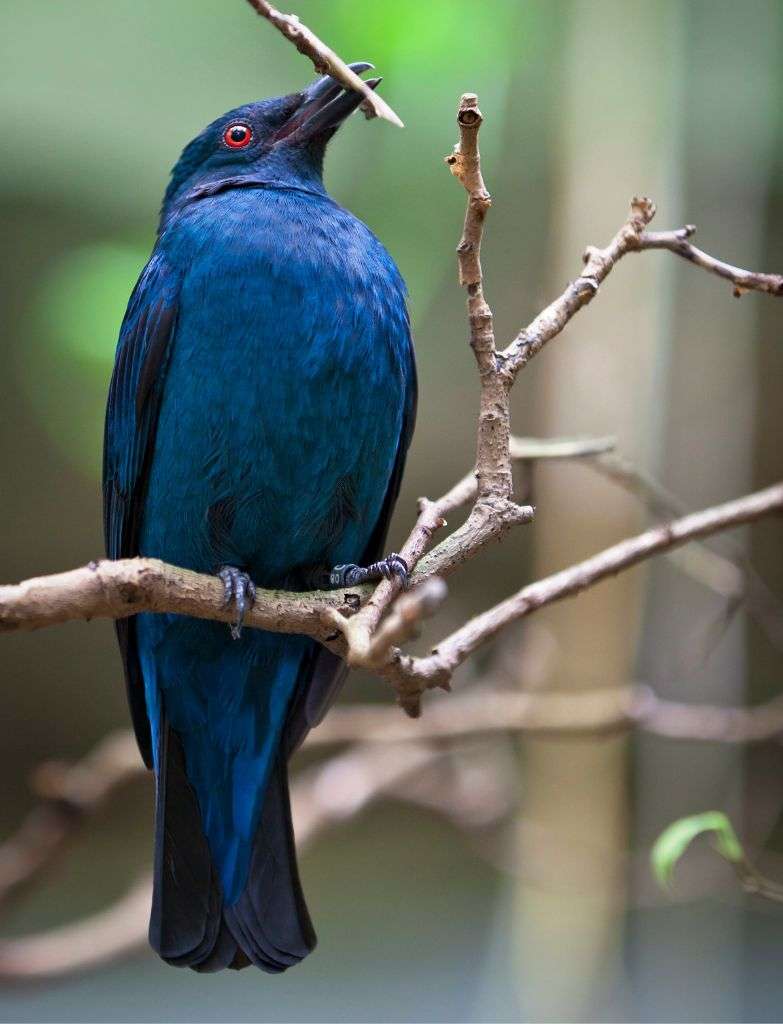
Asian Fairy-bluebird
These strikingly vibrant blue and white birds feast on fruits, nectar, and the occasional insect.
They are known to travel in pairs showcasing sexual dimorphism where males typically display much more prominent colors compared to the females.
Blue-tailed Bee Eater & Bee Eater, Chestnut-headed
With their graceful and elegant flight combined with elongated tail feathers, these insect-eating birds construct secure burrows into the sandy hillsides.
They mainly feed on bees, wasps, and other flying insects. Plus, their bold colors make them great subject for any photographer.
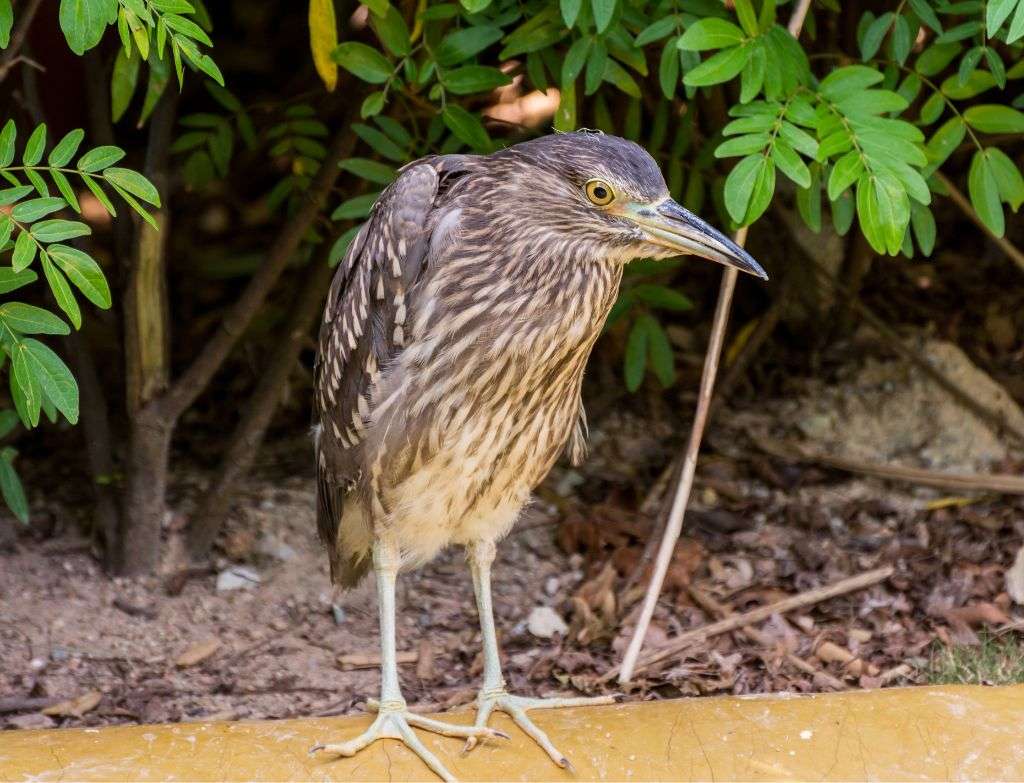
Chinese Pond-heron
Langkawi is an island practically teeming with Chinese pond-herons. These birds are quite distinctive when showing off their eye-catching breeding colors.
And they tend to be carnivorous in behavior while nesting together as family units.
Greater Coucal
This small, crow-sized avian spends the majority of its time searching for sustenance as it meanders through the undergrowth. It emits a resounding boom that can be heard from far away.
Great Hornbill, Oriental Pied Hornbill & Wreathed Hornbill
Malaysia is home to ten species of hornbills, yet only three of these majestic birds can be seen in Langkawi.
Boasting an impressive 1.2m wingspan from tip to tail, they are incredibly social and outgoing creatures that will capture your gaze as soon as you see them soar through the sky.

Crested Serpent-eagle
With its striking yellow-tinged face and body, this majestic bird can often be spotted perched in trees.
On the off chance that one is lucky enough to catch a glimpse of them gliding on their paddle-like wings, they’re likely searching for food such as snakes.
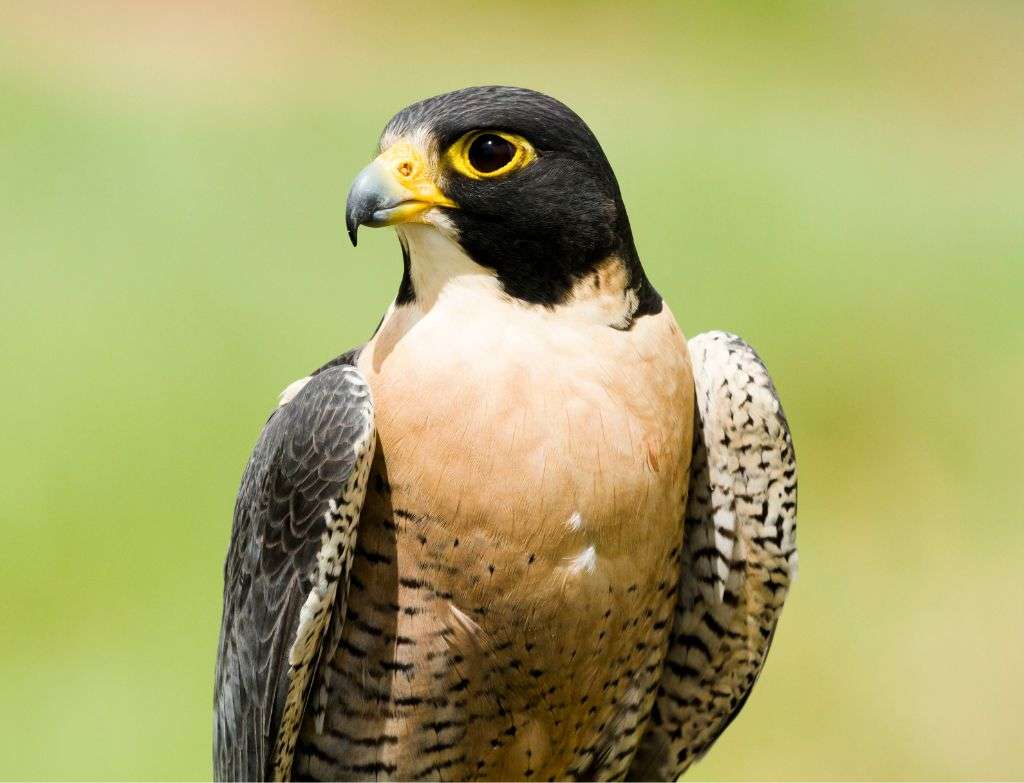
Peregrine Falcon
Langkawi is home to one of the swiftest birds in the world. These fierce raptors sustain themselves on a diet consisting of insects, small mammals and reptiles, making them truly extraordinary predators.
Sadly though, they are very timid creatures that can be difficult to capture with photographs. If you see one, consider yourself very lucky!
Brahminy Kite
The emblematic bird of Langkawi, this species is a frequent sight in the area. With white plumage on its head and neck as well as distinctive black feather shafts, they are readily identifiable by their unique coloration.
Young birds have a brown mottled with white appearance. You can find these birds close to seashores or inland waterbodies throughout the island.
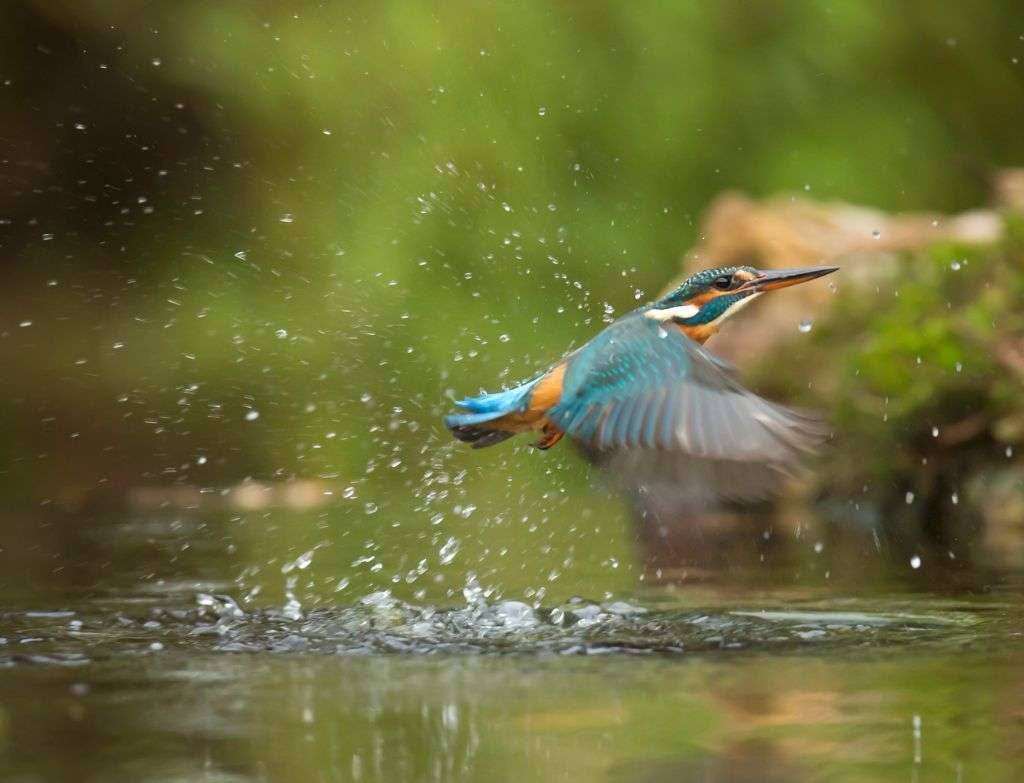
Common Kingfisher, Collared Kingfisher, Brown-winged Kingfisher & White-throated Kingfisher
Throughout the island, you can find these vibrantly-hued birds cozily nesting in cavities. From small fish to crabs and worms – they’ll devour it all!
You might hear their raucous laughing call frequently reverberating through the mangroves, and you’ll likely see them if you take a mangrove tour.
Paddyfield Pipit
Always on the hunt for their next meal, the paddyfield pipit is a bird that loves to scavenge.
You can often spot them scouring across open fields and even peeking through garden lawns as they search for insects hiding beneath grass blades. Keep an eye out for them at your hotel!
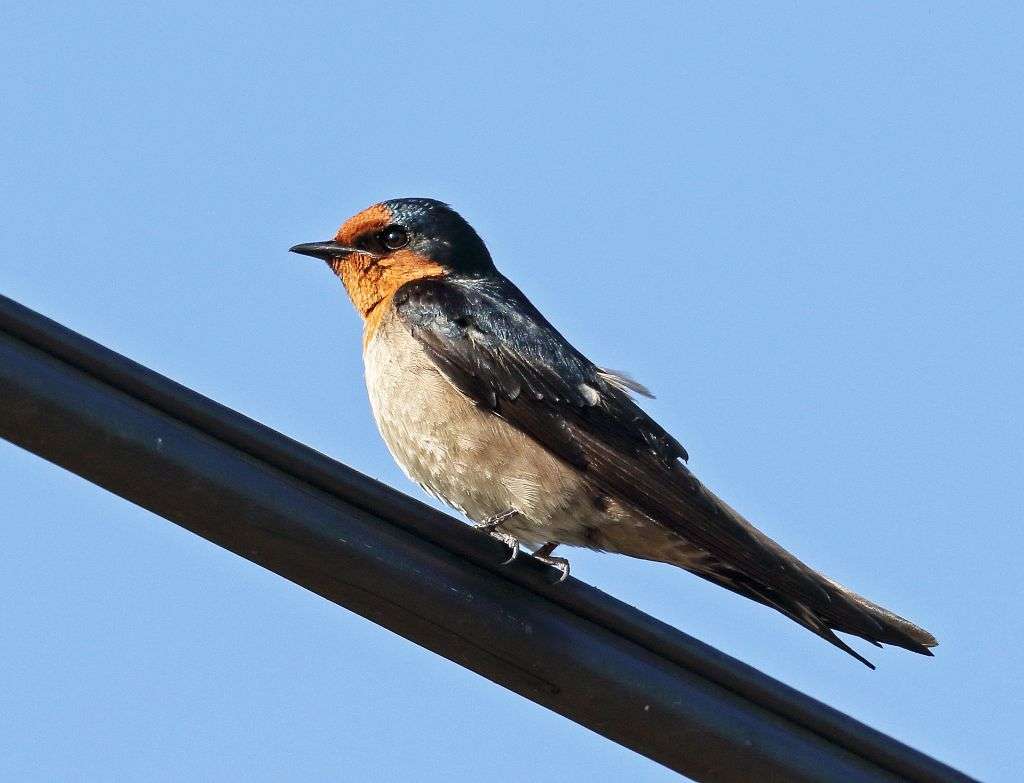
House Swallow & Barn Swallow
House swallows flit around the island, devouring insects and taking up residence in sheltered corners of structures. They even share caves with bats for nesting grounds.
Plus, they tend to migrate in large flocks, so keep your eyes peeled – you may just be able to spot them soaring above the treetops!
Brown Shrike & Tiger Shrike
A migratory and solitary species, these birds feed on small animals like insects, other birds and reptiles. If the catch is too big to be devoured in one sitting, they’ll secure it using a thorn bush before returning for more later.
Look out for their distinctive black and white markings, which are particularly visible during flight. One of the most striking features is the two long black tail feathers that extend outwards.
👉 For the best chance of seeing the most Langkawi birds, book this Langkawi birdwatching tour!
Best Places to Find Animals in Langkawi
While there’s always a chance to see animals in Langkawi just walking along the beach or driving down the road, it’s always more fun to see a great variety in their more natural habitat.
Gunung Machinchang Forest Reserve Area
This large, protected area is home to many different species of wildlife including lemurs, macaques, monitor lizards, and birds. The limestone cliffs here also provide a safe haven for bats.
Datai Bay
The protected Datai Bay is home to several species of fish and invertebrates like the blacktip reef shark, hawksbill sea turtle and various species of coral.
The mangroves here provide shelter to a variety of birds, insects and small mammals.
Stay at The Datai resort if you want the best chance of seeing many of these creatures, and more. It’s one of the best family resorts in Langkawi AND it even has villas with private pools!

Karma Beach
Located just off the coast of Langkawi, Karma Beach is a great place for seeing marine life.
Here you can find everything from dolphins and sharks to seagrasses and coral reefs. Keep an eye out for the dugong, a large mammal that feeds on seagrass.
Mat Chincang
The Mat Chincang area is a great place for birdwatchers. Here you can find many species of waterfowl, waders, and migratory birds. The view from the top of the mountain is really spectacular, too!
Plus, nearby Batu Tengah is a great place to spot sea turtles and other aquatic creatures.

Sungai Kilim Nature Park
This protected area is home to many species of animals, from wild pigs and monkeys to reptiles and birds.
The mangrove swamps here provide refuge for many animals as well as numerous species of fish. Keep an eye out for the rare and elusive smooth-coated otter!
👉 This Sungai Kilim boat tour offers the best chance of seeing animals in Langkawi there!
Gunung Raya Rainforest Reserve Area
This area is great for birdwatchers, with over 200 different species of birds living in this protected forest.
Here you can spot the dusky broadbill, white-bellied sea-eagle and brahminy kite. There is also a chance to see larger animals like macaques, civets and tigers!
👉 This highly-rated jungle hike in Gunung Raya is your best chance to see animals in Langkawi there!
Pulau Dayang Bunting Area
This area is a great spot for seeing marine life. Here you can find turtles, rays, sharks and numerous species of fish.
Keep an eye out for the giant clams, which can be found in shallow waters around the island!

Pantai Cenang Beach
The Pantai Cenang beach is one of the most popular beaches in Langkawi. Here you can spot a variety of marine life, from starfish and crabs to sea snakes and turtles.
The beach is also a great place to spot migratory birds like the oceanic white-tailed tropicbird!
Mangrove Forest
The mangrove forests of Langkawi are home to a variety of animals, from monkeys and macaques to crocodiles and snakes.
The quiet is also full of birds like the white-bellied sea-eagle, brahminy kite and collared kingfisher. Keep an eye out for mudskippers, which can often be found near the surface of the mudflats.
👉 Book this mangrove kayaking tour for your best chance to see wildlife there!
Langkawi Crocodile Adventureland
The Langkawi Crocodile Adventureland is a great spot for safely seeing crocodiles up close. Here you can see different species of crocodilians, such as saltwater crocodiles and Siamese crocodiles.
The farm also houses beautiful birds like the hornbills and a variety of other native animals.
Kilim Karst Geoforest Park
This protected area is filled with limestone hills, caves and mangroves. The park is home to a variety of wildlife such as macaques, wild boars, monitor lizards and birds.
Keep an eye out for the eagle-eyed rock monitor and painted terrapins!
👉 This Kilim Karst boat tour offers your optimal chance to see animals in Langkawi there!
Langkawi Bat Cave
Gua Kelawar is in the Kilim Geopark, and is inarguably the most well-known cave in Langkawi. It’s inhabited by thousands of fruit bats, making it one of the largest bat colonies in Southeast Asia.
Here you can spot different species of bats, such as the Malaysian fruit bat and Horsfield’s horseshoe bat. The cave also shelters various species of birds, reptiles, and insects.
Take a Snorkel or Scuba Dive Trip
Langkawi is surrounded by warm, crystal-clear waters full of marine life. Enjoy the vibrant coral reefs and colorful fish by taking a snorkel or scuba dive trip.
Here you can also see sea turtles, manta rays and sharks!
👉 This boat tour combines snorkeling and mangroves for your optimal chance to see animals in Langkawi!
Langkawi Wildlife Park
Last but not least, the Langkawi Wildlife Park is a great place to learn about the local animals. Here you can find a variety of species, from small mammals and reptiles to birds and primates.
You can also catch a glimpse of some rare species like the slow loris, fishing cat, and the Malayan bear-cat. Kids will love being able to see so many animals up close!

Animals in Langkawi: FAQs
Are there snakes on Langkawi?
Yes, there are a variety of snakes on the island, including cobras and pythons. The mangroves have a variety of viper species living there, too.
Are there tigers on Langkawi?
No, there are no tigers on Langkawi. The last tiger that lived on the island was sighted in the early 1900s.
What kind of birds can be seen in Langkawi?
There is a variety of birds that can be spotted in Langkawi, including the white-bellied sea-eagle, brahminy kite and collared kingfisher.
Migratory species like the oceanic white-tailed tropicbird can also be seen here during certain times of year.

Does Langkawi have sharks?
Yes, there are sharks that can be found in the waters around Langkawi. These include both reef and pelagic species, such as the grey reef shark and scalloped hammerhead shark.
Are there coral reefs in Langkawi?
Yes, there are numerous coral reefs in the waters around Langkawi. These provide a habitat for a variety of marine life, from small fish to giant clams.
Snorkel and scuba dive trips are a great way to explore these vibrant reefs!
Which animal is the local symbol of Langkawi?
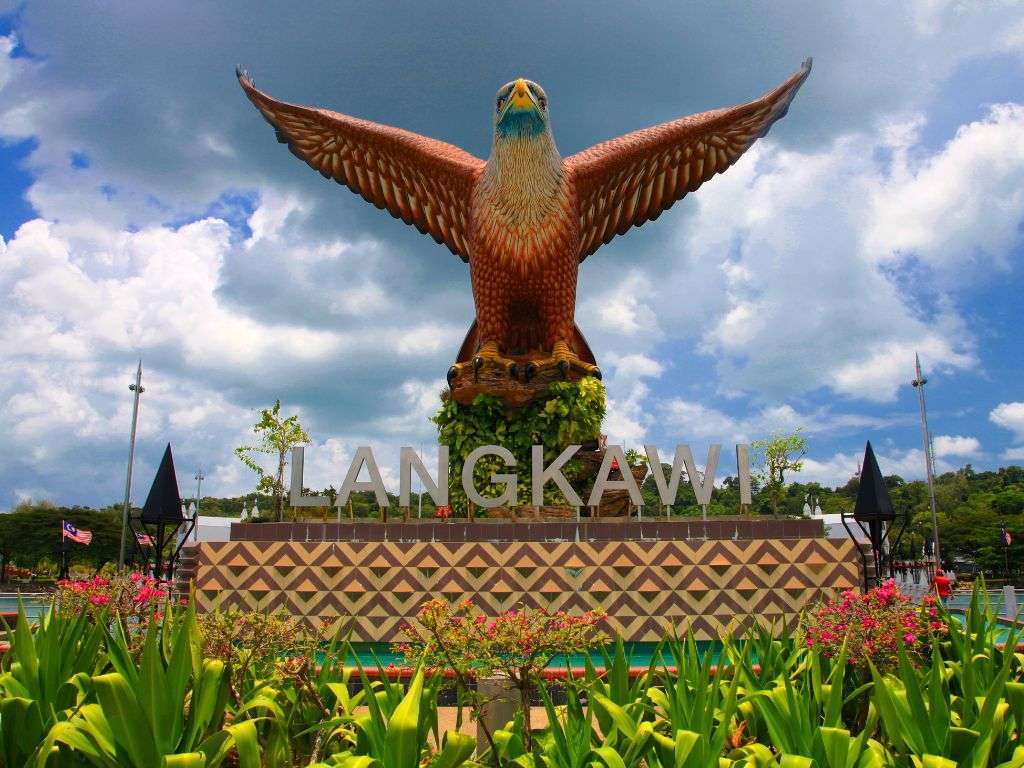
The white-bellied sea eagle is the local symbol of Langkawi. It can be seen soaring over the island and is often seen perched atop trees and rocky outcrops.
There’s also a statue of a white-bellied sea eagle at Langkawi Square!
Are there monkeys in Langkawi?
Yes, there are a number of different species of monkeys living on Langkawi. These include long-tailed macaques, pig-tailed macaques and dusky leaf monkeys.
You can often spot them in the trees or around the edges of human settlements.
Are there any endangered species on Langkawi?
Yes, there are a number of endangered species that can be found on Langkawi, including the Malayan tapir and dusky leaf monkey.
It’s important to remember that these animals are protected, so it’s important to treat them with respect and not disturb their natural habitat.

Conclusion: Animals in Langkawi
These are just some of the great places to find animals in Langkawi. Whether you’re a birdwatcher, nature enthusiast, or simply looking to take in some amazing scenery, Langkawi is a great destination for wildlife spotting!
No matter where you are in Langkawi, wildlife spotting is an exciting activity that can be enjoyed by both locals and visitors alike.
So don’t forget your binoculars and cameras when visiting this beautiful island destination!
With a little bit of luck, you can spot some amazing wildlife, and create unforgettable memories along the way.
Happy wildlife spotting!


