

Our Offbeat Life contains affiliate links & participates in the Amazon Services LLC Associates Program & other affiliate programs. If you buy something using an Amazon or other link, we may receive a commission at no extra cost to you. See our Disclosure for more details.
14 Helpful Tips for Driving in El Salvador

Thinking about driving in El Salvador during a trip there? Or maybe you’re I can help!
I spent time exploring the country with my family during our Pan-American Highway road trip from Mexico to Argentina.
If you’re planning a trip to beautiful El Salvador and especiall if you’re planning on driving to El Salvador, it’s important to be aware of the rules of the road.
This can be a bit of a challenge, as the roads are often narrow and winding. Plus, this Central American country has its own unique driving culture, and if you’re not prepared for it, you could find yourself in a bit of trouble.
In this blog post, I’ll give you some helpful tips based on my personal experience for driving in El Salvador to help you stay safe on your trip and and navigate your way around like a pro. Let’s go!
Driving in El Salvador Fast Facts
☑️ Driving in El Salvador is done on the right side of the road.
☑️ Overtaking other cars occurs on the left.
☑️ Drivers need to be 18 years old to drive in El Salvador.
☑️ To rent a car in El Salvador, you must be 21 years old.
☑️ All drivers must have a valid driver’s license from their country of residence or El Salvador.
☑️ International driver’s permits are not required but will help if your license is not written in English or Spanish.
☑️ Emergency Numbers – Police: 911 – Fire: 132 – Ambulance: 913
Driving in El Salvador Tips & Tricks
The country of El Salvador is famous for being the “land of volcanoes,” having more than twenty within its borders, and two of them are currently active.
Being a tropical mountain country, El Salvador has excellent surfing spots all year round.
This Central American country is the smallest of all the countries in the region, with its size slightly smaller than the US State of Massachusetts.
The good side of this is you can just travel from one destination to the other in just four to five hours via car.

1. Always Drive Defensively
El Salvador has a high rate of traffic accidents, so be alert at all times. In addition, Since there are so many volcanoes in El Salvador, the country is prone to earthquakes.
When driving, it is important to be aware of your surroundings and be prepared for the unexpected. Drive defensively and always keep a safe distance from other cars.
If you are in an earthquake, stay calm and follow the instructions of local authorities.
2. Don’t Drink and Drive
It is important to not drive under the influence of drugs or alcohol when driving in El Salvador. The country has very strict laws against Driving Under the Influence (DUI).
Drivers who are caught driving under the influence will be arrested and may face severe penalties, including jail time and fines.
It is important to always be aware of your surroundings and to avoid driving if you are impaired in any way.
3. Watch for Tumulos
This is what speed bumps are called in El Salvador, just like driving in Guatemala. As in Mexico and throughout Central America, there are large speed bumps on many roads in El Salvador.
They aren’t always well marked or marked at all, so be on the lookout for them. Slow down when approaching a tumulo and be prepared to stop if necessary.

4. Use Turn Signals
This is especially important when changing lanes or turning. Not using your signals can result in a traffic violation. In addition, this lets other drivers know your intentions, and can help to avoid accidents.
When changing lanes or making a turn, be sure to use your turn signal at least several seconds before you make the maneuver.
This will give other drivers enough time to react and avoid any potential collisions.
5. Observe Speed Limits
This is especially important in urban areas. Speeding can lead to costly fines. We found that speed limits aren’t consistently posted, especially in rural El Salvador.
Generally, the speed limit El Salvador maintains are 50 km/hour on roads in cities and towns, while they increase to 90 km/hour on rural roads and highways.
6. Always Wear a Seatbelt When Driving in El Salvador
This applies regardless of whether you are the driver or passenger. Although seatbelt laws are not strictly enforced there, it is important for drivers to wear their seatbelts when driving in El Salvador.
This is for two reasons. First, it is technically the law. Second, it helps keep drivers safe in case of a collision.
In El Salvador, the law states that all drivers and passengers must wear a seatbelt while the car is in motion. Wearing a seatbelt can help prevent serious injuries in the event of a crash.
7. Be Aware of Your Surroundings When Parking
Parking on the street in some areas can be dangerous, as thieves and muggers often target cars.
Try to park in a well-lit and populated area if possible. In any city, like Santa Ana or San Salvador, parking can be a bit of a nightmare.
But in El Salvador, it’s especially important to be careful when parking, as crime is high and thieves are always looking for an opportunity to steal a car or its contents.
The best way to avoid becoming a victim is to park in well-lit, heavily populated areas, and never leave anything of value in your car.
Finally, if you’re car-camping in El Salvador, always make sure to park your car in a safe place where it will be less likely to be targeted by thieves.
Thieves have been known to target cars parked near campgrounds and beaches, so be sure to find a spot that’s well-hidden and out of sight.
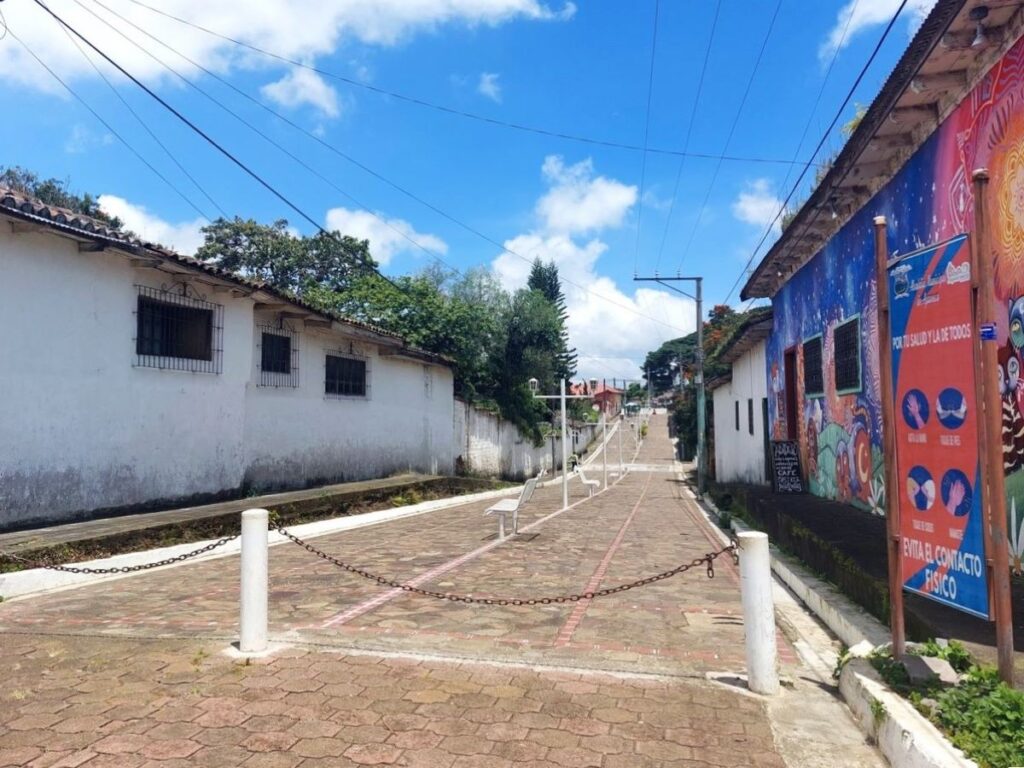
8. Know Your Route Before Starting Out
Make sure to have a map on hand just in case you get lost. We recommend using Waze, Maps.me, or Google Maps to navigate.
Pro Tip: We always download offline maps to our phones, as an additional backup navigation option.
In addition, El Salvadoran roads are not always well-marked, so it’s important to be prepared ahead of time. If you’re venturing out on some day trips into rural areas, you may lose cell phone reception for mapping.
11. Be Aware of Road Signs
And what they mean. Knowledge of common road signs will help keep you safe while driving in El Salvador.
When driving in El Salvador, traffic signs serve as your guide. In addition, as you’re traveling on certain roads in the country, signs become hard to see.
They can be blocked by foliage overgrowth or may have been knocked over and not replaced.
Nonetheless, you must be aware of them in order to avoid getting lost and causing accidents while on the road. The majority of road signs are written in Spanish.
Some also have photos to help you figure it out but others don’t. So studying may be useful before traveling throughout El Salvador.
On the side of the nation’s roadways, you’ll notice a variety of traffic signals. They can be categorized as warning road signs, recommendation road signs, mandatory road signs, and priority road signs.
Warning road signs are there to warn you about conditions ahead that may be dangerous. There are a few different kinds of warning signs, and below are some examples.
“Pavimento deslizante” – Slippery road
“Rocas decrecientes” – Falling rocks
“Obras” – Road works
“De dos camino tráfico” – Two way traffic
“Estrechamiento de calzada” – Road narrows
“Cruce de peatones” – Pedestrian crossing
“Curva peligrosa” – Dangerous curve
“Estrechamiento de calzada por la derecha” – Road narrows on right
Regulatory road signs tell drivers what they must not do and what they must do. They remind drivers of traffic laws and regulations that are always in effect or only apply at certain times or places.
“Ceder el Paso” – Give way / Yield
“Entrada prohibida” – No entry
“Límite de velocidad mínimo” – Minimum speed limit
“Límite de la velocidad máxima” – Maximum speed limit
“Media vuelta prohibida” – No U-turn
“Ninguna parada” – No stopping
“Adelantamiento prohibido” – No overtaking
“Entrada prohibida a vehículos de motor” – No motor vehicles
“Prohibido el paso” – No entry
“Prohibido estacionarse” – No parking

Recommendation road signs tell drivers what they should do, not what they must do. The list below provides more information about these types of signs.
“Girar a la izquierda” – Turn to left
“Gire a la derecha” – Turn to right
“Rotatoria” – Roundabout
“Curva a derecho” – Curve to right
“Curva a izquierdo” – Curve to left
There are different types of mandatory road signs. These signs tell drivers what to do, and they need to follow these instructions.
Some signs tell drivers which road has the highest priority. If you don’t follow these signs, you might have a car accident with other drivers and pedestrians.
To avoid this, pay attention to the following priority signs.
“Detención obligatoria” – Stop and give way
“Fin de prioridad” – End of priority road
“Intersección con prioridad” – Junction with a minor road
“Párese y ceda el paso” – Priority road
12. Don’t Drive at Night
Drive during the daytime whenever possible, as many roads are poorly lit at night and can be dangerous to drive on.
There is a high possibility when driving in El Salvador of encountering animals or even people walking on the road.
Pro Tip: If you do see an animal or person on the road, slow down and try to safely steer around it.
Be especially vigilant at night, when snakes and other creatures are more active. You’re also likely to see dogs, cattle, horses, and even ox carts on roads or even highways.
13. Be Patient and Courteous
Be patient and courteous while driving in El Salvador—this will help keep the roads safe for everyone involved. El Salvador is a beautiful country, but it can also be quite hectic and unpredictable when driving.
Drivers should always allow for extra time when getting anywhere, as traffic in the cities can often come to a standstill without warning.
It’s also important to be patient while driving in El Salvador, as locals often drive more assertively than in the US.
The speed at which they take some of those mountain curves is nerve-wracking!
If you’re not used to this type of driving, it can be easy to get frustrated or angry. But remember, it’s best to stay calm and relaxed while behind the wheel in order to avoid any potential accidents.
14. Avoid Distracted Driving
Don’t use your cell phone while driving. El Salvador is a country where many people rely on their mobile phones to stay in touch with loved ones.
However, using a mobile phone while driving is not only unsafe, but also illegal in many other countries.
Safety Fact: In El Salvador, there are no specific laws prohibiting the use of mobile phones while driving, but it is still not recommended.
One reason why using a mobile phone while driving is unsafe is that it can be very distracting.
When you are trying to focus on driving, it can be difficult to also focus on answering a call or sending a text.
This can lead to dangerous situations on the road including things like taking their eyes off the road, braking too late, or even crossing into oncoming traffic.

Renting a Car in El Salvador
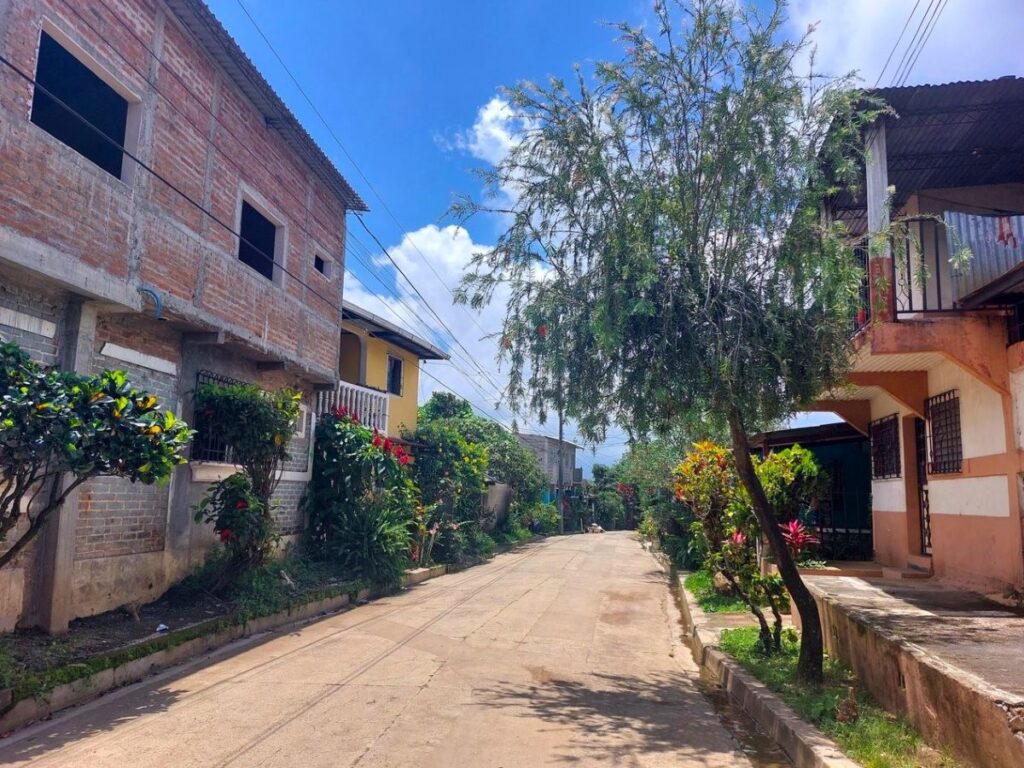
When renting a car in El Salvador, it is important to be aware of the fact that outside major cities and highways, most of the roads in the country are not paved.
Or they’re paved with cobblestones or bricks rather than blacktop.
The rental agencies do have 4×4 vehicles available for rent, but these tend to be more expensive.
Pro Tip: If you plan to make day trips outside Santa ana or San Salvador, pay extra for 4WD.
We don’t have it and there were several times in the country we really wish we did!
Make sure to take your time when driving, as the roads can be quite winding and there can be a lot of livestock or even people walking on the road.
Drivers should also avoid driving at night, as there are many unmarked speed bumps and potholes in the road.
Car Insurance
When renting a car in El Salvador, it is important to know that not all car rental companies offer insurance.
If you are not covered by your own personal insurance policy, it is highly recommended that you purchase it from the car rental company.
Before signing any documents, be sure to read the terms and conditions of the insurance policy carefully. If you have any questions, ask the representative from the car rental company.
Be aware that there may be certain restrictions on what type of vehicle you can rent depending on your age and driving experience.
FAQs for Driving in El Salvador
Do you still have questions about driving in El Salvador? Here are answers to some frequently asked questions.
Is it Safe to Drive in El Salvador?
Despite the challenges that come with driving in El Salvador, we found it to be a relatively safe experience.
We never felt like we were in danger while driving around and always took precautions like driving during the daytime and being aware of our surroundings.
We always also ensured that our car was parked in secure areas overnight.
Can you drive to El Salvador?
Yup, you can absolutely drive to El Salvador from anywhere in North or Central America. We enjoyed driving to El Salvador as a family on our Pan American Highway road trip, and had a lovely time there.
Can I drive in El Salvador with US license?
Yes, you can drive in El Salvador with a US license. We did it without issues. You do not need an international driving permit (IDP) either.
Just make sure your license is valid and up to date during your stay, as police do look at expiration dates during traffic stops. Enjoy exploring the beautiful landscapes and cities of El Salvador at your own pace!
How old do you have to be to drive in El Salvador?
In El Salvador, driving starts at 15 under supervision. At 18, drivers are eligible to get an unrestricted El Salvador driver license and drive El Salvador on their own. Drivers over 75 are restricted for safety reasons, without exception.
If you’re under 18 or over 75, you may want to consider hiring a driver for your El Salvador trip.

Conclusion: Driving in El Salvador
Of course, there are always risks when driving in any country, but as long as you take the necessary precautions, driving in El Salvador can be a safe and enjoyable experience.
Just be sure to drive defensively, give yourself plenty of time to get to your destination, and always be aware of your surroundings. With these tips in mind, you can explore all that El Salvador has to offer without worry.
Happy travels!
👉 While we have global health insurance for our day-to-day lives, we also elect travel insurance with SafetyWing for our spurts of fast travel adventure!


