

Our Offbeat Life contains affiliate links & participates in the Amazon Services LLC Associates Program & other affiliate programs. If you buy something using an Amazon or other link, we may receive a commission at no extra cost to you. See our Disclosure for more details.
How Much Money Do You Need to Live a Nomadic Lifestyle with Kids?

People often ask: How much does it really cost to live as a digital nomad? The quick answer is that it depends on how much you want to spend.
Solo nomads can sometimes live on as little as $1,000 a month by staying in hostel dorms and eating instant noodles. Families, however, have different needs.
For families, a realistic minimum benchmark is around $3,000 USD per month in affordable regions like Southeast Asia and Latin America. Some families spend less and thrive, while others spend more, depending on comfort and destination choices. There is no magic number.
This article explores the realities of budgeting for a digital nomad family, based not only on my own family but the experiences of others we’ve met along the way. Let’s jump in!
Solo Nomad vs. Family Nomad Budgets
Solo nomads can stretch their money by staying in hostel dorms, sharing bathrooms, and living off ramen and other cheap meals. Families need more space, privacy, and stability.
Hostels aren’t usually practical for long stays, but we’ve used them occasionally in expensive destinations.
For example, in Wellington, New Zealand, we spent $65 USD per night for three nights in a hostel between house sits.
We had a private room, shared bathroom, and used the shared kitchen to cook meals. It worked for a short stay, but it’s not a sustainable option for families long-term.
This highlights the difference between family digital nomad expenses and solo nomad budgets. Families must plan for accommodation, food, transport, and activities that meet everyone’s needs.

Affordable Destinations for Families
Regions like Latin America and Southeast Asia are where our $3,000/month budget works best. That amount covers:
- A comfortable apartment rental.
- Local food and groceries.
- Public transport and occasional flights.
- Cultural activities and outings.
These regions make it possible to live comfortably without overspending. For families, affordable destinations for digital nomad families are the key to sustaining long-term travel.
High-Cost Destinations and Budget Adjustments
Not every destination fits every family’s budget. Countries like Western Europe, Japan, Australia, and New Zealand can easily exceed $3,000/month. Accommodation alone might cost that much, and airfare to reach these places can be steep.
That’s okay. Families don’t need to go everywhere to worldschool or live a digital nomad lifestyle. Choosing destinations that fit your budget is part of the journey.
Examples from our travels:
- Japan during Cherry Blossom season: our accommodation budget more than doubled.
- Australia and New Zealand: We relied on house sitting to keep costs reasonable.
These experiences show how house sitting for families abroad can be a valuable strategy in high-cost destinations.
Balancing Costs Across Destinations
One way to manage expenses is to balance costly destinations with affordable ones.
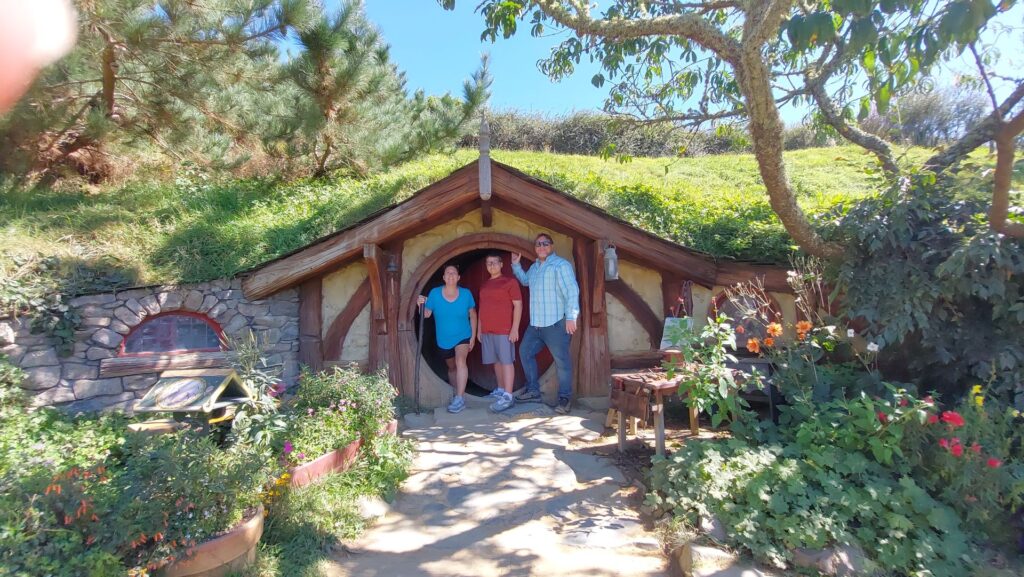
After our month in Japan, we spent two months in Cambodia at just over half our typical budget. This offset the higher costs and kept our yearly average sustainable.
Another strategy is slower travel. Slower travel saves money because:
- Longer accommodation stays often come with discounts.
- Fewer moves mean fewer pricey air tickets.
- Staying longer allows deeper cultural immersion without rushing.
This balance between expensive and affordable destinations is how families make nomadic life financially sustainable.
Practical Budgeting Tips for Families
Here are five practical tips that help us keep our digital nomad family budget manageable.
1. Be flexible with destinations and timing.
Go where the deals are instead of locking into specific dates or places.
2. Use single-leg tickets and stopovers.
Booking separate flights can save money and add new destinations. Example: Kuala Lumpur to Berlin via Istanbul saved us $500 per person and gave us five nights in Istanbul.
3. Consider house sitting.
House sits in Australia and New Zealand helped us cut accommodation costs dramatically.
4. Stay outside city centers.
Cheaper accommodation is often available further out, as long as public transit is accessible.
5. Travel slowly.
Longer stays mean discounted rentals and fewer flights, which saves money and reduces stress.
Emotional and Lifestyle Considerations
Budgeting isn’t just about numbers. It’s about lifestyle choices. For us, splurges are experiences we can share, like cultural festivals or unique excursions.
When we went to Chiang Mai Thailand, for example, to experience the Yi Peng Lantern Festival and saw thousands of lanterns floating in the sky, it was magical!
Everyday comfort matters too, but we don’t mind staying outside city centers for better prices, as long as transit is accessible.
This is how families budget for digital nomad life: balancing comfort, experiences, and savings.
Final Thoughts
There is no single answer to “How much money do you need to live a nomadic lifestyle with kids?”
Every family’s budget looks different. Some spend less than $3,000/month and thrive, while others spend more depending on their priorities.
For our family of three, our budget generally allows us to live comfortably in affordable destinations, balance expensive trips with cheaper ones, and prioritize experiences together.
Ultimately, nomadic life is about flexibility, creativity, and making choices that fit your family’s values. Whether you spend less or more, the key is finding a balance that works for you.


