
Our Offbeat Life contains affiliate links & participates in the Amazon Services LLC Associates Program & other affiliate programs. If you buy something using an Amazon or other link, we may receive a commission at no extra cost to you. See our Disclosure for more details.
What is Digital Nomad Life Like for Families?

When people picture digital nomads, they often imagine someone lounging on a beach with a laptop, sipping a coconut while working under the sun.
Let me be clear: I’ve never taken my laptop to the beach, and I never would. Sand, glare, and saltwater don’t mix with electronics.
For families, digital nomad life looks very different from the Instagram stereotype. It’s not just about finding Wi-Fi and cheap flights. It’s about balancing work, education, play, and community while moving from place to place.
In this article, I’ll share what digital nomad life is really like for families, based on our full-time travels since 2019. Let’s go!
Daily Life for Nomadic Families
When my son was younger, our workday revolved around his nap schedule. We’d squeeze in a few hours of focused work while he slept, then spend the rest of the day exploring together.
Now that he’s a teenager, our rhythm has shifted. We usually go out during the day to visit museums, parks, or science centers, and then work in the evenings or on weekends.
For example, on a Tuesday morning in Kuala Lumpur, we might head to Petrosains Science Centre at KLCC. After a few hours of hands-on learning, we leave before rush hour, have dinner at home, and then spend a few hours working in the evening.
This balance allows us to enjoy quieter attractions during the week while most people are at work, and it keeps weekends free for catching up on projects.
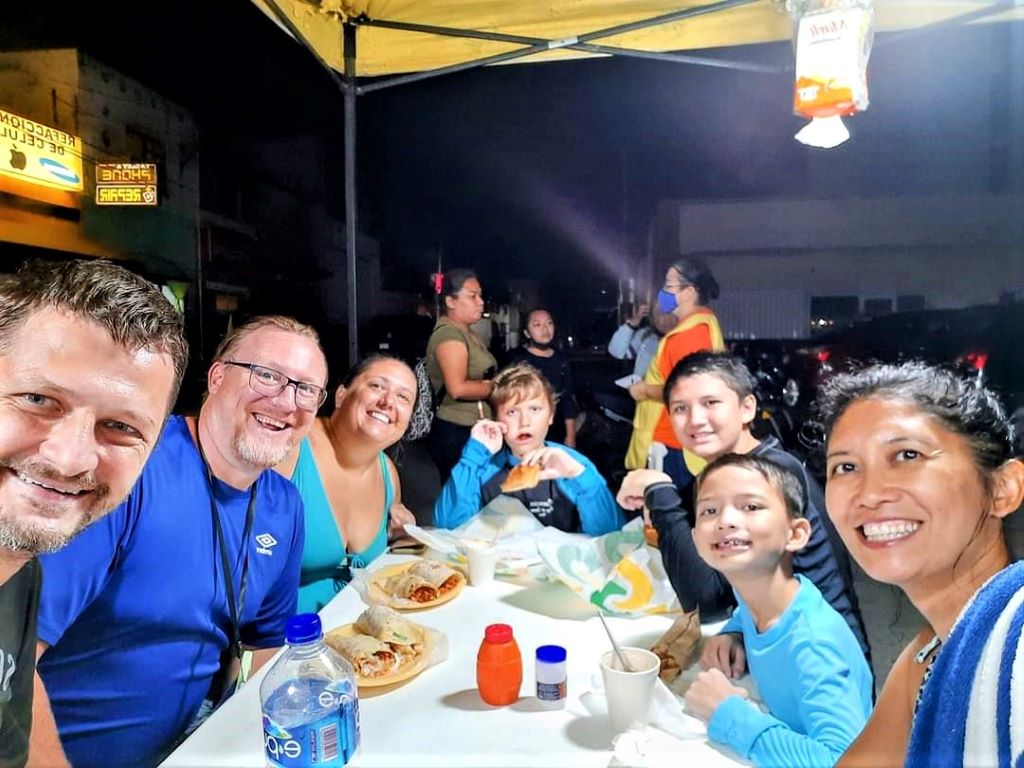
Meals are another part of daily life. Sometimes we cook at home to save money and maintain routines, and other times we dive into local food culture together or with friends.
Sharing meals becomes both a practical necessity and a way to connect with the places we visit.
Education and Childcare
Education is one of the biggest questions families face when considering a nomadic lifestyle.
We’ve explored many options, and in Season 2 of our podcast, we discuss them in depth: homeschooling, worldschooling, online programs, and even roadschooling.
For our family, unschooling has been the most natural fit. We learn through daily life. Math happens when we convert currencies at markets.
History comes alive in museums and historic sites; what better way to learn about the Incas than spending a day at Machu Picchu?
Language learning is both practical and fun: we pick up phrases wherever we are, and we use tools like DuoLingo before arriving in a new country.
This approach keeps education flexible and rooted in real-world experiences, making learning an adventure rather than a chore.

Housing and Neighborhood Choices
Finding the right place to stay is about more than just price. As a family, we prioritize safety, access to public transit, and proximity to grocery stores.
In bigger cities, being near a metro stop makes it easier to explore without relying on expensive taxis or long commutes.
We tend to focus on budget over comfort, especially for shorter stays. For example, when we lived in Mexico City, we carefully chose family-friendly neighborhoods that balanced affordability with access to parks, transit, and local culture.
I wrote an article about this, highlighting the areas that work best for families.
Travel Logistics with Kids
Traveling as a family requires flexibility. Instead of choosing a specific time or place, we often go where and when the deals are. This approach keeps costs low and opens up opportunities to explore new destinations.
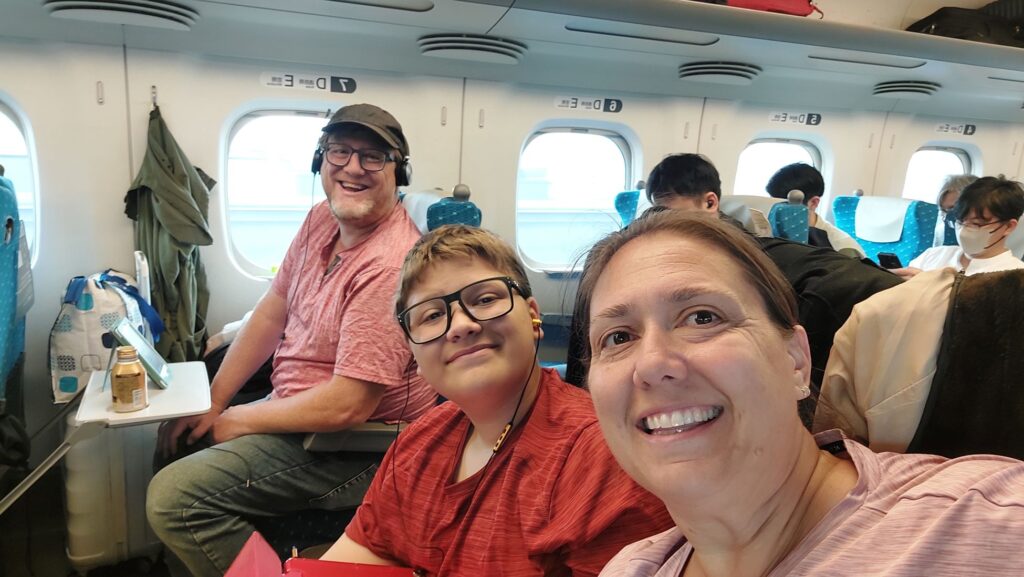
We also look at booking single-leg tickets and building in multi-day stopovers. When we flew from Kuala Lumpur to Berlin, we booked separate tickets: KL to Istanbul, then Istanbul to Berlin.
Not only did this save us over $500 per person, but it also gave us five nights in Istanbul to explore a city we hadn’t visited before.
Flexibility is the key to making family travel affordable and exciting.
Building Community and Social Life
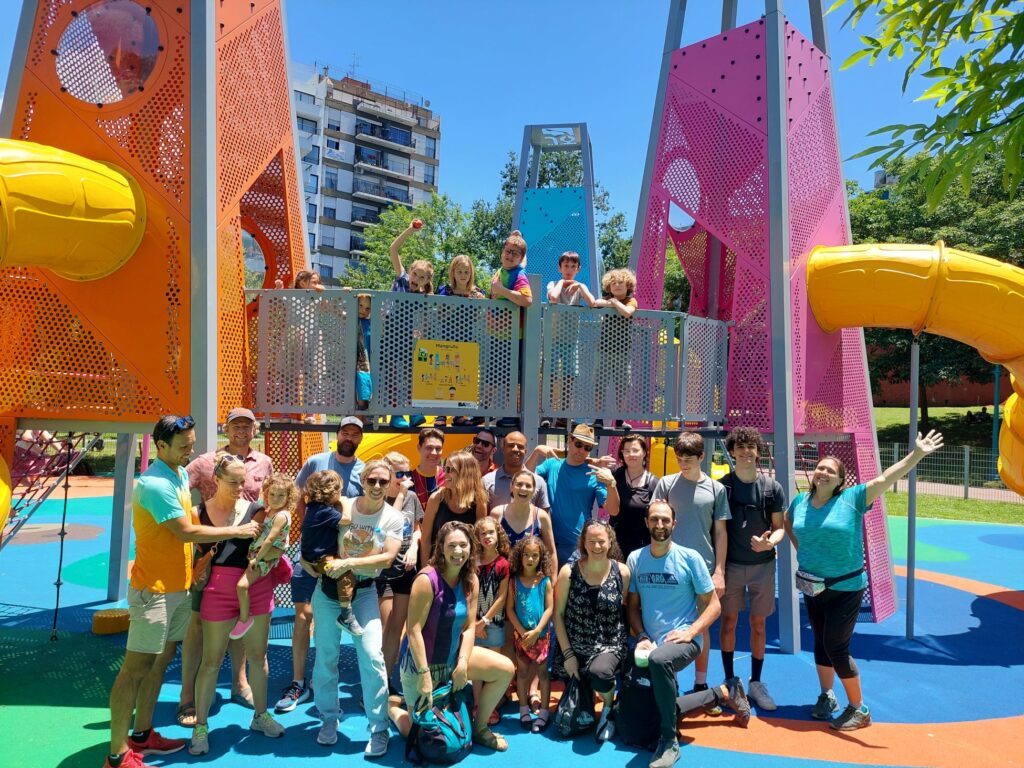
Community is essential for families on the move. We’ve found creative ways to build connections, like setting up Pop Up Hubs when we travel. These gatherings bring families together for shared learning and socializing.
We also intentionally seek out destinations where other families congregate, such as Southeast Asia and Latin America. These regions have thriving communities of traveling families, making it easier for my son to meet new friends.
Our social channels also help us stay connected, but nothing replaces the joy of watching kids bond over shared experiences in new places.
Emotional Side of Nomadic Life
One of the biggest challenges of nomadic life is the lack of long-term friendships for kids.
My son has friends he met in South America, Europe, and Asia, and while we can’t always stay in the same place, we make sure to keep in touch virtually. Video calls, messaging apps, and online gaming help maintain those bonds across continents.
On the positive side, nomadic life strengthens family connections. We spend more time together, share unique experiences, and adapt as a team.
We’re always on the lookout for places where we might settle long term and eventually gain residency, but for now, the journey itself is the focus.
Pros and Cons Summary
Pros
Cons
For our family, splurges are experiences we can share, like a special excursion or cultural event. Everyday comfort matters too, but we don’t mind staying outside city centers for better prices, as long as public transit is accessible.
Final Thoughts
Digital nomad life for families is not about laptops on beaches or endless vacations. It’s about creating a lifestyle that balances work, education, and exploration while staying connected as a family.
It requires flexibility, creativity, and a willingness to adapt, but the rewards are immense: learning through real-world experiences, building global friendships, and sharing adventures that shape who we are.
If you’re considering this path, think about your family’s values and priorities. For us, nomadic life has been a way to learn, grow, and connect, not just with the world, but with each other.
Struggling to plan your travel adventures?
As a former HR Director and full-time worldschooling mom since 2019, I’ve got answers. You don’t need to do this alone.


