

Our Offbeat Life contains affiliate links & participates in the Amazon Services LLC Associates Program & other affiliate programs. If you buy something using an Amazon or other link, we may receive a commission at no extra cost to you. See our Disclosure for more details.
How to Live a Life of Travel and Adventure: From a Full Time Traveling Mom

Many people wonder how to live a life of travel and adventure, but don’t know how to make it sustainable. It’s not just about vacations, it’s about building a lifestyle that blends work, learning, and exploration.
Living a life of travel and adventure is possible for families when you combine flexibility, budgeting, and a focus on experiences over possessions. Some families spend less, others spend more, but the key is creating a lifestyle that fits your values.
In this article, I’ll share how our family has built a travel-focused lifestyle, including tips for how you can do it, too. Let’s go!
Defining Travel and Adventure as a Lifestyle
Travel and adventure aren’t occasional trips; they’re ongoing choices that shape daily life.
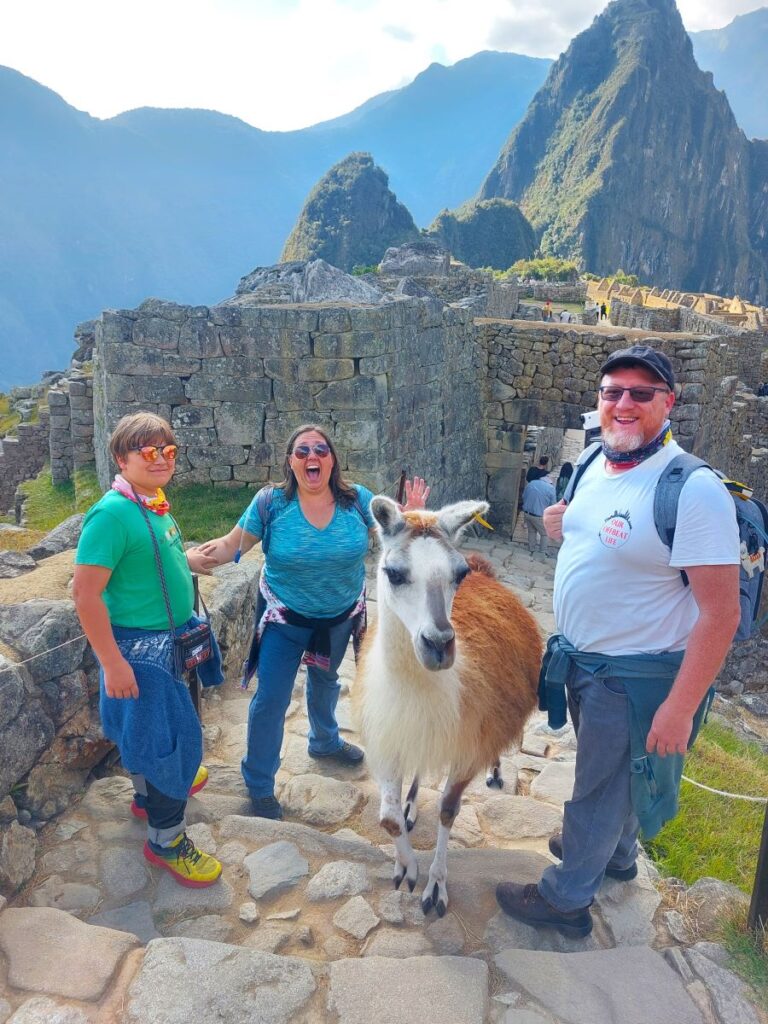
For families, adventure can be as simple as visiting a local market and learning how to navigate new foods, currencies, and languages. It can also be as big as exploring Machu Picchu or spending months in a new country.
Our family embraces adventure through unschooling and worldschooling. Museums, historic sites, and even grocery shopping become opportunities to learn.
Math is currency conversion, history is exploring ruins, and language is picking up phrases wherever we go.
This is what a family adventure lifestyle looks like in practice, learning and growing together through everyday experiences.
Budgeting for a Life of Travel
One of the biggest misconceptions is that constant travel requires wealth.
In reality, we make significantly less money traveling full-time than we did working day jobs back in Chicago. Yet our expenses are lower, and our lifestyle is richer in experiences.
For our family of three, $3,000 per month allows us to live comfortably in affordable regions like Southeast Asia and Latin America. Some families spend less, others spend more.
The key is balancing expensive destinations with affordable ones and embracing slower travel to save money.
Budgeting is about choices. We splurge on experiences we can share, like cultural festivals, while saving on accommodation by staying outside city centers or house sitting.
This is how a family travel budget lifestyle becomes sustainable.
Choosing Destinations Wisely
Not every destination fits every family’s budget. Affordable regions like Southeast Asia and Latin America make long-term travel possible, while Western Europe, Japan, Australia, and New Zealand can be much more expensive.
Some families prefer smaller towns for peace, lower costs, and slower rhythms. We tend to choose cities because they offer more amenities, cultural opportunities, and the chance to meet other traveling families.
Both options have their perks; it’s about finding what works best for your family.
For example, we’ve used house sitting in Australia and New Zealand to keep costs reasonable, while in Japan during Cherry Blossom season, we had to double our accommodation budget.
Flexibility is key to making a family nomad lifestyle from from Europe to Asia and beyond.
Building Community on the Road
Community is essential for families living a nomadic lifestyle. Kids need peers, and parents need support networks.
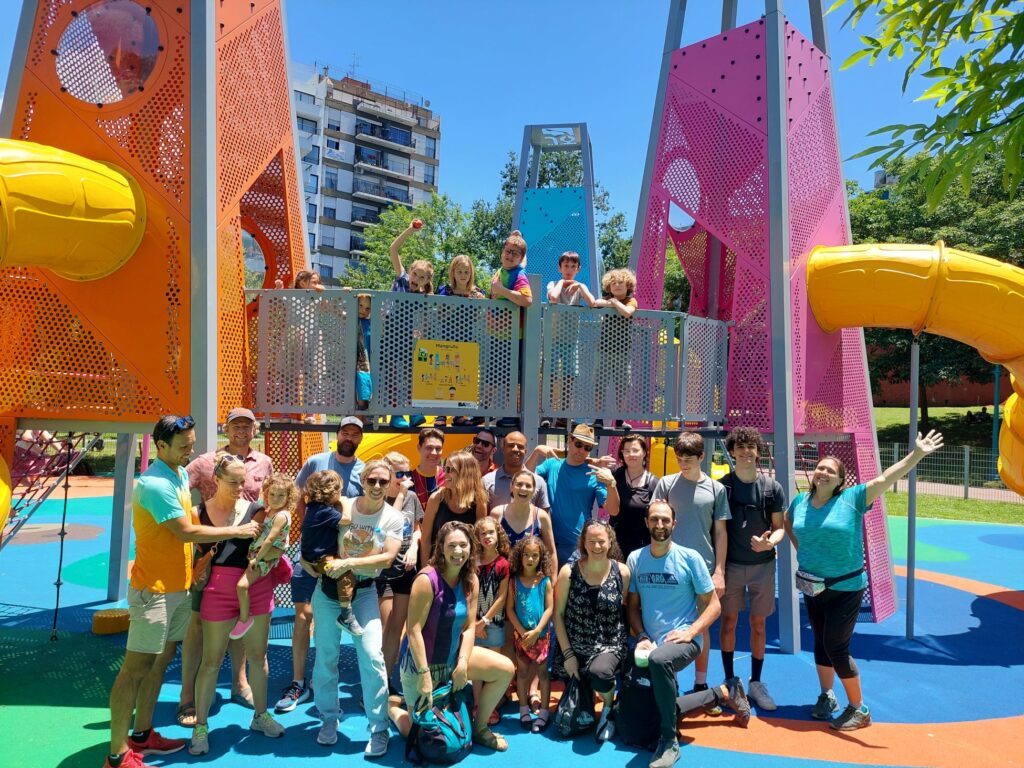
We’ve found creative ways to build connections, like setting up Pop Up Hubs when we travel. These gatherings bring families together for shared learning and socializing.
We also intentionally seek out destinations where other families congregate, such as Southeast Asia and Latin America. These regions have thriving communities of traveling families, making it easier for my son to meet new friends.
Even when we move on, we stay connected virtually. My son has friends across South America, Europe, and Asia, and they keep in touch through video calls and online platforms.
This is how we approach building community as a traveling family, sometimes by joining existing groups, sometimes by creating our own.
Practical Tips for Living a Life of Travel and Adventure
Here are some creative, actionable tips that show how families can make travel and adventure a lifestyle.
1. Be flexible with destinations and timing.
Instead of locking into specific dates or places, go where the deals are. Flexibility keeps costs low and opens up unexpected opportunities.
2. Travel slowly to save money and reduce stress.
Longer stays mean discounted rentals and fewer flights. Slower travel also allows deeper cultural immersion and gives kids time to settle into routines.
3. Use house sitting and creative lodging options.
House sitting has been one of our biggest money-savers. When we spent almost six months in Mexico, over four of those months were spent house-sitting around the country.
It gave us affordable accommodation, local immersion, and even pets to care for, which added joy to our son’s experience. In pricier places like Australia and New Zealand, house sitting helped us cut costs dramatically.
And when house sits weren’t available, hostels with private rooms and bathrooms became a practical option.
4. Prioritize experiences over possessions.
We spend money on shared adventures, like cultural festivals or excursions, rather than luxury items. These experiences create lasting memories and keep our lifestyle focused on connection.
5. Build community intentionally.
Seek out regions where other families gather, or create your own meetups.
We’ve organized Pop Up Hubs to bring community to us, and intentionally chosen destinations like Southeast Asia and Latin America where family nomad networks thrive.
6. Treat everyday errands as adventures.
Visiting a local market isn’t just shopping; it’s a chance to learn math through currency conversion, practice new phrases, and discover local foods. These small adventures add up to a rich lifestyle.
7. Use stopovers strategically.
Instead of flying directly from Cambodia to Seoul and spending 10 days there before a house sit, we built in a 10-day journey:
Siem Reap to Bangkok by private car hire (cheaper and just as fast as flying), five nights in Bangkok, two nights in Hong Kong, three nights in Seoul, then onward to Jeju Island for a house sit.
This itinerary saved us money because Seoul is expensive, while Bangkok was more affordable. Plus, we got to recreate memories we’d originally made almost 12 years before.
Staying in hostels with private rooms in Hong Kong and Seoul also kept costs manageable. Stopovers like this turn logistics into adventure while balancing budgets.
8. Rotate “decision days.”
Let each family member choose the day’s activity once a week. It empowers kids, keeps things fresh, and ensures everyone feels heard.
When we were in South America, my son really wanted to see penguins. Because of his choice, we found opportunities to do that in Peru, Chile, Argentina, and even on our Christmas cruise to Antarctica.
His excitement made those experiences unforgettable, and it reminded us that adventure is best when everyone has a voice.

Emotional and Lifestyle Considerations
Adventure isn’t just about places, it’s about mindset. Families bond through shared experiences, challenges, and adapting together.
For us, splurges are experiences we can share, like an interactive dining experience in Kuala Lumpur or attending cultural festivals, like Inti Raymi in Peru or Yi Peng in Thailand.
Everyday comfort matters too, but we don’t mind staying outside city centers for better prices, as long as public transit is accessible.
This is what living a travel-focused life with kids looks like, balancing comfort, savings, and adventure while keeping family connection at the center.
Struggling to plan your travel adventures?
As a former HR Director and full-time worldschooling mom since 2019, I’ve got answers. You don’t need to do this alone.

Final Thoughts
Living a life of travel and adventure is possible for families when you combine flexibility, budgeting, and community. Some families spend less, others spend more, there is no magic number.
For our family, the focus is on experiences, learning, and connection. Whether it’s visiting a local market, exploring historic sites, or building friendships across continents, adventure is woven into our everyday lives.
If you’re considering this lifestyle, reflect on your family’s values and priorities. Adventure doesn’t have to mean going everywhere; it means making choices that bring joy, growth, and connection.


