

Our Offbeat Life contains affiliate links & participates in the Amazon Services LLC Associates Program & other affiliate programs. If you buy something using an Amazon or other link, we may receive a commission at no extra cost to you. See our Disclosure for more details.
Is it Safe to Drive in Costa Rica?

Are you wondering, “is it safe to drive in Costa Rica?” You’ve come to the right place!
I spent three months in Costa Rica with my family on our Pan-American Highway road trip.
We drove all over the country during that time, including in bigger cities like San Jose. So I’m more of an expert in driving in the Emerald Coast than most tourists.
Based on my own experience, I’ll cover the important points for driving in Costa Rica, including safety tips and practical advice for when you’re behind the wheel.
By the end of this guide, you’ll understand what it’s like to drive in Costa Rica and have a much better idea of how to stay safe while driving in Costa Rica.
25 Things to Know for Driving Safely in Costa Rica
Here are some essential tips and other things to know to ensure you know everything about the safety of Costa Rica driving!
1. Rental Cars
Renting a car in Costa Rica can be an easy and convenient way to get around the country and explore its many attractions. However, there are some important tips and things to know before you rent a car in Costa Rica.
The minimum age to rent a car in Costa Rica varies from car rental company to company, ranging from 21-25 years of age. Check with the rental company beforehand to ensure you meet their requirements.
Also, it’s important to read the fine print when signing your rental agreement. Many Costa Rica car rental companies offer additional insurance coverage for an extra fee.
👉 I recommend using Discover Cars for renting a car on your trip!
Take time to understand what’s covered by the rental agreement and any applicable restrictions or limitations.
Make sure you book your rental car in advance if possible. This will help ensure that you get the best rate and availability for your desired vehicle type and pick-up location.
Finally, always inspect your rental vehicle before leaving the lot. Make sure everything is working properly and that there are no damages or issues with the vehicle before signing off on it with the rental company representative.

2. Costa Rican Roads
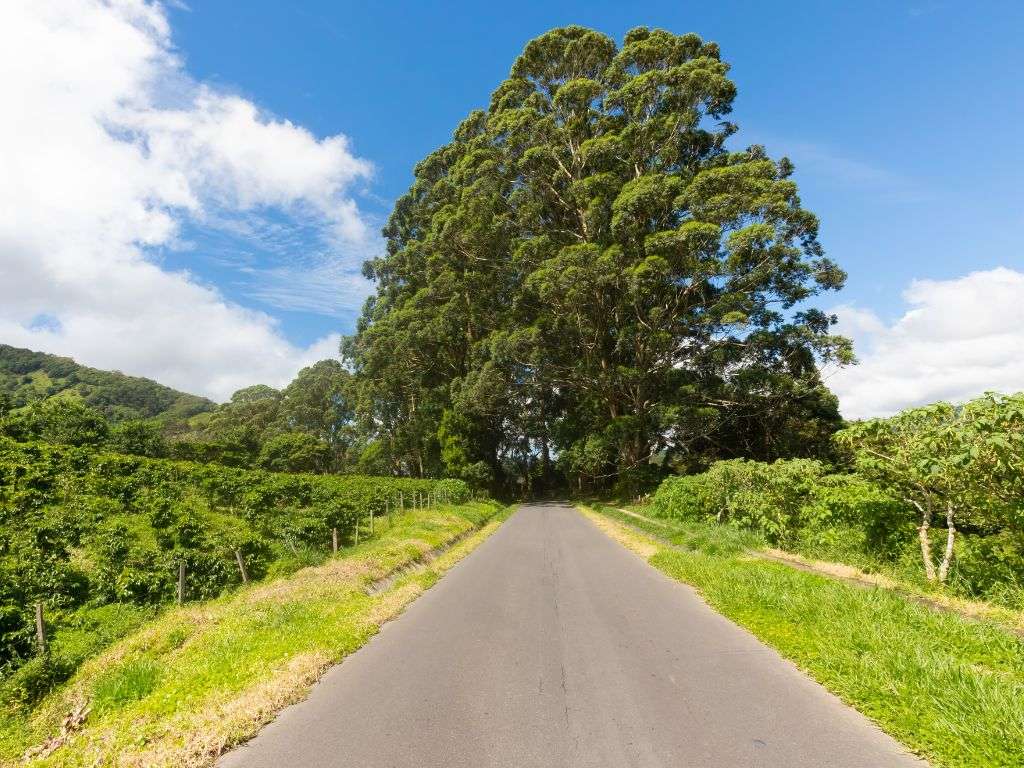
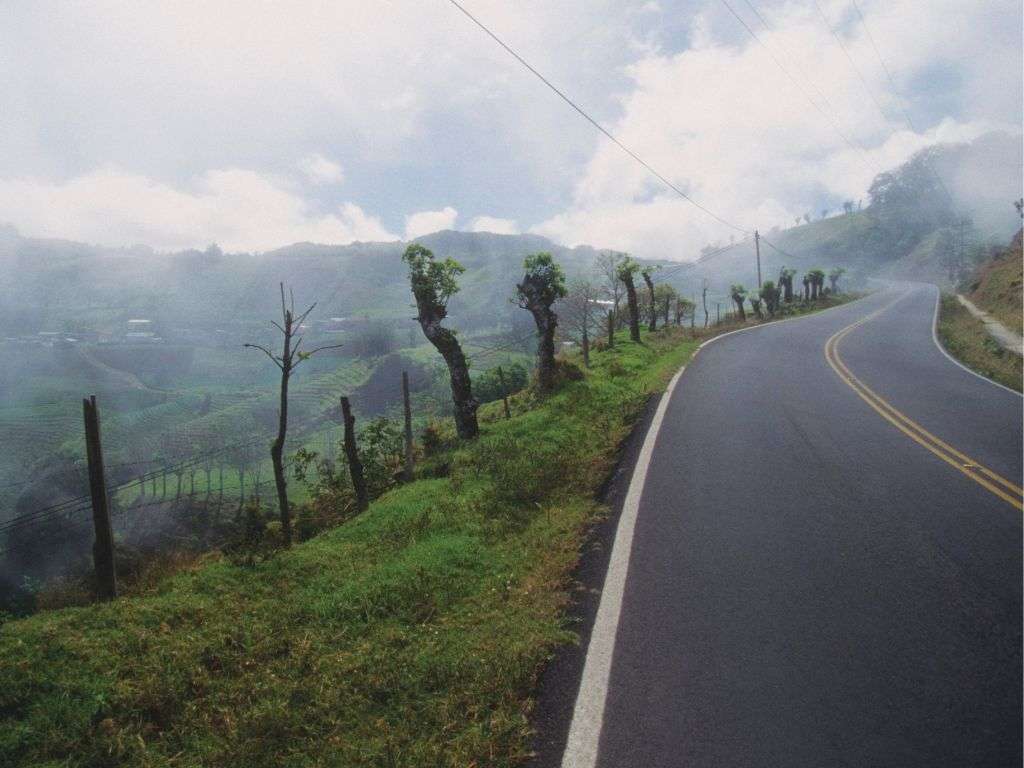
Costa Rican roads are much different than those in the United States or Canada. The national highway is a fine road, and the roads out of San Jose compare favorably to roads in the US.
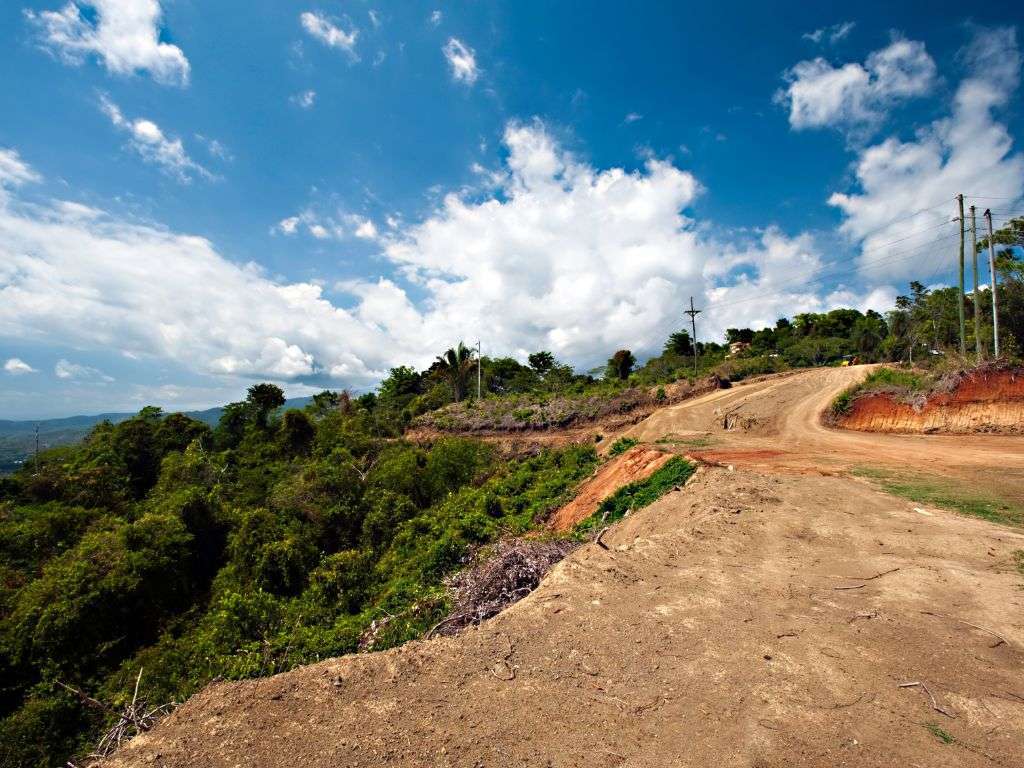
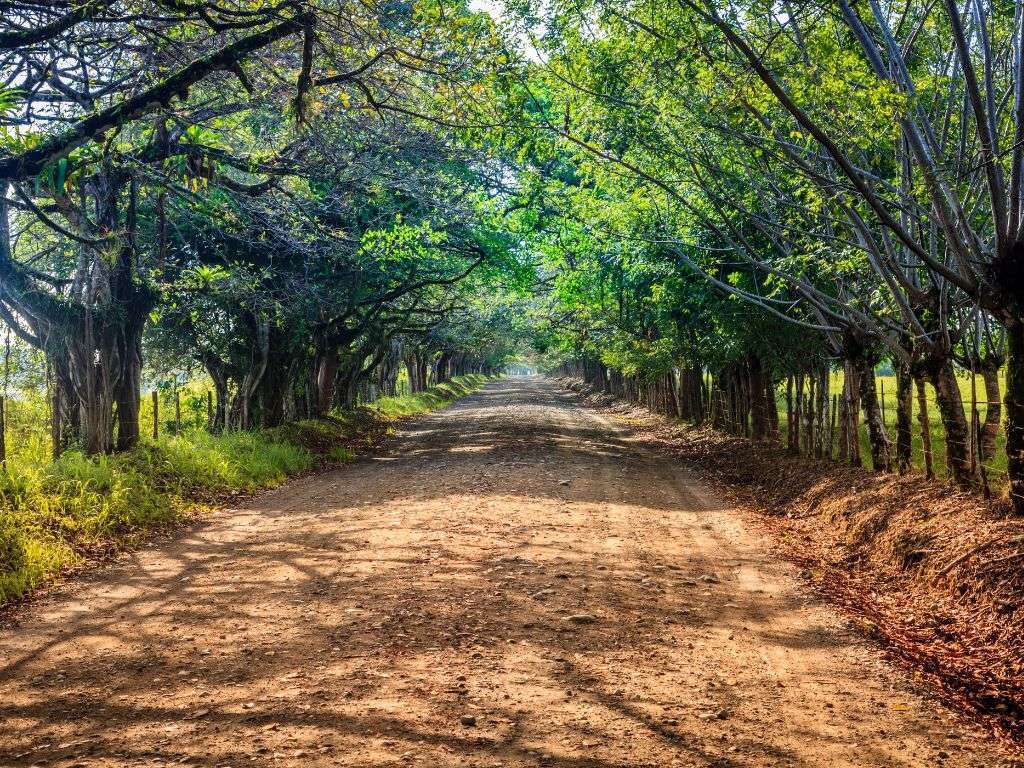
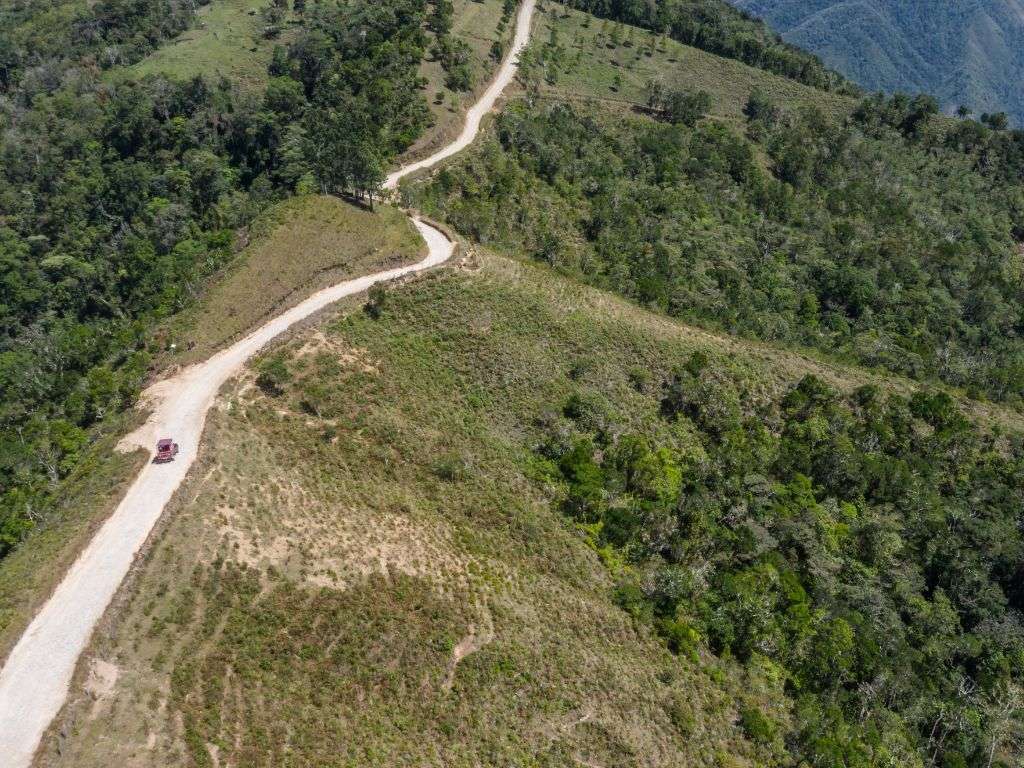
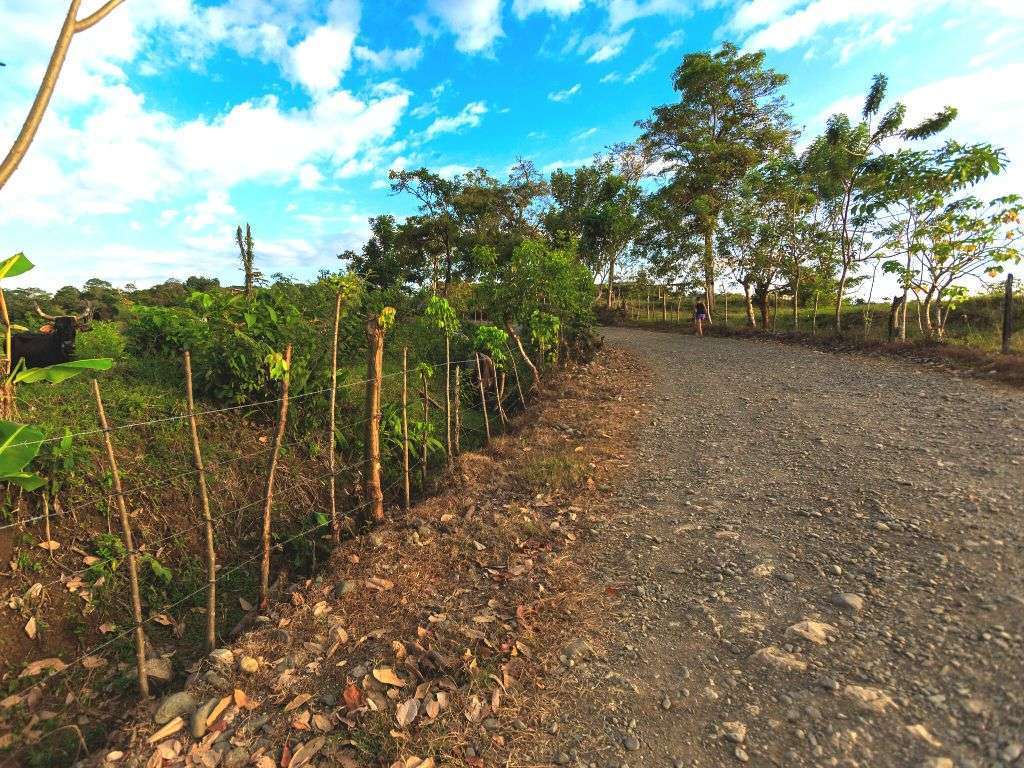
However, most other roads in Costa Rica have lower standards and can be more difficult to navigate. Many of them are dirt roads, which can be narrow and winding, with few road signs or markers.
Additionally, some of these backroads may lead through dangerous neighborhoods, so it is important to be aware of your surroundings when driving in Costa Rica.
It is also important to note that road conditions vary greatly depending on the route you take. Some Costa Rica highways are well-maintained and easy to drive on while others may require a 4×4 vehicle due to their rough terrain.
It is always best to research the specific route you plan on taking before setting off on your journey. Be prepared for the unique conditions of its roads.
3. Driving at Night
At night, the roads in Costa Rica become much less safe. There are very few street lights on many roads, making it difficult to see around corners or other potential hazards.
Plus, there is a higher risk of running into animals and people walking along the side of the road. Always be extra cautious when driving at night and take extra steps to protect yourself, like not drinking alcohol before driving.
Also, it is important to note that some roads may become flooded after heavy rains. To stay safe while driving Costa Rica at night, keep a close watch for flooding and mudslides, and be prepared to take alternate routes if necessary.
Pro Tip: Costa Rica is closer to the equator and the daylight hours are different than in North America or Europe.
It gets dark around 5:30 pm year-round. Plan accordingly so you don’t get stuck driving back from an excursion after nightfall.
4. Seasonal Safety
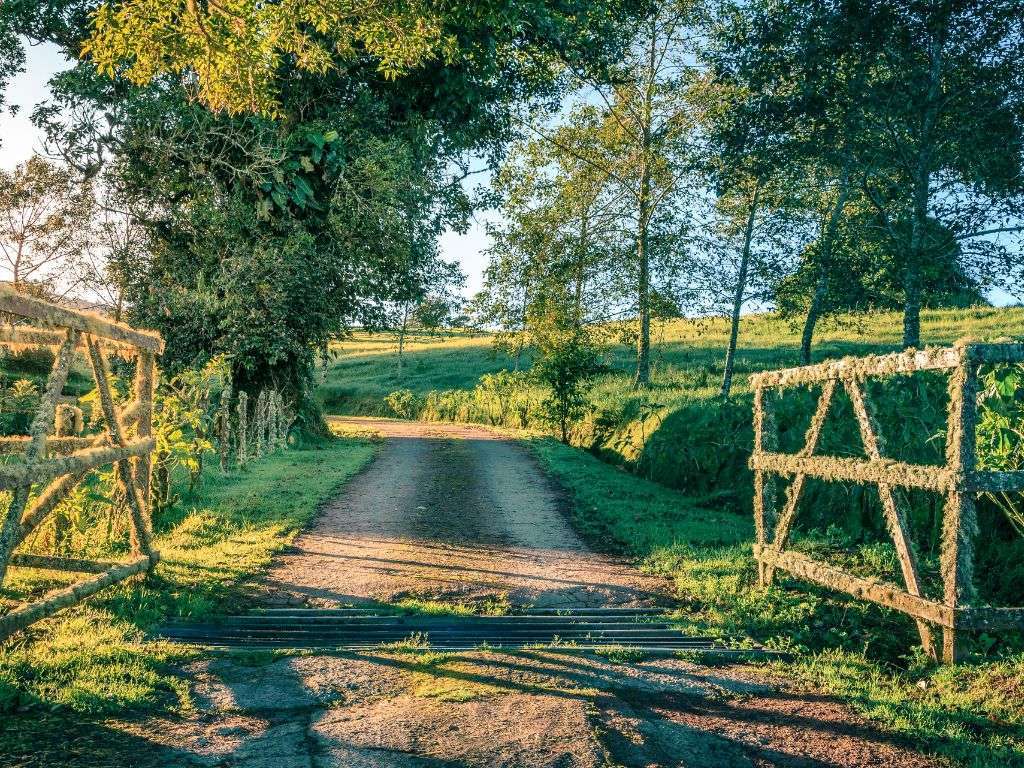
Visiting Costa Rica during the rainy season can be a great experience, but it’s important to be aware of the potential impacts on road safety.
Like Nicaragua, the rainy season in Costa Rica typically lasts from May to mid-November and is characterized by heavy rains and strong winds. This can make driving conditions more hazardous, as roads may become slippery or flooded.
When we were in Monteverde during the rainy season, a small landslide occurred in Santa Elena and the police were on site very quickly to help drivers detour around it safely.
Pro Tip: Drive with caution during this time of year and take extra precautions when navigating difficult terrain.
Although the weather can be unpredictable, the roads are generally well-maintained and provide good visibility for drivers.
It’s very important to drive carefully in order to avoid any potential hazards caused by wet roads or low visibility due to heavy rain or fog.
By taking the necessary precautions while driving in either country during the rainy season, Costa Rica travelers can ensure a safe and enjoyable experience.
5. Washouts and Landslides
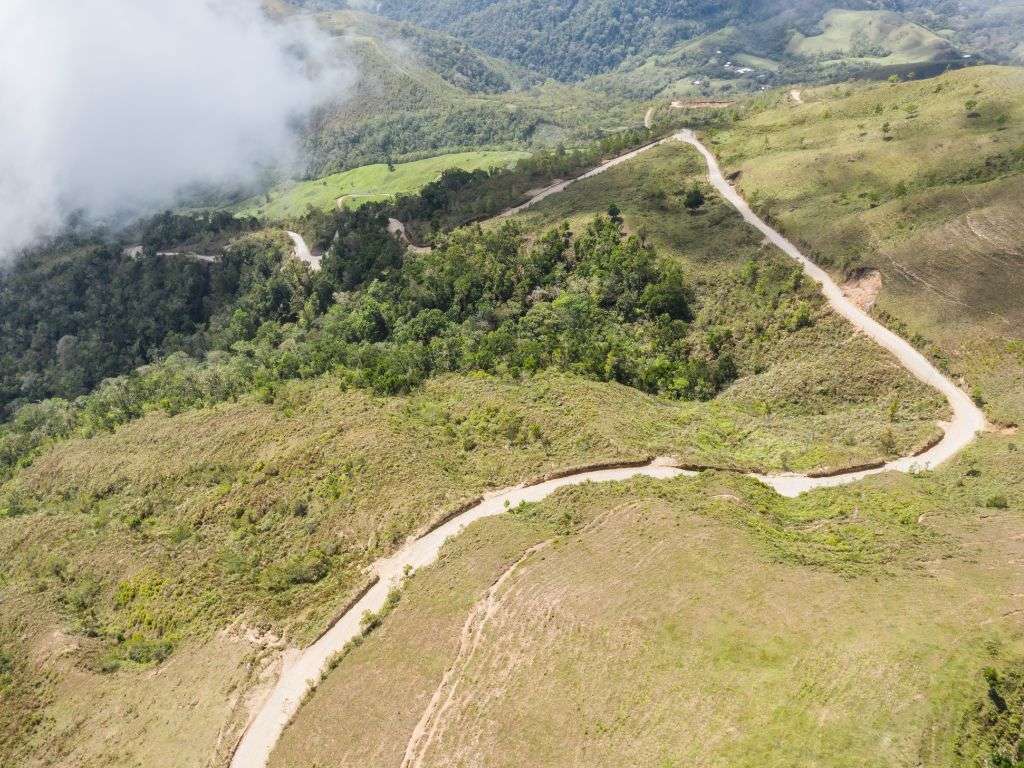
As I mentioned, the rainy season can make driving more hazardous. We encountered a washed out road in Monteverde, but thankfully the police were on scene directing traffic to an alternate route.
Roads and highways may be blocked by landslides or washouts due to heavy rain, so it’s important to take extra precautions and stay alert while driving.
The Costa Rican government has done a great job of maintaining its roads over the years, but there are still some instances of landslides and washouts that can make driving difficult.
Pro Tip: If you encounter a blocked road, stop and assess the situation before proceeding.
If necessary, try to find an alternate route or contact local officials for assistance.
If you’re visiting Costa Rica during the rainy season, always ask your hotel front desk or vacation rental host about known road closures or construction due to landslides.
This will help you determine the best route in advance of hitting the road!
6. Rivers in the Road
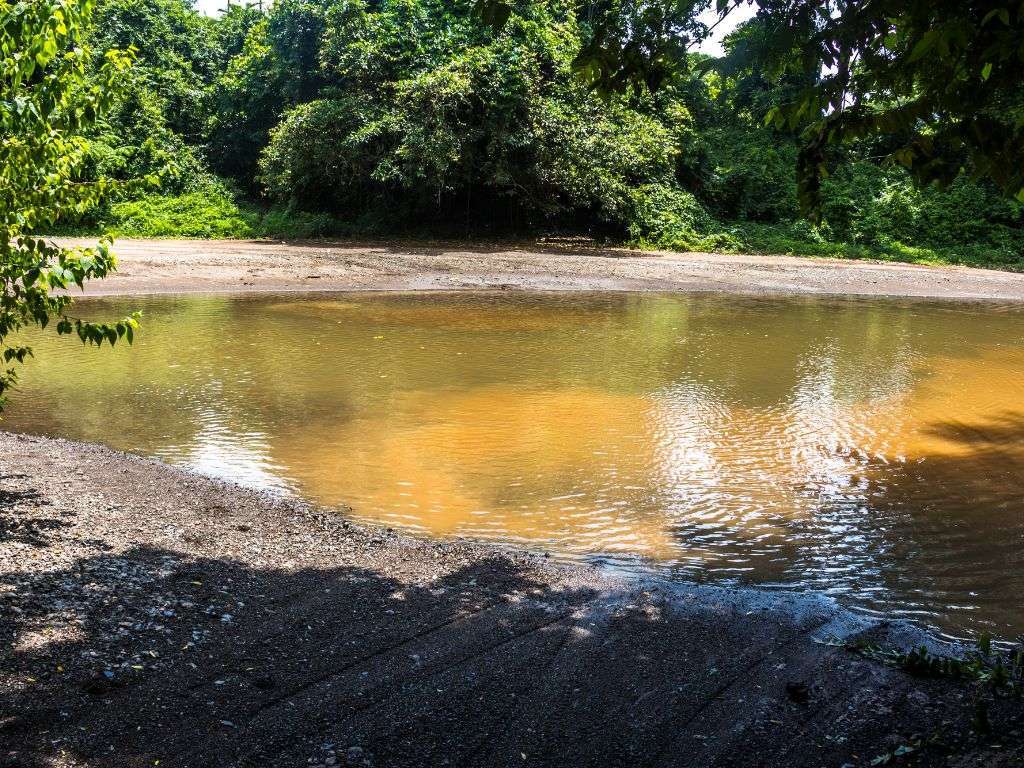
We often saw rivers in roads when driving to beaches on the Pacific coast near Uvita and Manuel Antonio in Costa Rica.
While these crossings were usually shallow enough for vehicles to pass through safely, they can still pose a risk if not navigated properly.
Driving across rivers and streams can be a daunting task, especially when you’re unfamiliar with the terrain.
It’s important to understand the risks associated with crossing these bodies of water and to take the necessary precautions to ensure your safety.
When driving across rivers and streams, it’s important to know when it is safe to do so and when it is not. In Uvita, we saw one river in the road that looked too deep to cross until we saw how an oncoming car handled it without issue.
When crossing a river or stream, you should always cross at designated fording points, where the road crosses the stream. This will help reduce the risk of getting stuck in mud or damaging sensitive habitats.
You should also avoid driving upstream as this can increase your chances of getting stuck in mud or damaging sensitive habitats.
Additionally, you should have your vehicle in 4WD and low-range before attempting a crossing. Tossing a stick into the water upstream can give you an idea of how fast the current is flowing, which will help determine if it is safe to cross.
If the water is too swift, find an alternate route. It’s important to remember that even small streams can become dangerous during heavy rains or flooding, so always use caution when crossing any body of water in your vehicle.
7. Watch Out for Motorcycles
Motorcycles are a popular form of transportation in Costa Rica, and it’s easy to see why. With their small size and maneuverability, they can weave between cars and pass on either side of cars and trucks.
However, this means that drivers need to be extra vigilant when driving in Costa Rica, as motorcycles can appear suddenly.
For those on vacation who are driving rental cars, it is important to be aware of the presence of motorcycles on the road. Always keep an eye out for them when changing lanes or making turns, as they may be hard to spot at times.
Pro Tip: Give motorcycles plenty of space when passing them. If you get too close, you could cause them to lose control and crash.
For car drivers, defensive driving is especially important when motorcycles are around. Be sure to use your turn signals well in advance so that motorcyclists have time to react accordingly.
Additionally, always check your blind spots before changing lanes or making turns; motorcyclists may be hidden from view in these areas.
Finally, try not to tailgate motorcyclists. If they have to brake suddenly due to traffic or other obstacles, you could end up rear-ending them.
8. Creative Usage of Hazard Lights and Turn Signals
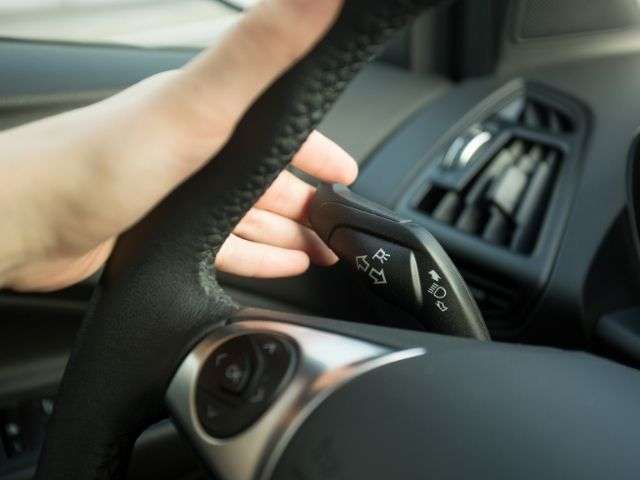
Driving in Costa Rica can be a unique experience. One of the most interesting aspects is how Costa Ricans use their hazard lights and turn signals.
Locals often put on their hazard lights to let the car behind them know of a problem up ahead, such as an accident or construction. This can be especially useful if you’re coming fast around a corner and traffic is stopped.
Pro Tip: Flashing headlights is also common practice to signal oncoming traffic of a problem.
This alternate approach to vehicle signaling may be confusing to Americans, who tend to use their hazard lights only when they are parked or broken down or rarely flash their headlights to signal other drivers.
It was certainly confusing for us when we first started driving in Costa Rica!
It’s important for drivers visiting Costa Rica to understand these differences in order to stay safe on the roads.
Overall, driving in Costa Rica requires patience and attentiveness, as well as knowledge of local customs like using hazard lights and flashing headlights.
9. Aggressive Drivers
In general, Costa Ricans are some of the friendliest people we’ve met. They’re known for being kind and helpful to tourists.
However, once they get on the road, things can be a bit different. While not intentionally dangerous, Costa Ricans tend to be more aggressive than assertive or defensive drivers.
They frequently take what tourists perceive to be huge risks while driving. Costa Rican drivers will often speed, pass on the shoulder or blind curves, and ignore posted traffic rules.
Pro Tip: Driving in Costa Rica is more like driving in Chicago, Los Angeles, or New York City as opposed to rural Kansas or a small town in Ohio.
If you haven’t driven in a major US city, then the general approach to driving in Costa will seem pretty unsafe to you.
It’s important to stay alert and use caution when driving in Costa Rica, as this kind of behavior can lead to dangerous situations if you aren’t sure how to respond.

10. Assertive Passing
Driving in Costa Rica can be a bit of a culture shock for tourists. One of the most important things to be aware of is the practice of assertive or aggressive passing on roadways.
This is especially true on highways and roads with two lanes, where drivers will often pass without warning, even if there is oncoming traffic. It’s important to be aware of this if you’re planning to drive in Costa Rica.
Pro Tip: If a driver appears to be aggressive or impatient, let them pass rather than risk an accident.
You can even use your left turn signal as a sign that they can pass you at their leisure (aka: fairly quickly). Yes, this is totally different than what happens in the US and Canada, but is also pretty commonplace in Costa Rica and throughout Central America.
By staying alert and using caution while behind the wheel, you can ensure a safe and enjoyable journey through this beautiful country.
11. Always Keep Your Cool
Driving in Costa Rica can be a very different experience than driving in the United States or Canada. Or even Europe! It is important to always keep your cool while driving, as it can help you stay safe and out of trouble.
First and foremost, it’s important to remain calm even when other drivers around you may not be. Aggressive driving is common in Costa Rica, so it’s important to maintain a safe distance and drive defensively.
Additionally, if another driver appears to be acting aggressive or impatient, it’s best to let them pass instead of trying to engage in an argument or altercation.
Pro Tip: The most important thing is keeping your cool.
It’s also important to remember that the roadways in Costa Rica can be unpredictable, so it pays to remain vigilant and stay focused on the task at hand. This means avoiding distractions such as using your phone or talking/texting while driving.
Finally, always obey traffic laws and regulations – even if other drivers around you are not doing so. We always follow posted speed limits, regardless of what other drivers are doing.
This is the best way to ensure your safety and avoid any potential legal issues while driving in Costa Rica.
12. One Lane Bridges
Driving on two-lane roads in Costa Rica can be an adventure. While most of the roads are paved and marked with lines, they often have one-lane bridges that require drivers to take turns crossing.
It is important to know the correct protocol for crossing these bridges, and what to do when an oncoming driver doesn’t follow the rules.
When approaching a one-lane bridge, it is important to slow down and look both ways before proceeding. If there is an oncoming car, you should wait until they have crossed before continuing.
Pro Tip: The car closest to the bridge has the right of way unless a sign says otherwise.
If you are further away from the bridge than another car, you should wait for them to cross first.
Unfortunately, not all drivers follow these protocols when crossing one-lane bridges in Costa Rica. If an oncoming driver does not stop or yield when approaching a bridge, it is important not to panic but rather stay calm and proceed cautiously.
You may need to drive slowly across the bridge while honking your horn or flashing your lights to alert them of your presence.
Foreign drivers in Costa Rica need to be aware of one-lane bridges and know how to properly navigate them.
By following the correct protocols and staying calm when other drivers don’t follow them, you can help ensure a safe journey on two-lane roads in Costa Rica.

13. Police Checkpoints
When driving in Costa Rica, you may encounter a police checkpoint. Police checkpoints are common throughout Costa Rica, as the government uses them to help ensure public safety and reduce crime.
It is important to know how to properly approach and navigate these checkpoints, so that you can maintain your safety and avoid any potential legal issues.
When approaching a police checkpoint, it is important to remain calm and follow instructions. The police may ask you to stop your vehicle and present your license, registration, and proof of insurance.
Pro Tip: If you’re driving your own, foreign-plated vehicle in Costa Rica, like we did, always have your temporary import permit (TIP) on hand to show at every checkpoint.
Be sure to have these documents on hand at all times when driving in Costa Rica, as the police may request them even if you are not stopped at a checkpoint.
It is also important to obey all traffic laws when driving in Costa Rica so that you do not draw the attention of the police. This includes obeying speed limits, wearing seatbelts, and signaling before turning or stopping.
If you are asked to pull over for a roadside inspection, be sure to stop in a safe and well-lit area. It is also important not to leave your vehicle until the police officers have properly identified themselves.
14. Fines and Penalties
If you are a foreign driver visiting Costa Rica, it is important to be aware of the fines and penalties for traffic violations. Driving in Costa Rica can be a challenge due to the narrow roads, steep hills, and lack of signage.
As such, it is important to know what happens if you commit an infraction. The most common traffic violations in Costa Rica include speeding, running stop signs or red lights, and driving under the influence of alcohol or drugs.
Pro Tip: Depending on the severity of the violation, fines can range from ¢327,713.96 (USD $500) to ¢280,000 (USD $425).
In addition to paying a fine, drivers may also receive points on their license which can lead to suspension or revocation if too many points are accumulated.
In some cases, a judge may also sentence a driver to prison for up to three years for serious offenses such as reckless driving or driving under the influence.
If an accident occurs due to negligence or recklessness while driving in Costa Rica, then the vehicle may be confiscated by authorities until all legal matters have been resolved.
It is important for foreign drivers visiting Costa Rica to be aware of these fines and penalties so that they can avoid any hassle or expense during their visit.

15. Maps and GPS
Navigating the roads in Costa Rica can be challenging, so it is important to have a reliable mapping system. The three best options for GPS navigation while driving in Costa Rica are Waze, Google Maps, and Maps.me.
Waze is the most popular GPS navigation app in Costa Rica, as it provides real-time traffic information from other users.
Google Maps and Maps.me are also good options for navigating in Costa Rica, though they may not have as much information about road closures or construction as Waze does.
Pro Tip: Always download offline maps of the areas you will be driving in case you lose cell service while on the road.
Having a physical map of the area handy is also recommended so that you can easily reference it if needed.
By using these reliable mapping systems, drivers visiting Costa Rica can avoid getting lost and ensure optimal vehicle safety when driving in Costa Rica.

16. Driving Anywhere Takes Longer
If you’re planning a vacation to Costa Rica and plan to explore the country by car, be sure to give yourself plenty of time. I’ve found that estimating 1.5x longer than Google maps quotes are generally pretty accurate.
The roads may not be as well-maintained or direct as you’d expect, so it can take longer than expected to get from one place to another due to traffic or some other hazard.
Pro Tip: To get the most out of your time in Costa Rica, especially if you’re only there for a week, plan a maximum of two different areas and stay there for three days each.
For example, you could spend three days near Liberia and the Arenal Volcano area or three days doing day trips from San Jose and three days in Manuel Antonio.
If you plan to visit Puerto Viejo on the Caribbean coast, plan to spend the bulk of your trip there. our drive there from San Jose was supposed to take six hours but was closer to eight hours.
That way, you’ll be able to get the most out of your Costa Rica road trips without having to spend too much time in the car.

17. International Driver’s License
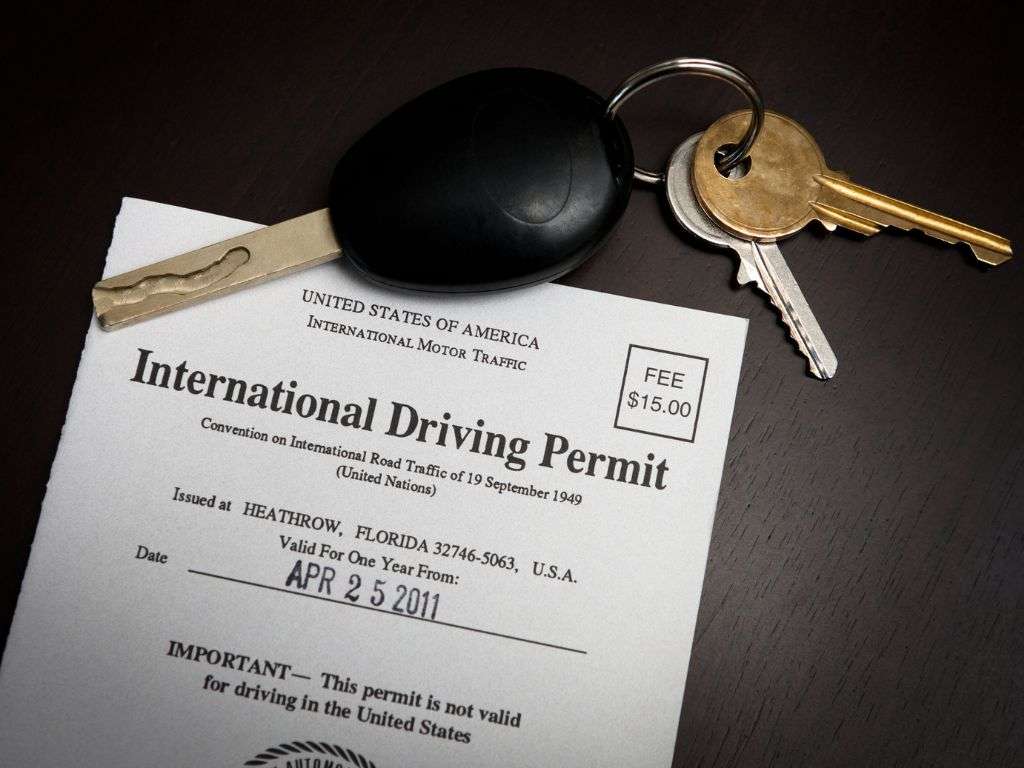
An International Driver’s License is an official document used by countries all over the world to validate your driver’s license information when renting a car or driving in that country.
In Costa Rica, foreigners are not required to have an international driver’s license as long as they can present their valid home country driver’s license.
It is recommended to bring a certified translation of your license if it is not in Spanish, although we didn’t do this and didn’t have any issues.
It’s always important to obey the traffic laws and regulations when driving abroad, and Costa Rica takes road safety seriously.
Pro Tip: Driving without a valid driver’s license can have serious consequences, including fines or even imprisonment.
To be safe, always carry both your home country driver’s license and a certified translation of it when driving in Costa Rica.
Another important thing to remember is that the legal blood alcohol limit in Costa Rica is 0%. Driving under the influence can result in jail time, so be sure to stay sober while behind the wheel!
18. Gas Stations are Full Service
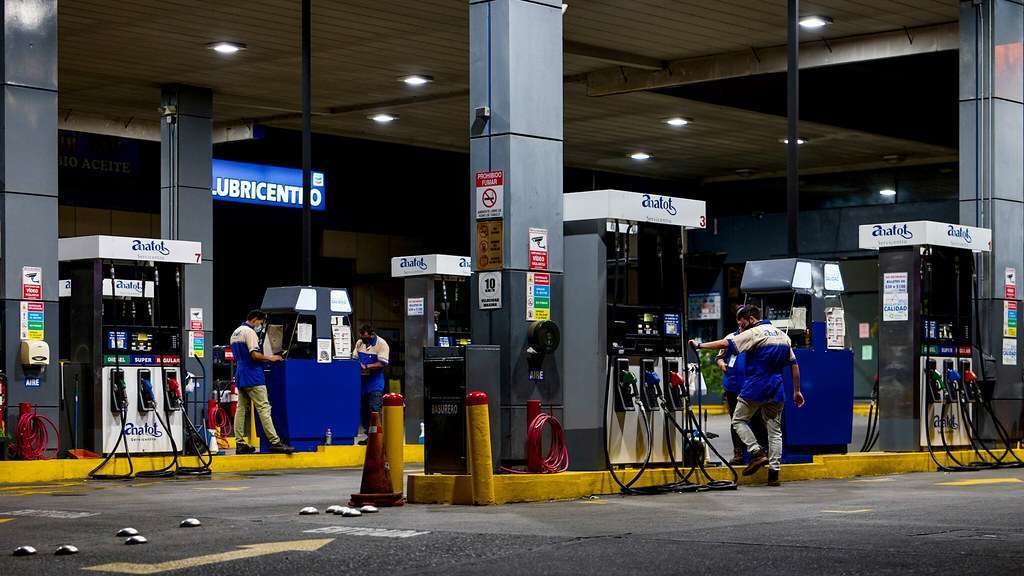
As is common throughout Mexico and all of Central America, gas stations in Costa Rica are full-service. This means that you will not be able to pump your car’s gas.
Whenever you need to fill up, either pull over at a roadside service station or drive into an attended filling station.
When fueling, just tell the attendant how many gallons (or liters) of fuel you’d like. Or say “lleno” (yay-no) which means you want a full tank.
Pro Tip: Always verify that the pump is at 0.00 before the attendant begins filling to ensure you aren’t overpaying for gas.
If you plan to pay with a credit card, ask them if the gas station takes credit cards before pumping begins. We say “tarjeta esta bien?” which means “are credit cards okay?”
The attendants will even handle the cash payment or the credit card payment with a handheld machine.
Note that the gas station convenience shops are not run by the gas stations, so even if the station takes cards you may have to pay cash for snacks or drinks inside.
19. Roadside Vendors
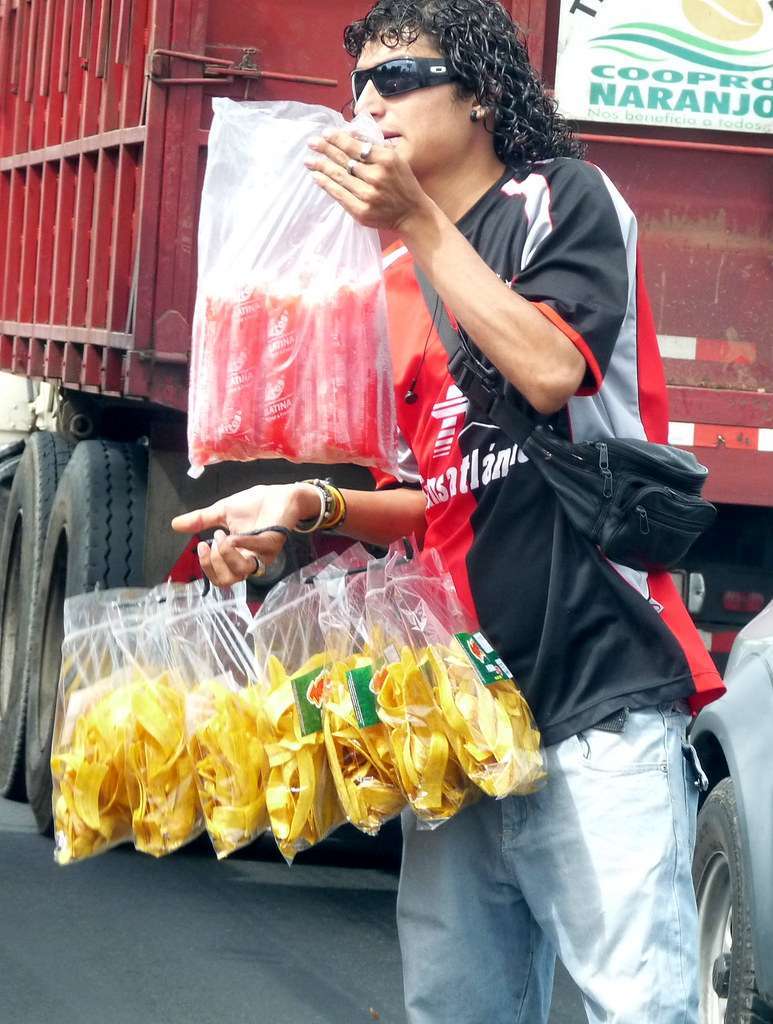
One of the things we love about Central America, especially Costa Rica, is vendors are walking in the road who sell snacks and drinks. Sometimes they have a roadside stand, too.
It’s typically done in slow-traffic areas, like towns or at speed bumps. You can buy a drink, some fruit, or a homemade snack without even getting out of your car.
I know this sounds weird to North Americans obsessed with sterility in their foods and drinks, but it’s not that bad. We’ve bought things from roadside vendors many times during our Pan-American Highway road trip!
Just make sure that you drive slowly when the vendors are in the road, and have small bills handy for ease of making a purchase.
20. Signage is Sporadic
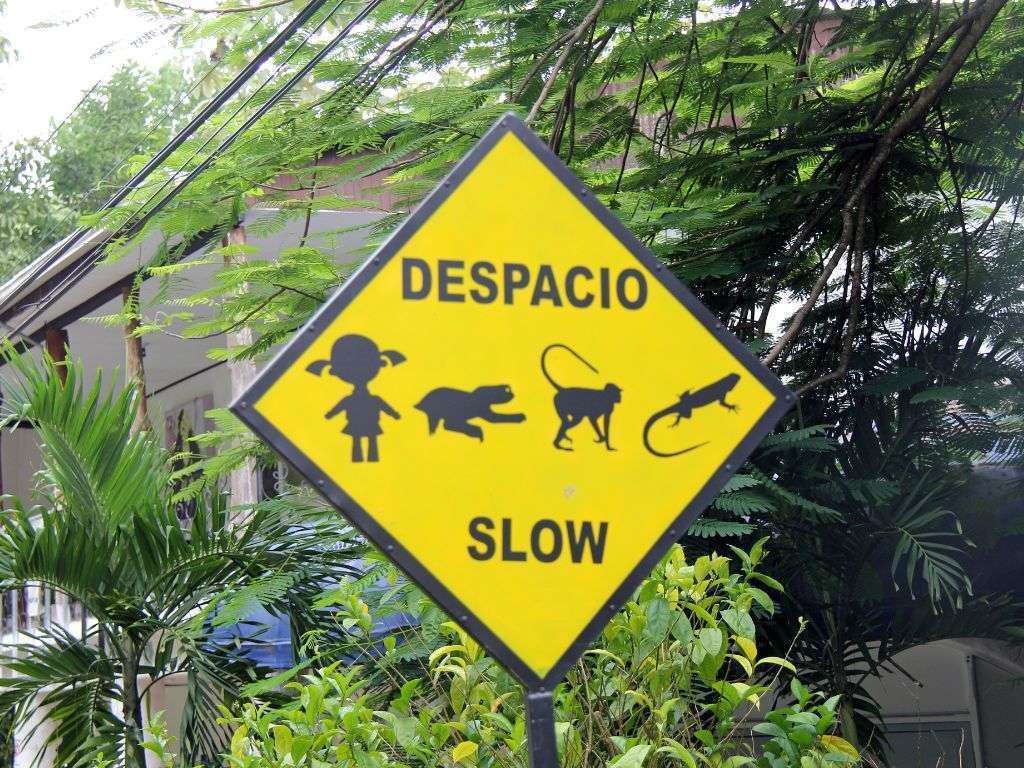
Driving in Costa Rica can be a challenge for tourists, especially when it comes to road signs. In many places, road signs are either missing or sporadic, making it difficult for drivers to know where they are going.
This is especially true in rural areas, where roads may not be well-maintained and signs may not be present.
In some cases, the lack of road signs can be attributed to the fact that many of the roads in Costa Rica are unpaved and not maintained by the government.
This means that there is often no one responsible for putting up or maintaining road signs.
Pro Tip: Some of the roads are so remote that there is no need for a sign as there is very little traffic on them.
Despite this issue, it is still possible for tourist drivers to safely navigate Costa Rica’s roads without relying on road signs. One way to do this is by using GPS navigation systems such as Google Maps or Waze.
These apps provide detailed directions and can help drivers find their way even when there are no visible road signs.
Additionally, drivers should also familiarize themselves with common traffic symbols used in Costa Rica such as “Alto” (stop) and “Calle Sin Salida” (dead end).
Knowing these symbols can help drivers understand what they mean even if they don’t see any physical signs along the way.
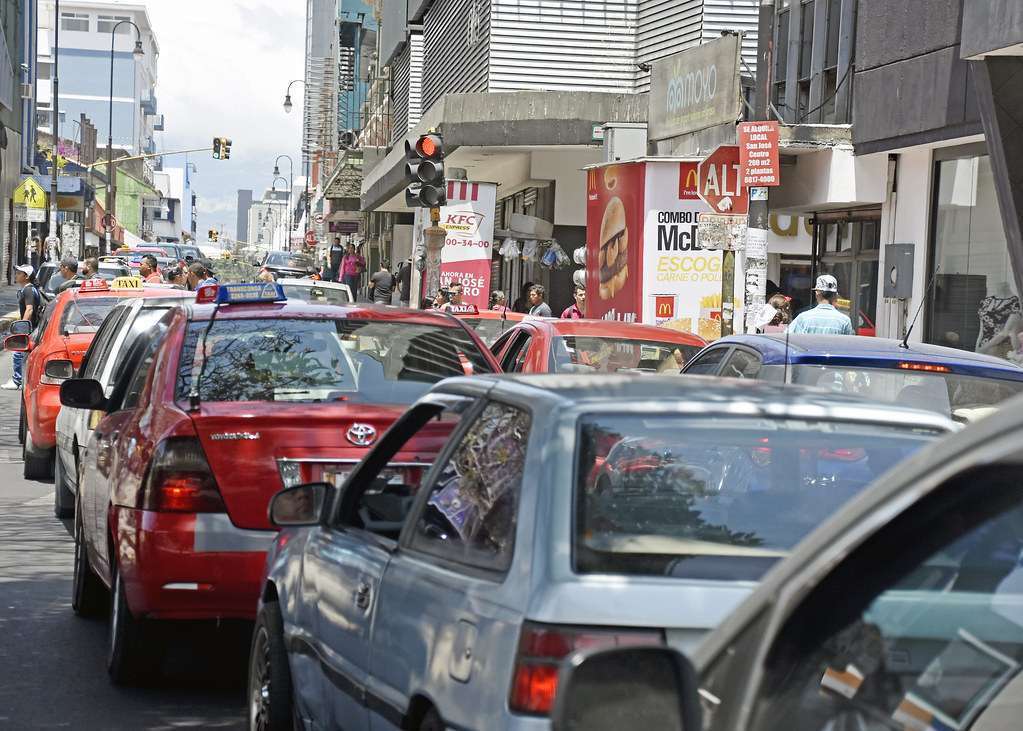
21. Costa Rican City Driving
Navigating traffic in San Jose, Costa Rica can be a daunting task for foreign tourist drivers. The roads in and around the capital of San Jose are generally nice and smooth, but there is still a lot to consider when driving.
It is important to remember that there is no requirement for an international driver’s license, so it is essential to be familiar with the driving rules in Costa Rica as well as other related local laws and regulations.
Pro Tip: When driving in San Jose, be aware of aggressive drivers as well as motorcycles passing on all sides simultaneously.
To ensure safety while navigating traffic, it is best to drive defensively and remain alert at all times.
And, you should stay within the speed limit and avoid sudden stops or starts. It can also help to plan ahead by allowing extra time for travel and avoiding peak rush hours if possible.
Lastly, always ensure you have your valid driver’s license with you at all times while driving in Costa Rica. This will help avoid any potential issues with law enforcement or other authorities.
22. Accidents
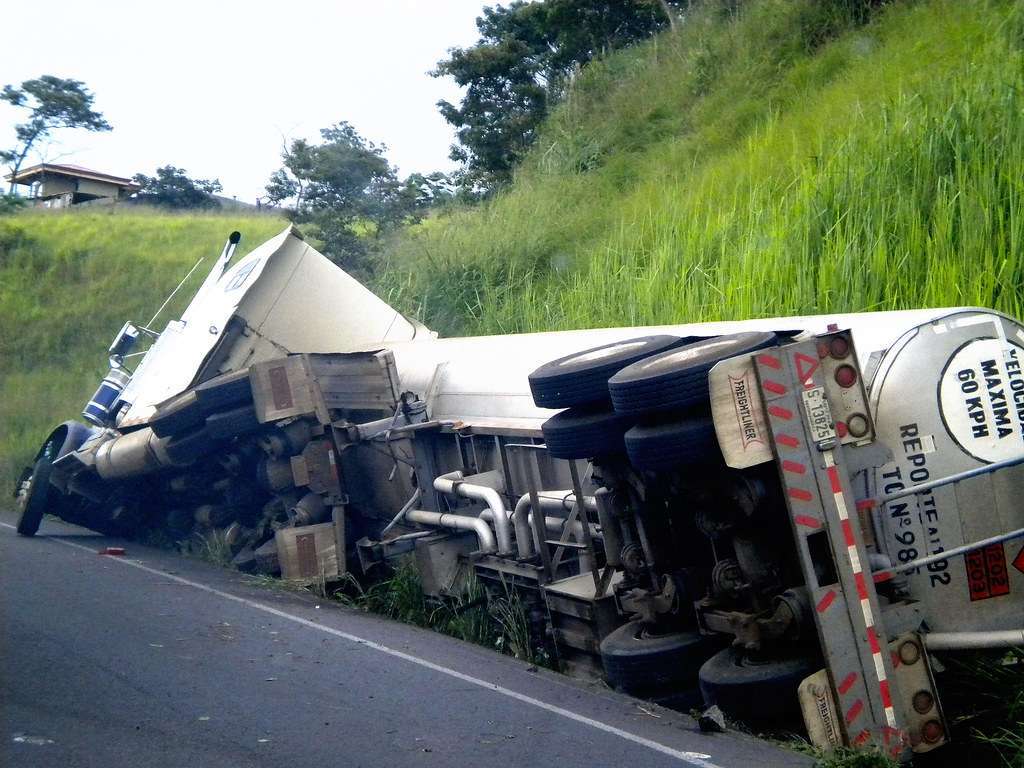
If you’re a foreign tourist driving in Costa Rica and get in an accident, the first step is to call 911 and your rental car company.
Your rental car agency should provide all the necessary emergency numbers and other helpful information in case of an accident, as it’s required by law that they do so.
It’s important not to move your car after an accident – even if you are blocking traffic. This is so that the authorities can do a proper investigation of the scene to determine who or what was at fault for the accident.
The police and an insurance agent may come to assess the accident and damage, and depending on how severe the accident was, your rental car company may send out a representative and provide you with another car if yours is beyond repair.
Pro Tip: If any injuries are sustained due to the accident, seek medical help right away.
In Costa Rica, all public and private hospitals are required to offer emergency services 24/7. If you’re unsure which hospital to go to, ask the police for assistance.
Also, make sure you contact your local embassy or consulate after an accident. They can provide you with additional resources and support if necessary.
Lastly, after an accident, you can’t leave the country until the claims are settled. There’s often a backlog of settlements. So if you’re in the wrong and the other insurance company files a claim then you may have to stay there for a while.
23. Protect Your Valuables
Never leave valuables in your car, even at the beach or a restaurant. Or even the grocery store when you plan to run inside “just for a moment.”
Keep all important documents on you at all times, such as your driver’s license, passport, and credit cards. It is also a good idea to take pictures of these items so that if they are lost or stolen you can provide authorities with a copy.
Finally, make sure you keep your valuables out of sight by placing items in the car trunk or glove compartment, and be sure to lock your car doors whenever you leave it.
Pro Tip: While Costa Rica isn’t inherently dangerous, there are opportunistic people everywhere in the world who prey on unsuspecting tourists.
I almost had my phone stolen in Mexico City, until our Uber driver rolled up my rear passenger window as he saw a motorcyclist approach. He told us that grab and drive is a common form of opportunistic theft in Mexico City and around Latin America.

24. Parking Restrictions
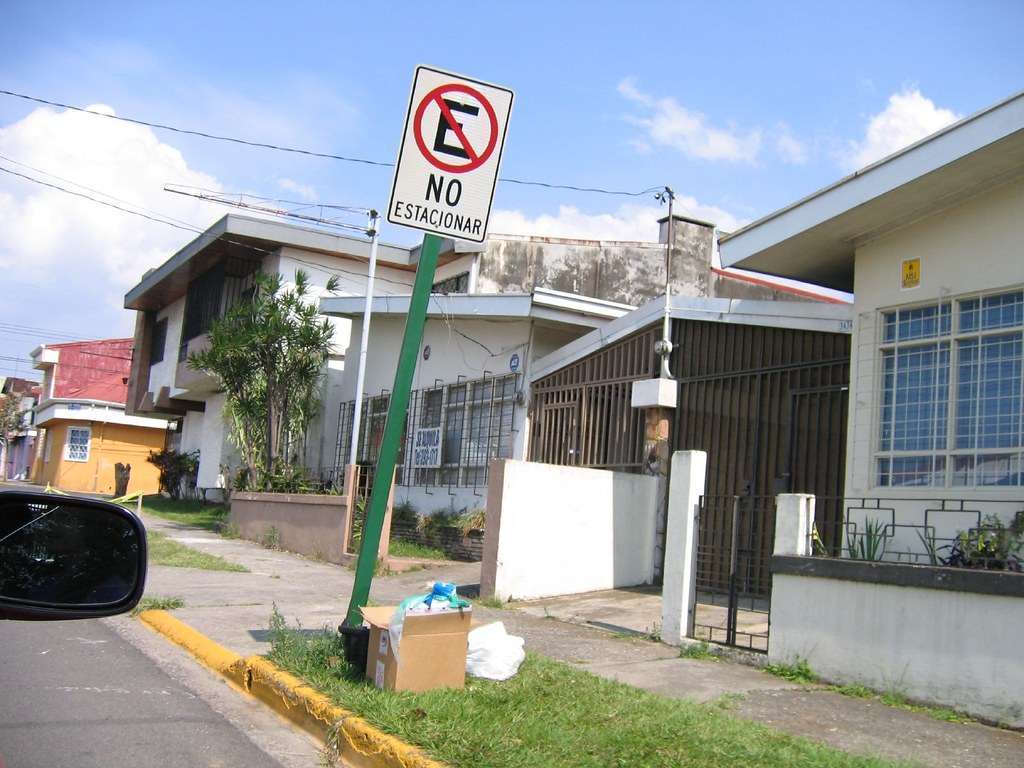
Driving in Costa Rica can be an adventure and a great way to explore the country, but it is important to understand that the traffic police (transito) take parking restrictions seriously.
Note: If you park illegally, not only will you get a ticket, but they will also remove your license plates. You’ll have to pay a lot to get them back. This happened to my friend in 2023!
To avoid this hassle (and additional costs from rental companies), look out for yellow-painted curbs and signage that indicate restricted parking zones. This includes being too close to a fire hydrant, taxi stand, loading zone, or bus stop.
In some cities, you may also need to purchase a small piece of paper to authorize your parking. If this process is too daunting, find yourself a private lot instead. There are often plenty around, especially in areas where parking on the street is hard to find.
This way you can enjoy your vacation without having to worry about fines or inconveniences caused by improper parking!
25. Driving Side of the Road
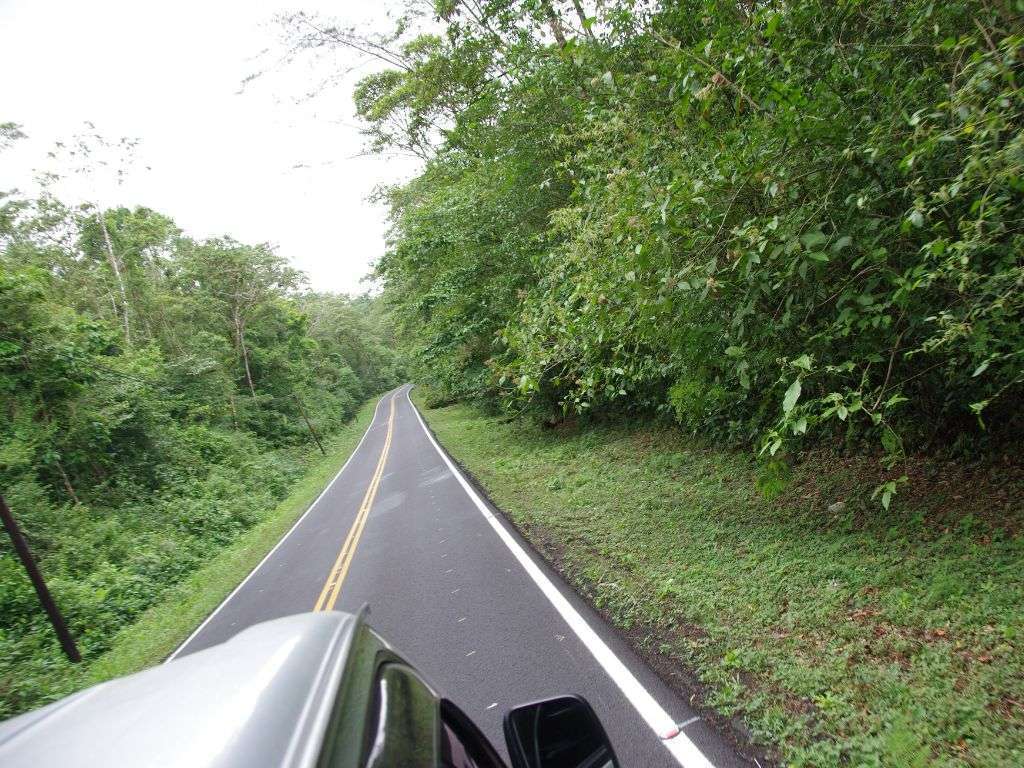
In Costa Ricans drive on the right side of the road. The Costa Rica driving side is just like most countries in the American continents (except a few islands in the Caribbean).
This may sound obvious, but if you’re from a country that drives on the left (such as the UK or Australia), it can take some mental effort to get used to driving on the opposite side of the road.
If you do find yourself confused, pull over and take a few deep breaths. At least you won’t be the only one. Other tourists rent cars in Costa Rica and have had the same confusion!
Is it Safe to Drive in Costa Rica: FAQs
Still have questions about the safety of driving in Costa Rica? I’ve addressed some of the frequently asked questions below.
Is driving in Costa Rica safe?
Yes, driving in Costa Rica is generally safe. However, it’s important to be aware of the road conditions, local traffic laws and practice defensive driving at all times.
Can I drive in Costa Rica with a US license?
Yes, you can drive in Costa Rica with a US license as long as it is valid. If it expires while you are in Costa Rica, then you are required to obtain an international driver’s license.
Does Google Maps work in Costa Rica?
Yes, Google Maps works in Costa Rica. However, you should be aware that the accuracy of some of the information may vary depending on your location. Waze and Maps.me are good alternate options for mapping.
What if I don’t want to drive in Costa Rica?
If you don’t want to drive in Costa Rica, you can take a taxi, a bus, or a shuttle service.
👉 I recommend GetTransfers for booking transfer shuttles.
Can I hire a driver in Costa Rica?
Yes, you can hire a driver in Costa Rica. Or even a private shuttle service. Many rental car companies also offer this service for an additional fee. It’s recommended to do some research and ask around for the best rates.
👉 I recommend GetTransfers for booking transfer shuttles.
Is a four-wheel drive necessary in Costa Rica?
No, a four-wheel drive is not necessary for Costa Rica. However, it will be easier and safer to drive in Costa Rica if you do have one. At a minimum, get a vehicle with high clearance. Do not rent a sedan or compact vehicle.
Should I rent a car and drive in Costa Rica?
Yes, if you plan on exploring the country and want to have flexibility in your travel plans, renting a car and driving in Costa Rica is a great choice. This is sometimes called Costa Rica self drive.
However, make sure you understand the local traffic laws and practice defensive driving at all times.
👉 I recommend using Discover Cars for renting a car on your trip!
Are taxis safe in Costa Rica?
Yes, taxis in Costa Rica are generally safe. However, it is recommended to only take taxis from reputable companies, such as Taxi Libre or Taxi Green.
Make sure you check the license plate and fare before getting in. It’s best to avoid street taxis and unlicensed drivers, as they may not be insured.
What documents do I need to rent a car in Costa Rica?
To rent a car in Costa Rica, you will need to present your driver’s license or international driving permit, passport, and proof of insurance.
Are roads well maintained in Costa Rica?
In general, the roads of Costa Rica are well maintained. However, some rural areas may have unpaved roads, so it’s important to check the condition of the road before heading out.
Be sure to watch out for potholes and bumps, as these can cause damage to your vehicle.
Is jungle driving difficult in Costa Rica?
Jungle driving can be challenging in Costa Rica, as the roads are often narrow and steep. Only attempt jungle driving in a 4×4, high-clearance vehicle.
It’s important to maintain a slow speed, keep an eye out for animals, and avoid driving at night. It’s also recommended to bring a buddy in case of any emergencies.
Do I need insurance for renting a car in Costa Rica?
Yes, it’s required to get insurance when renting a car in Costa Rica. We had to buy it at the border just to enter the country!
If you don’t have your own insurance policy, you can purchase basic coverage from the rental car company.
Should I be aware of any road rules or regulations when driving in Costa Rica?
Yes, it is important to familiarize yourself with Costa Rica’s traffic laws and regulations before driving in the country. Make sure you understand the speed limits, the rules of passing, and the laws regarding drunk driving.
Are there any speed limits in Costa Rica?
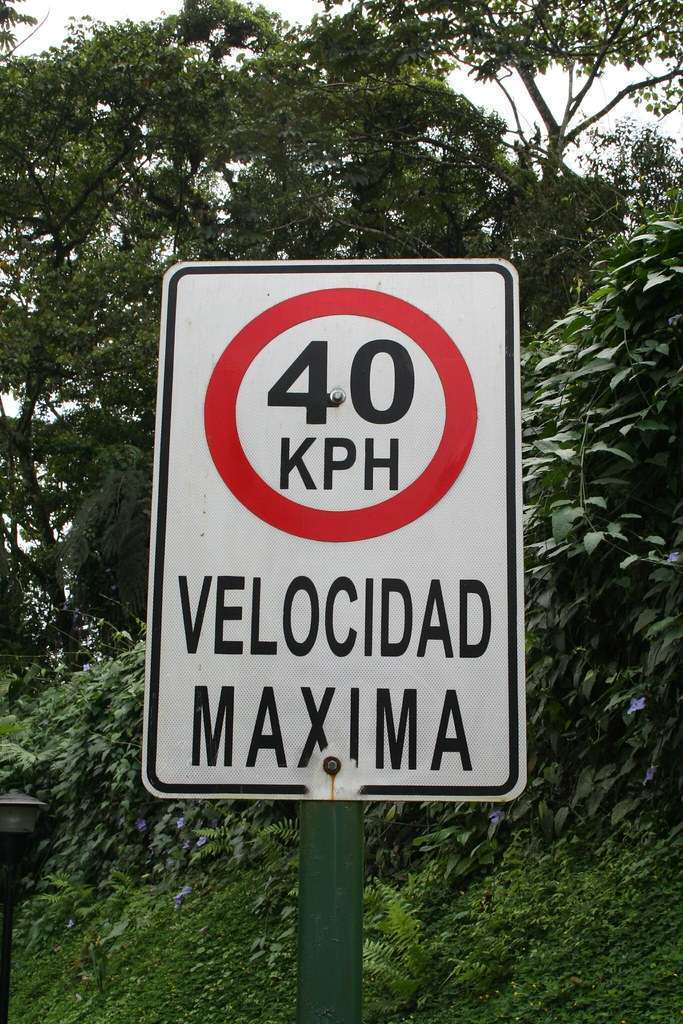
Yes, speed limits vary across Costa Rica. The maximum speed limit is generally 80 km/h (50 mph) on highways, with lower speed limits in urban areas.
That said, and you should always keep an eye out for signs to tell you the speed limit in the area(s) you’re actually driving.
What is the legal blood alcohol limit when driving in Costa Rica?
The legal blood alcohol limit for driving in Costa Rica is 0.08%. If you are caught driving with a blood alcohol level above the legal limit, you will face serious penalties.
It’s important to avoid drinking alcohol before driving in the country.

Do I need to carry an extra set of car keys while driving in Costa Rica?
Yes, it is recommended to carry an extra set of car keys while driving in Costa Rica. This way, you can easily get out of any situation if, for example, you lock your keys in the car or lose them.
It’s also a good idea to keep your spare key hidden somewhere on your person or in your car.
Is it necessary to turn on my headlights while driving in Costa Rica?
Yes, it is necessary to turn on your headlights while driving in Costa Rica, even during the day.
Not only will this help you stay visible to other drivers, but it is also a legal requirement in the country. Failure to do so may result in fines or even jail time.
Can you drive to Costa Rica from the US?
Yes, absolutely! Driving to Costa Rica is a really fun adventure. We did it as a family of three in our Toyota 4Runner.
Check out our other Latin American driving tips for Mexico driving, Guatemala driving, and El Salvador driving.
👉 While we have global health insurance for our day-to-day lives, we also elect travel insurance with SafetyWing for our spurts of fast travel adventure!
Conclusion: Is it safe to drive in Costa Rica?
Overall, driving in Costa Rica can be a safe and enjoyable experience if you take the necessary precautions. We did it for three whole months, during the rainy season, with no issues at all!
Make sure to familiarize yourself with the rules of the road, observe speed limits, and always drive defensively.
Additionally, it is important to get insurance when renting a car and never drive at night, or in the jungle without a 4×4, high-clearance vehicle.
👉 I recommend using Discover Cars for renting a car on your trip!
By understanding and following these tips, you can make your driving experience in Costa Rica a safe and memorable one.
Safe Travels! 🚗


