
Our Offbeat Life contains affiliate links & participates in the Amazon Services LLC Associates Program & other affiliate programs. If you buy something using an Amazon or other link, we may receive a commission at no extra cost to you. See our Disclosure for more details.
What is Worldschooling & What Isn’t It?

What is worldschooling? It’s a question that more and more parents are asking these days. With the world at our fingertips, it makes sense to want to explore it with our children.
Worldschooling (aka: world schooling) is a term used for when a child is educated outside of traditional school settings.
My family has been worldschooling full-time since 2019. It’s an amazing lifestyle with many benefits, including flexibility, opportunities for learning about new cultures, and building independence.
So many people have asked us about worldschooling over the last few years that I had to share everything I know about it for more people to learn about it.
In this blog post, I’ll discuss all of the things you need to know about worldschooling! So let’s jump in!
What is Worldschooling?
The term “worldschooling” was first coined by educational researcher Dr. Peter Gray in 2008. We even interviewed him on our podcast about worldschooling!
Dr. Gray works at Boston College and has done extensive research on the benefits of unschooling (a type of homeschooling where children learn through self-directed play and exploration, rather than structured lessons).
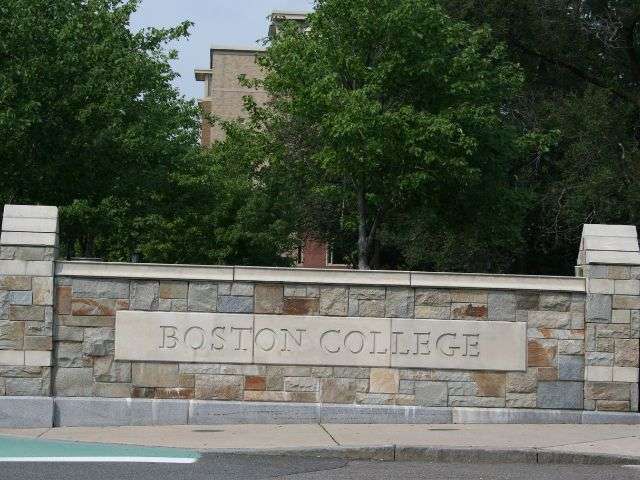
In his research, Dr. Gray found that “worldschooling” is a growing trend among families who want to provide their children with an education that incorporates travel and global experiences in their children’s education.
It refers to the practice of educating children outside of traditional school settings, using the world as the classroom. But it’s so much more, too!
In addition, worldschooling often includes elements of unschooling, as the focus is on learning through exploration and real-life experiences.
While every worldschooling family is unique, some of the sentiments they share in common often include:
☑️ A desire to travel
☑️ A wish to introduce children to the wider world around them
☑️ A holistic approach to learning
☑️ A preference for experiential learning to solidify knowledge
☑️ A need for flexibility in exploring children’s talents that traditional schooling cannot provide
☑️ A desire to understand and become sensitive to other world-views
Worldschooling has become increasingly popular in recent years, as more and more parents are looking for alternatives to traditional education.
There are many reasons why parents choose to worldschool their children, including the flexibility it offers, the opportunities for learning about new cultures, and the chance to build independence.
In short, Worldschooling is providing and finding education from the real world while you travel within it on a full-time basis.

What Worldschooling is NOT
Although some people have tried to expand the definition in recent years, worldschooling is not traveling sporadically while maintaining a full-time home base.
While some people believe you can go to school on weekends and worldschool during school breaks, that’s not part of the idea. That’s just a super cool, part-time travel life, but NOT worldschooling.
Taking the occasional world journey, such as an annual family vacation, but homeschooling with a focus heavily on subjects like geography, social studies, and world culture is also not technically worldschooling.
Lastly, worldschooling is not moving abroad to another country and enrolling your kids in school. Technically, that’s being an expatriate (aka: expat) or an immigrant.
These are all valid and amazing ways to raise and educate children. However, they aren’t technically worldschooling.
Struggling to plan your travel adventures?
As a former HR Director and full-time worldschooling mom since 2019, I’ve got answers. You don’t need to do this alone.

15 Benefits of Worldschooling
There are many benefits to worldschooling, both for children and families. If you’re still trying to decide if worldschooling is right for your family, here are some of the many benefits worldschooling has to offer.
1. Flexibility
One of the biggest advantages is the flexibility it provides. Families who worldschool are not tied to a specific location, which means they can travel and explore as much or as little as they want.
Our only real limitation is how long we can stay in a country due to their visitor or tourist pass allowances. Typically, we can stay in most countries for 30-90 days although in some places we can stay longer.
For example, Mexico and Panama allow us to stay for 180 days. In addition, Albania and the country of Georgia allow us to stay for a year!
2. No Homework
There’s also no homework. Worldschooling families often find that their children learn better when they’re not confined to a classroom and can explore topics that interest them.
This type of learning can also be more engaging and motivating for children.
3. Hands-On Learning
Another big benefit of worldschooling is the hands-on learning that occurs. When children are learning in the real world, they have the opportunity to make mistakes and learn from them.
This type of experiential learning can be very powerful and is often how children learn best.
4. Experience New Cultures
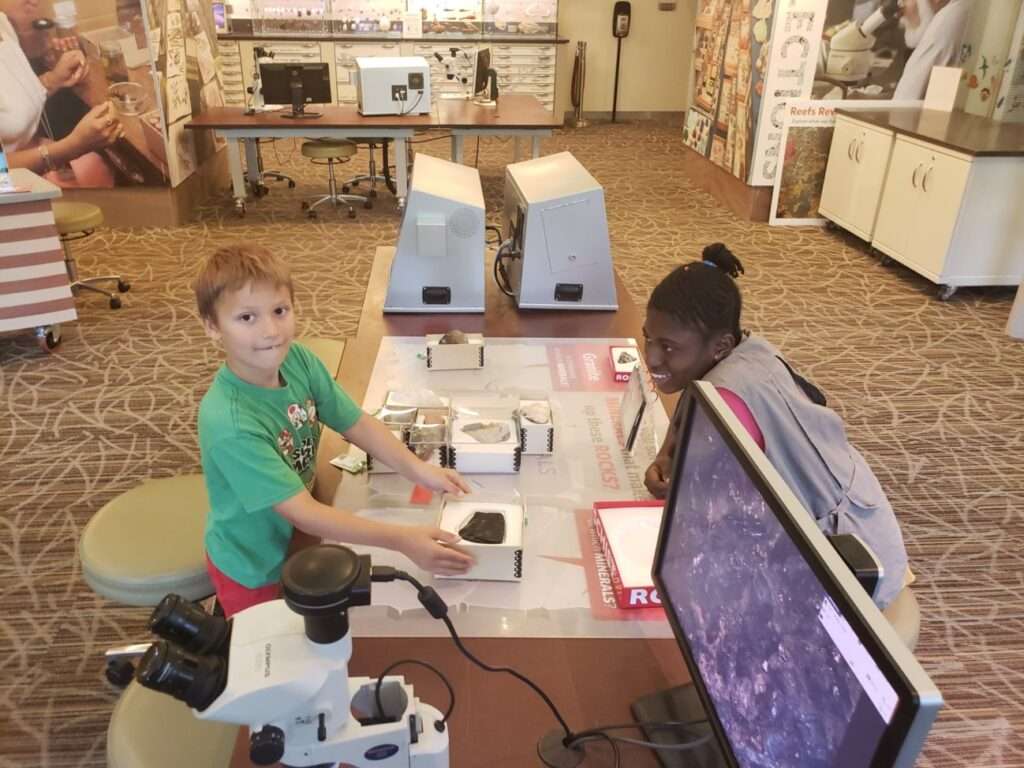
This type of education also allows children to learn about new cultures and meet people from all over the world.
In traditional schools, children often only interact with other students who come from similar backgrounds.
Worldschooling gives children the opportunity to learn about different cultures and customs, which can help them develop empathy and understanding for others.
5. Build Independence
Also, worldschooling can help children to build independence. Because they are not in a traditional school setting, worldschoolers often have to take on more responsibility for their own learning.
This can help them to develop self-discipline and time-management skills, which will be useful in all aspects of their lives.
6. No Tests or Grades
There are no tests or grades. One of the things that sets worldschooling apart from traditional education is the lack of tests and grades.
This can be a relief for both children and parents, as it takes the pressure off and allows learning to be more fun and relaxed.
7. Less Expensive
Worldschooling is also usually much less expensive than traditional schooling, as there are no school fees or tuition costs.
Families who worldschool often find that they can travel more cheaply than if they were to send their children to school.
It can be very affordable to find monthly Airbnb rentals, and sometimes you can often find ways to stay for free or get discounts on accommodation and travel. We house sit regularly to offset our housing expenses.
8. Reduced Stress
Worldschoolers also have less stress over time. Worldschooling families often find that they have more time to spend together, as there are no set school hours or holidays.
This can lead to stronger family bonds and a more relaxed lifestyle.
9. Meet New People
Worldschooling means you and your kids get to meet new people. Worldschooling gives families the opportunity to meet new people and make friends from all over the world.
As you travel, you’ll often meet other families who are also worldschooling, which can be a great way to connect and learn from each other.
10. New Brain Pathways
Travel creates new memories and passageways in the brain. The experiences and memories your children will make while worldschooling will stay with them for a lifetime.
Travel has been shown to have many benefits for children, including enhancing their brain development and creativity.
11. Exposure to New Languages
Hearing different languages regularly means your kids will learn them too. One of the benefits of being around other people from different cultures is that your children will be exposed to new languages.
Studies have shown that children who are exposed to multiple languages tend to learn them more quickly and easily than those who are not.
12. Kids Will Discover New Interests
Seeing something new might help discover new interests. When children are exposed to new places and experiences, they often develop new interests. This can lead to them becoming more well-rounded and open-minded adults.
13. Prepare Kids for the Future
Worldschooling can help prepare kids for the future. With the world becoming increasingly globalized, it’s important for children to learn how to interact with people from different cultures.
Worldschooling can help children develop the skills and knowledge they need to succeed in a globalized society.
14. Build Perseverance
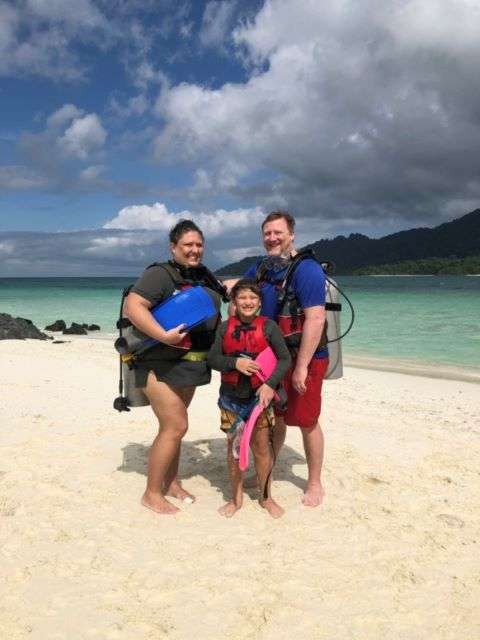
The challenges that travel brings helps kids to build perseverance and collaboration. Same with adults!
Worldschooling can be challenging at times, but it’s these challenges that can help children develop important life skills such as perseverance and collaboration.
15. Discover How Big the World Is
Traveling helps children understand how big the world is and that it extends much farther than their immediate surroundings or the “bubble” of the classroom.
Worldschooling is a great way to give your children a well-rounded education. By exposing them to different cultures, languages, and experiences, they will learn more than they ever could from a textbook.

Worldschooling Education Options
If you’re interested in worldschooling your children, there are a few things you need to keep in mind.
In addition, it’s important to make sure that you are prepared to take on the role of teacher. Or at least an education facilitator or strewer. This means being organized and having a plan for what you want your children to learn.
It’s also important to be flexible, as the world is constantly changing and you will need to be able to adapt your plans accordingly.
Challenges
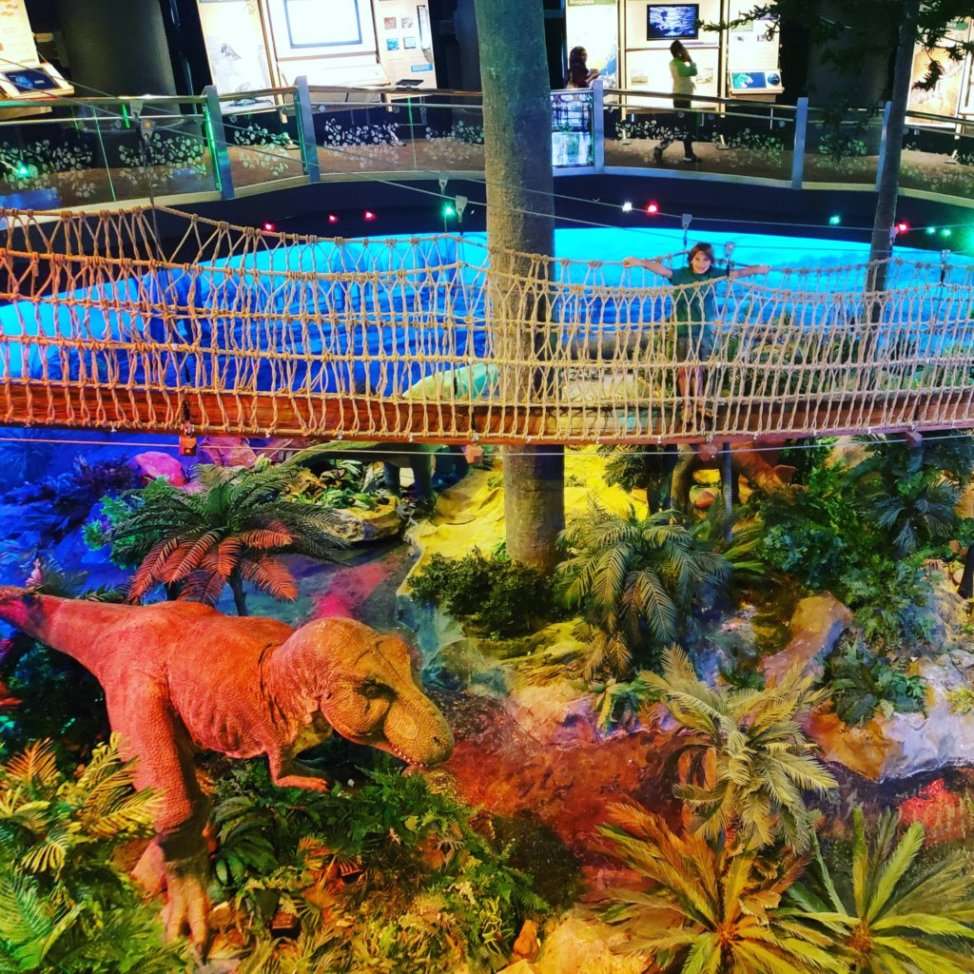
Especially during the pandemic years, we worldschoolers were tested to the limit in our flexibility and ability to adapt to changes. It was a very weird few years!
Finally, make sure that you are prepared for the challenges that come with worldschooling, such as homesickness and culture shock. It hit us hard when we were in Malaysia the first time.
Just as we got over it, the pandemic knocked us flat again. But we persevered!
Worldschooling vs Homeschooling vs Unschooling
One of the important things most people consider when wondering how to start worldschooling is education.
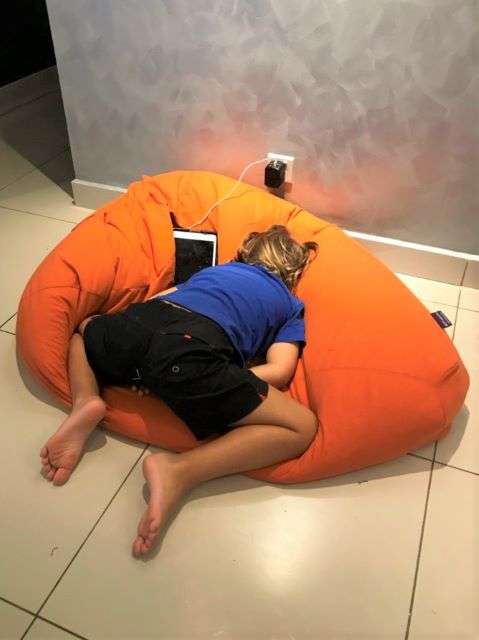
There are many types of educational styles available, from unschooling to homeschooling. But what do these words mean?
What is Homeschooling?
Homeschooling is when parents choose to educate their child(ren) at home instead of sending them to a traditional, brick-and-mortar school building to be educated by teachers with a group of students roughly the same age as them.
There are many different ways to homeschool. Some parents choose to use a curriculum, while others design their own.
Some parents follow a more traditional approach, while others use a more child-led or relaxed approach.
What is Unschooling?
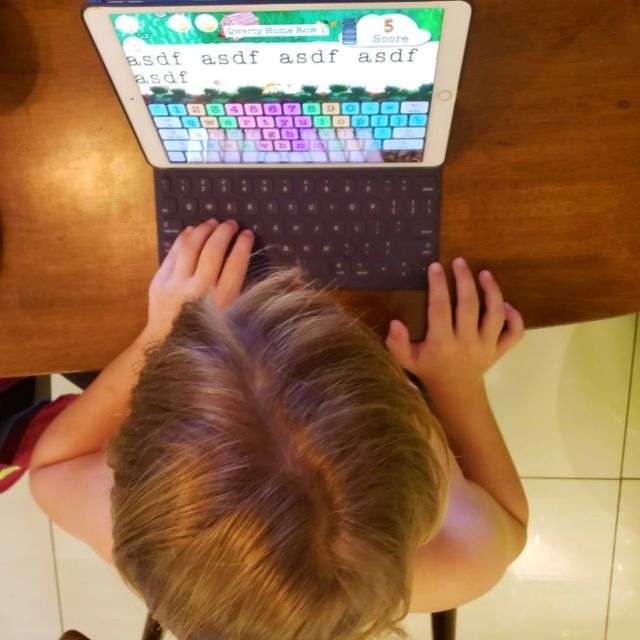
Unschooling, on the other hand, is a type of homeschooling where the child(ren) leads their own learning.
Unschooling is based on the philosophy that children learn best when they are allowed to follow their own interests and curiosities.
This means that there is no set curriculum or schedule. Instead, learning happens naturally through everyday life experiences.
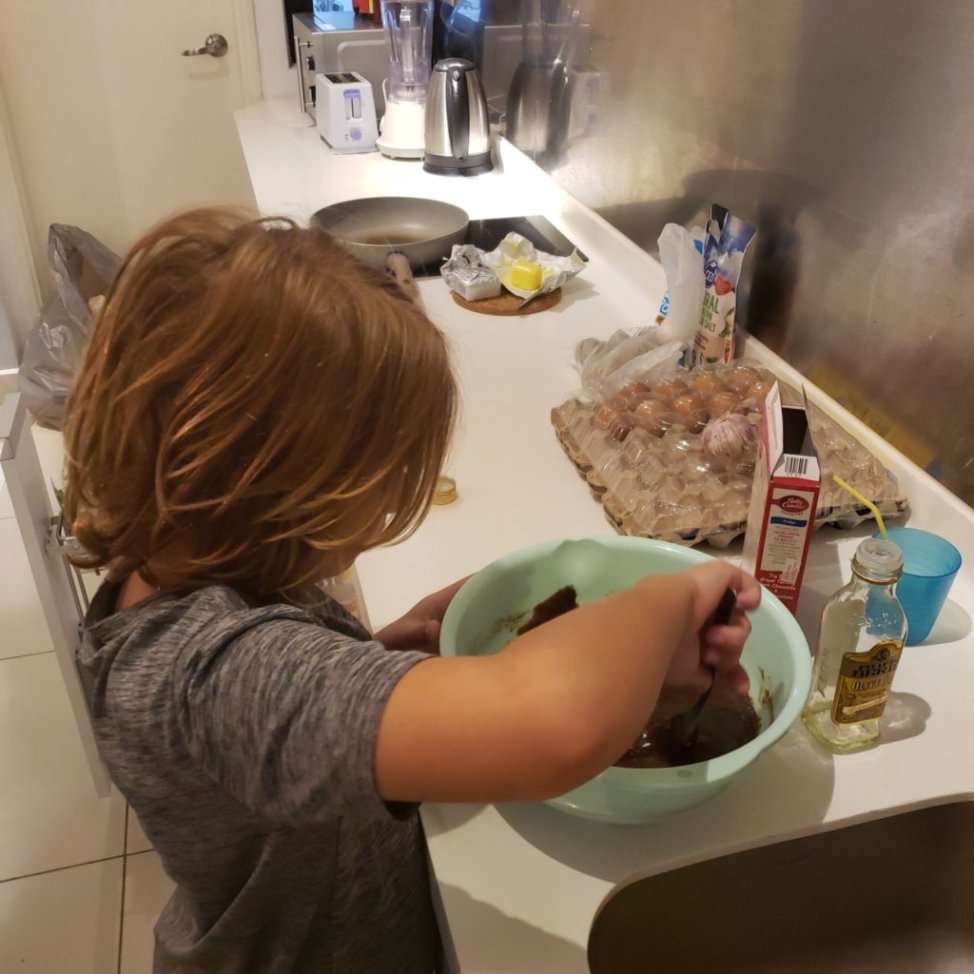
For example, a child who is interested in how bread is made may help their parent bake bread, and in the process, they will learn about measuring, following directions, and the science behind bread-making.
Strewing
A common unschooling strategy to help children develop interests is a term coined by Sandra Dodd called “strewing”. The idea is to strew interesting things along a child’s path that they can then choose to pursue if it interests them.
When worldschooling, the power of travel means that the world will strew for them.
This is really where the magic lies. When you choose to travel, the world doesn’t just become your classroom, the world becomes your teacher.
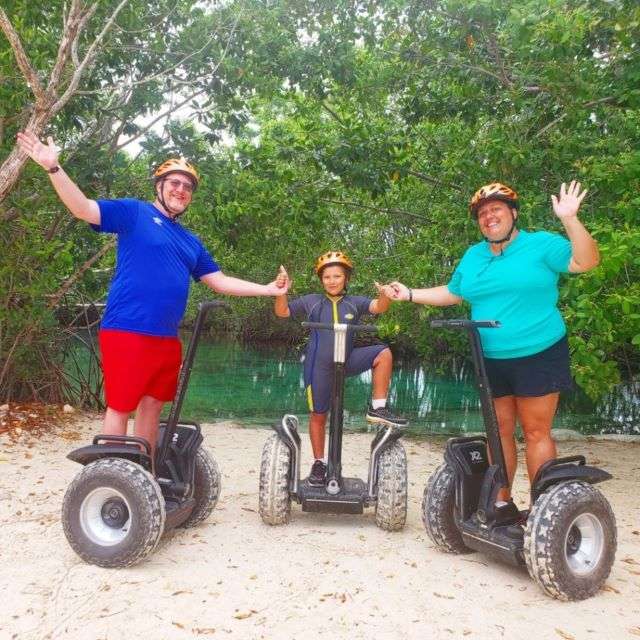
The places, the history, the people, the languages, and the demands of a traveling life all contribute to a learning lifestyle beyond anything your child would ever receive within the four walls of a classroom.
Tips for Choosing Your Worldschool Education
Worldschooling is essentially an extension, or combination, of homeschooling and unschooling in that the parents educate their kid(s) outside a traditional school using the world as their classroom instead.
Take some time to research and find one that is right for your family. And remember there is no one correct or best solution.
Also, keep in mind that whatever you choose to do to start out does not need to be what you end up sticking with over time.
Pro Tip: If you start our traveling with a book-based curriculum, you can give yourself permission to decide it’s not working and try something else.
We have gone through several different phases in our personal worldschooling journey. We’re unschoolers at heart but we’ve done the home curriculum and online learning options as well.
If you’re interested in seeking an online school or curriculum, we know all about that!
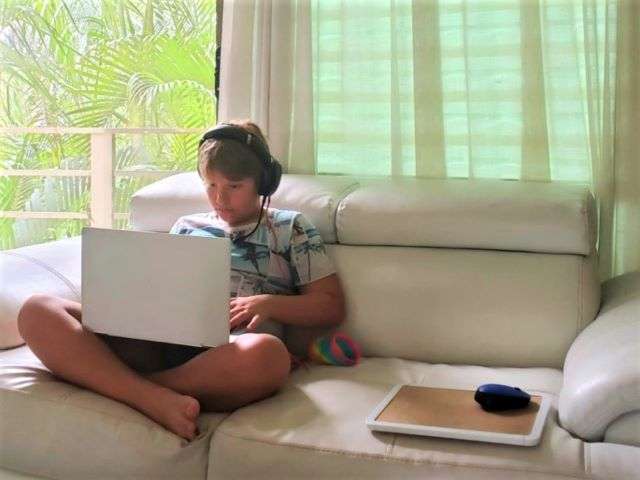
We adjusted to a more formal education pattern during pandemic lockdowns and have been exploring a hybrid teacher-guided and child-guided learning path.
Is Worldschooling Legal?
This is a question that gets asked a lot. There can be a lot of confusion around who, if anyone regulates worldschooling.
Does anyone regulate worldschooling? Are you subject to the laws of the country where you are located?
In the U.S., homeschooling is regulated at the state level. Homeschoolers (including unschoolers and worldschoolers) are subject to the laws of their state of residence (where they file taxes and have a drivers license), even while abroad.
Pro Tip: As long as you are from the U.S., generally all you have to know and follow are the homeschooling regulations of your home state.
Outside the US, homeschool laws vary greatly by country. Germany and France have outlawed homeschooling while Mexico is much more similar to the US laws on education.
As a tourist, you won’t have to pay foreign taxes, nor will you be required to register your kids in school. However, if you stay in a foreign country long enough, you may then become subject to their laws as well.

If you decide to make one of those countries your long-term home base, you’ll have to get residency, and then you will deal with those things.
There are other exceptions as well. In the country of Georgia, for example, if you stay more than 180 days you become a tax resident despite their tourist visit allowance of 360 days.
Note: We are not attorneys. This post is not legal advice for homeschooling or residency, in the US or abroad. We are just sharing our personal knowledge. If you have questions about homeschool laws or tax status, in the US or elsewhere, consult a legal professional for advice.
Travel Planning for Worldschooling
Once you have an education goal (curriculum sounds too formal) in place, the next step is to start planning your travels.
If you’re not sure where to start, there are many resources available online, including blogs, websites, and Facebook groups.
We like to think our blog is a good resource for wannabe worldschoolers! Feel free to contact us with questions if you’re in the planning phase, or check out our travel resources and remote lifestyle pages.
No matter what you decide, the most important thing is to take the first step and just start planning. The details will work themselves out as you go.
Worldschooling Conferences
Some people like to attend worldschooling conferences. However, we don’t recommend them. We, and some friends, have had bad financial experiences with some organizers.
Plus, while it seems like a great way to meet other families who are doing it, they are often just overpriced seminars selling you stuff you don’t need but they claim you do. I promise you do not need a worldschool conference or summit.
The same goes for overpriced worldschool hubs. Do not spend $2,000 USD or more on a one-week “hub” that will plan everything for you. It’s just a repackaged all-inclusive resort.
You’ll find once you’re out in the world that you can do exactly what these pricey hubs offer for a fraction of the price. All while still meeting other people. Save your money for airfare and excursions on your travels.
Worldschool Popup Hub
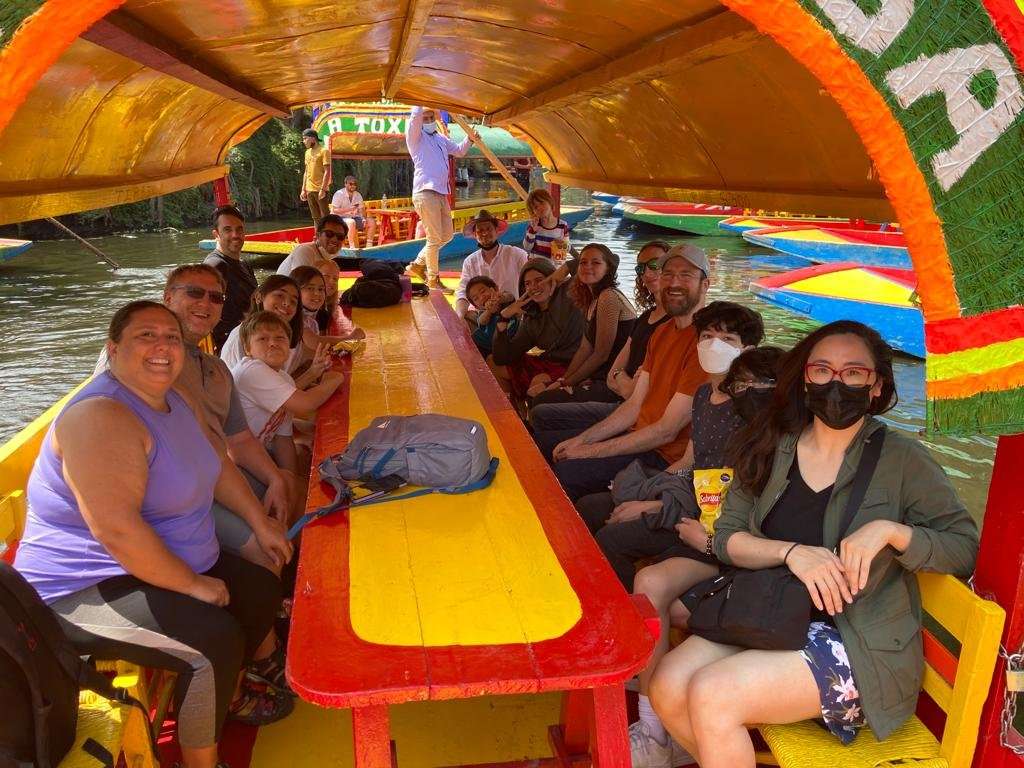
One exception is Worldschool Popup Hub because they make friend connections and local experiences affordable for any family.
We attended two of their events in Mexico City and Merida, Mexico, and even interviewed the owner on our podcast!
What to Do with Your Home When Worldschooling
To start worldschooling, you have to make some decisions about what to do with your belongings and your home.
If you rent, it’s easy to just walk away when your lease ends. However, it can be more complicated when you own property.
You have a few options: sell your home, rent it out, or keep it and come back to it later. There is no right or wrong answer here. It all depends on what is best for your family.

Sell It
We sold our home because we knew we didn’t want to come back to the same place for years, if ever. It just didn’t make sense for us to keep it and pay for two homes, the one back in Chicago and the one wherever we ended up.
Plus it was a seller’s market when we left so we had a small, unexpected savings fund for emergencies. With the pandemic, it was nice to know we had it.
Rent It
Renting out your home is another option. This gives you a little more stability and security, knowing you have a place to come back to when (or if) you’re ready.
However, there are several major drawbacks to renting out your home, including the potential for bad tenants and the hassle of being a landlord.
Remember that no matter what you decide to do with your old life, you can always change your mind later. We have friends who sold their house and then regretted it. They eventually bought another one.

Decision Tips
And we have friends who kept their house and rented it out, but then decided they wanted to sell it after a few years. Keep in mind that selling your home while you aren’t there can be extra stressful.
It’s not impossible to sell a house from abroad. However, if you go this route, you may want to interview some good real estate agents before you leave. This will give you peace of mind for later.
Realtors can also keep you apprised of market changes while you’re away.
If the housing market becomes very lucrative for sellers, they can notify you in case you want to sell your place to take advantage or the opportunity.

The important thing is to not let the decision hold you back from starting your worldschooling journey. Just make one and go with it!
Downsizing Your Belongings Before Worldschooling
Whether you own a home or rent, you’ll need to figure out what to do with everything you own. You can’t take your favorite couch with you on a flight to Asia.
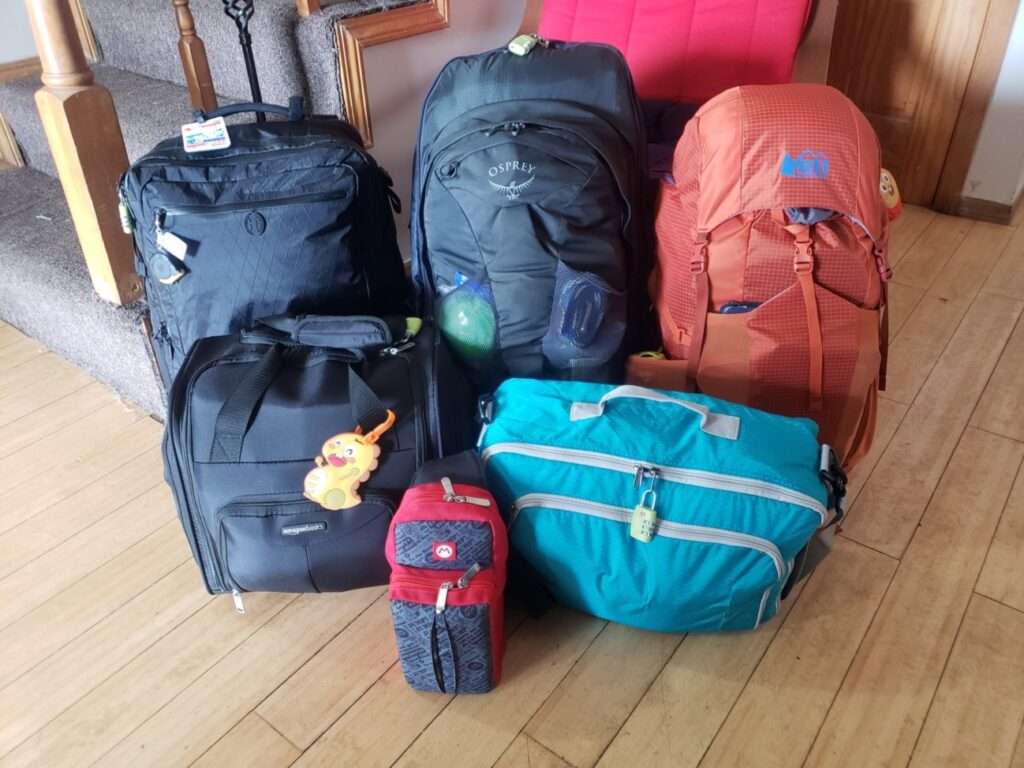
And you won’t want to lug around your entire walk-in closet full of clothes when dragging multiple roller bags on the cobblestone streets of Italy.
You’ll need to purge your stuff. Mercilessly. This is easier said than done for many people. We get attached to our belongings, even though they often just sit in storage unused.

Less is More
The key is to remember that your things do not define you as a person. You are not what you own. Just because you no longer have your furniture or clothes, doesn’t mean you are any less of a person.
Pro Tip: It can be freeing to travel light.
We are carry-on only people so we rarely have issues with luggage. The best part about taking less stuff is you don’t have to worry about losing things or having them stolen.
And you don’t have to waste time looking for things in your suitcase when you’re trying to enjoy your travels.
I love breezing past the baggage carousel and getting into line at immigration way before everyone else. It saves so much time at airports!
So go through your belongings and get rid of anything you don’t absolutely need or love. This includes clothes, furniture, dishes, knick-knacks, photos, and anything else that is taking up space in your home.
Consider Storage
If you can’t bring yourself to get rid of something, consider renting a storage unit. I don’t recommend this personally, but it may be what you need to take the plunge and start worldschooling.
We put some bins of stuff in storage in a family member’s basement, and we haven’t seen any of our stored stuff in over three years.
To be honest, we don’t even remember most of what’s in there anymore. When we go back to our stuff, we’ll likely get rid of 90%+ of it.
So if you’re feeling overwhelmed by the idea of getting rid of your things, don’t worry. You can always change your mind later.
And chances are, you won’t even miss most of what you got rid of once you start your worldschooling journey.

How to Finance Worldschooling
Now that you know what worldschooling is and what it entails, you’re probably wondering how to finance such an undertaking. After all, world travel is not cheap. But it also doesn’t have to be as expensive as you think.
The good news is that there are several ways to finance your worldschooling journey. And with a little creativity, you can likely find a way to make it work for your family.
Here are a few ideas to get you started:
☑️ Work Remotely
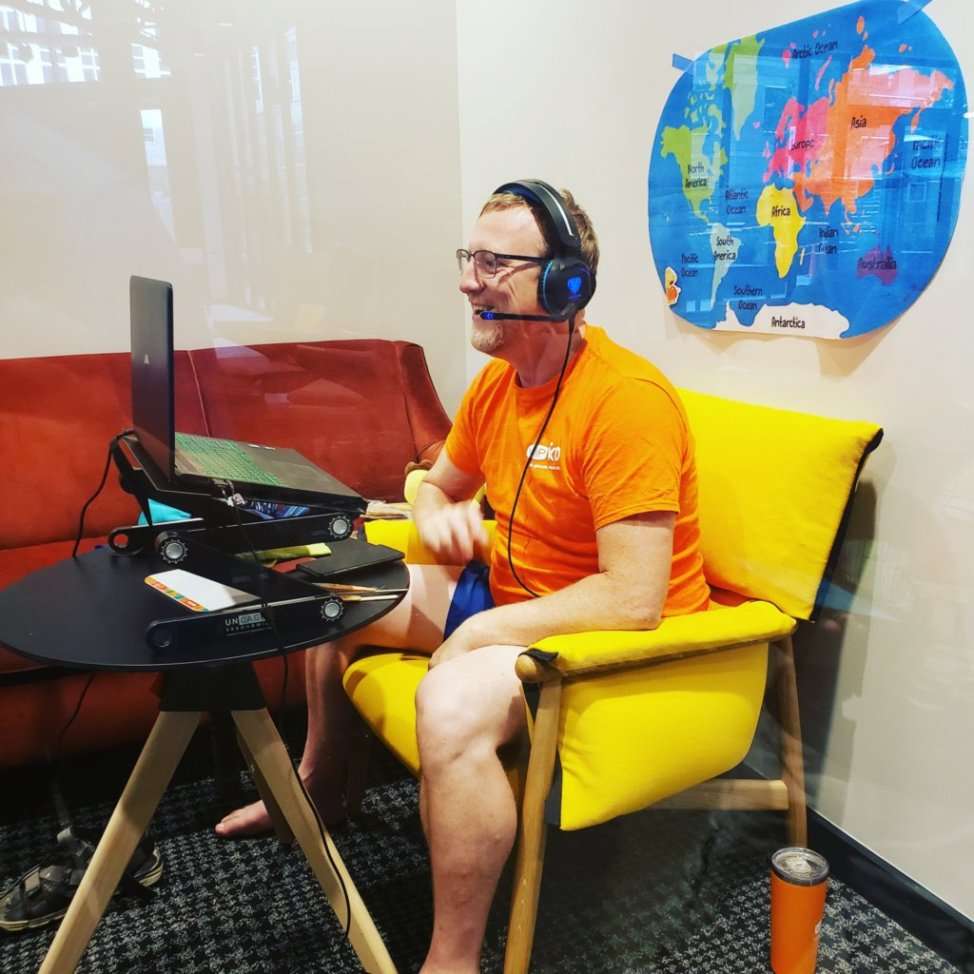
If you have a job that allows you to work remotely, you can do this from anywhere in the world. This is how we finance our worldschooling lifestyle.
Working remotely doesn’t just mean working for a company online, but it is certainly a viable option.
It can also include running your own online business or working as a freelancer.
We started out doing freelance work but have transitioned into being business owners, which gives us more flexibility than working full-time for someone else.
☑️ Investments
Another option is to live off of investments, such as stocks, real estate, or other passive income streams.
If you decide to keep your house and rent it out, don’t count on the rent from that single property to pay for your travel lifestyle.
You need a financial cushion to handle paying for major repairs or covering the mortgage if you don’t have renters for a few months at a time.

☑️ Sponsorships
You can also look for sponsorships or grants to help finance your worldschooling journey.
This usually works best if you have a travel blog, so you can write about the sponsorships you receive to promote the sponsoring companies.
💃 Now that we’ve developed a lucrative family travel site, we get sponsored opportunities like horseback riding in a canyon and touring a spice farm with a tasting menu!
☑️ Savings
If you have a good amount of savings, you can use this to finance your travels. Just be sure to budget carefully so that you don’t run out of money too quickly.
This should only be used as a stopgap unless you have a set start and end date for your worldschooling life.
For example, some families take a gap year between jobs or while the parents are on a sabbatical and spend that time worldschooling.
☑️ Crowdfunding
You can also use crowdfunding platforms like GoFundMe or Kickstarter to finance your travels. Generally, I haven’t seen this be very productive.
People don’t generally want to pay for others to go on vacation. However, if you have unique circumstances or a creative business idea, this can be a good option to consider.
☑️ Housesitting
Another great way to finance your travels is through housesitting. This involves staying in someone’s home while they’re away and taking care of their pets or plants.
While you don’t generally get paid for housesitting, you do save on housing expenses. In fact, we offset over 45% of our 2022 housing costs just through housesitting!
Fun Fact: We have house sat in the US, Asia, Mexico, South America, and throughout Central America. Plus Australia and New Zealand. It’s fun!
☑️ WWOOFing
If you’re interested in getting more involved with the local community, you can look for WWOOFing opportunities.
This stands for World Wide Opportunities on Organic Farms, and it’s a great way to learn about sustainable living while also getting your food and accommodation covered.
If you’re working online full-time, though, this can be challenging because you may struggle with internet connectivity while WWOOFing.
Or, you may not find time to work remotely while also following through on your volunteer commitments.

There are many other ways to finance your worldschooling journey, including getting a freelance or W2 job as a digital nomad, so don’t feel limited by what’s listed here. These are just a few ideas to get you started.
There are endless possibilities when it comes to financing your worldschooling lifestyle. So get creative and see what you can make work for you.
How to Get Started Worldschooling
If you’re ready to take the plunge, there are a few things you need to do to get started. The first step is to research whether or not it’s the right fit for your family.
Worldschooling isn’t for everyone, so it’s important to make sure that it’s something that will work for you.
If you think this (amazing!) lifestyle is for you, the best way to start is by booking a one-way ticket to your first destination. In our case, we booked a one-way cruise from LA to Singapore!
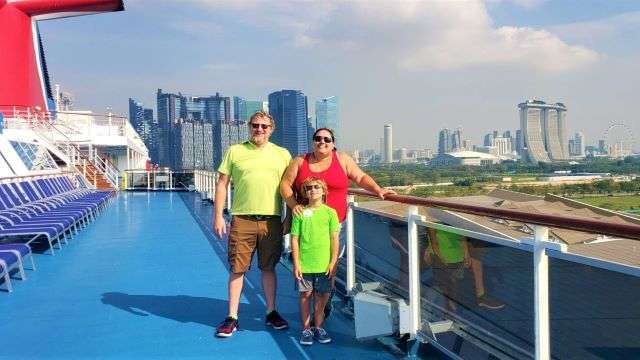
At the time we booked the cruise, we had no idea what I was going to do for income. We planned to live off David’s work as a freelance ESL teacher. We spent almost a year downsizing our belongings and figuring out what to do with our home.
From there, everything else will fall into place. I know it sounds corny to say it, but it’s true! Once you have that first trip booked, the rest will come naturally.
You’ll start meeting other families who are worldschooling and get all sorts of great tips and advice from them.
And that’s it! Now you know the basics.

Read More About Worldschooling
Are you seeking to dive more into the idea of worldschooling? Then read some of these books to inspire and prepare you for the amazing reality of education through travel.
📖 World Schooling: How to Revolutionize Your Child’s Education Through Family Travel
The book breaks down the barriers to education through family travel and takes a deeper look at the purpose of education as well as what children need to know to thrive in the 21st century.

Its goal is to liberate you and your family from the traditional education system and guide you into the incredible alternative education movement that is world schooling.
The book is full of resources that will help you go out and make world schooling a reality for you and your family. Its goal is to help you make a game plan ready for execution.
📖 The Road Taken: How to Dream, Plan, and Live Your Family Adventure Abroad

More than a how-to book, The Road Taken inspires families to venture out of their comfort zones to create lives of freedom and fulfillment, at home and abroad.
The well-researched and organized topics encourage families to dream and make that dream happen. It’s also the perfect book for those who love thrilling adventure tales.
Even if you are just looking for ideas to spice up the next family vacation, this book will provide you some fun and interesting ideas.

In 2005, Maya Frost and her husband sold everything and left their suburban American lifestyle behind in order to have an adventure abroad.
The trickiest part was that they had to lead their four teenage daughters through high school and into college.
This how-to handbook describes the affordable, accessible, and stunningly advantageous options they stumbled upon that any American student can leverage to get an outrageously relevant global education.

Germann Molz sheds light on the emerging phenomenon of “worldschooling,” showing that it is not just an alternative way to educate children, but an altogether new kind of mobile lifestyle.
The author shows why many parents—disillusioned with standard public schooling—believe the world is a child’s best classroom.
The World is Our Classroom paints an extreme portrait of twenty-first century parenting and some families’ attempts to raise global citizens prepared to thrive in the uncertain world of tomorrow.

This one is special because it chronicles a family of three doing the same thing as us: driving the Pan-American Highway.
While they did it in a camper van and we’re housesitting and staying in Airbnbs, our journey is taking us on the same route.
The passion to be done with the rat race is very much present, though, in both our families. Too much stress and not enough time with the family left me feeling that my priorities were all wrong as well.
If this sounds like you, too, then read their book. It may be the one to inspire you to finally take the plunge. If we hadn’t already been on the go when I discovered this one, it would have helped me do so.
Final Thoughts on What is Worldschooling?
What is world schooling? Worldschooling is a great way to learn about different cultures and lifestyles while getting a quality education. As a parent, I’ve learned so much so the education has been for our whole family!
So what are you waiting for? Get out there and start exploring the world with your family!
All you need to do is make an education plan, get rid of most of your belongings, decide how to handle your home, and buy a one-way ticket somewhere.
👉 While we have global health insurance for our day-to-day lives, we also elect travel insurance with SafetyWing for our spurts of fast travel adventure!


