

Our Offbeat Life contains affiliate links & participates in the Amazon Services LLC Associates Program & other affiliate programs. If you buy something using an Amazon or other link, we may receive a commission at no extra cost to you. See our Disclosure for more details.
All The Things I Wish I Knew Before Going to Costa Rica

Costa Rica is an amazing country with beautiful landscapes, friendly people, and fantastic wildlife.
My family and I spent three glorious months there during our Pan American Highway road trip, and it wasn’t enough!
While we have visited every country in Central America, Costa Rica has stolen our hearts. There are some things I wish I’d known that would have made our visit easier, and that’s what this article is all about. To help you!
Here’s my experience-based wisdom of the things I wish I knew before going to Costa Rica, to help you enjoy your Costa Rica trip to its fullest!
Things I Wish I Knew Before Going to Costa Rica: General Travel Tips
These are all the general information travel tips I wish I knew before going to Costa Rica. If you’re wondering “what is Costa Rica like?” then this list will give you a pretty good idea!
1. Infrastructure
Don’t worry, you aren’t traveling to a deserted jungle. Costa Rica has good infrastructure, especially in the more popular tourist areas.
The roads are generally paved and in good condition, although you will encounter the occasional pot-hole. Speed bumps aren’t as big of a problem there as they are in Mexico or Guatemala.

2. Currency
The currency is Colones. You will get a better exchange rate for US dollars in Costa Rica than in any other Central American country.
This doesn’t mean that you’ll get a good exchange rate. It’s just better than what we’ve seen to be the norms in Honduras or Nicaragua.
However, keep in mind that if you pay in dollars, you will still get colones back in change.

3. US Dollars
US Dollars are often accepted. You may see restaurants and tour operators quote fees in USD. But don’t use them if you can avoid it because the exchange rate isn’t in your favor.
When we were at Curi Cancha Reserve in the Monteverde cloud forest, they told us they would only charge our credit card in USD and refused to charge it in colones.
The exchange rate they quoted was a total rip-off. This is partly why I don’t recommend it if you’re only planning to visit one Monteverde forest preserve.
Thankfully I had a fair amount of colones on hand and paid with those instead. If you pay with USD, you’ll also get colones back in change usually.

4. Exchange Rate
Always know the current exchange rate.
Since the exchange rate is around 665 CRC to 1 USD, some places may try to stiff you by using a 500 to 1 rate and you will lose quite a bit.
The exchange rate changes daily so always ask if you are paying in USD. The best place to exchange currency is at the bank, not at the airport exchange rate booth.
When in doubt, remember the 1.5 rule – 1,000 colones is roughly $1.50 USD.

5. Cash
Carry cash. Not all tourist areas have ATMs. And not all tourist areas take credit cards. For example, entrance fees to national parks are almost always cash only.
In addition, the entire area around Corcovado National Park, including the town of Drake Bay, doesn’t even have an ATM and everything is cash only.
Get colones from an ATM before you visit this part of Costa Rica.
Note: In Costa Rica, an ATM is called a cajero automatico “Cah-hair-oh aw-toh-mat-ick-oh”

6. Airports
There are two international airports in Costa Rica. San José Airport (which is not actually inside the city of San Jose Costa Rica) and Liberia.
You can fly into either one, depending on your overall Costa Rica travel itinerary.

7. Excursion Hours
Get to every excursion as close to opening time as possible. This is especially important for things like national parks.
The earlier you get there, the cooler it will be and the fewer crowds you’ll have to deal with.
If you book a tour, you don’t have control over when you arrive but if you drive or take a bus you do. Keep this in mind when you’re planning how to get around Costa Rica.

8. Entry Rules
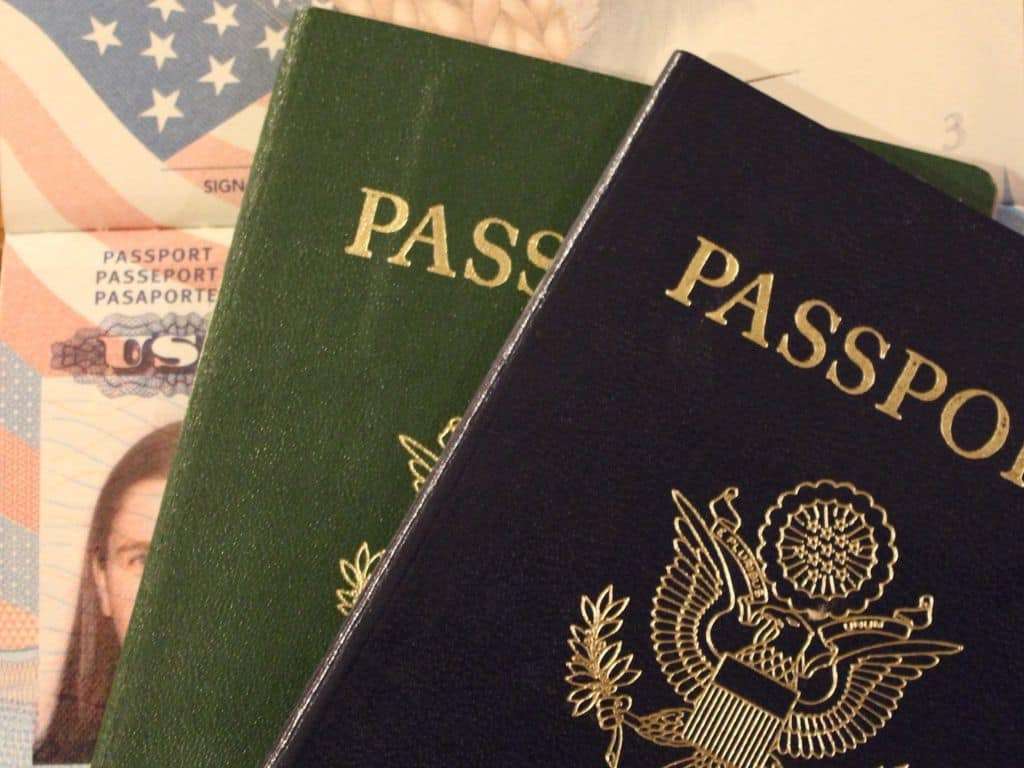
Know the entry rules for your country of origin. For example, the United States requires a passport to enter Costa Rica but not a visa. If your passport expires within 6 months of your return date, you’ll need to renew it before going.
Similarly, if you are not a citizen of the United States, check the entry requirements for your own country as they may be different.
In September 2023, the Costa Rican government extended the allowed visit period for certain countries to 180 days! That’s almost 6 months!
“The extended stay in Costa Rica allows tourists and business visitors to fully embrace the country’s unique charm and explore its ample opportunities for both leisure and professional interactions.” –
Costa Rica Tourism and Immigration Department
In addition, you are required to show proof of planned departure when you arrive. This is enforced sporadically in the airports but consistently at land borders.
We saw a guy on the phone trying to book a flight out because Costa Rica wouldn’t let him enter the country without it.
So, if you’re planning to visit Costa Rica on a one-way ticket, make sure you have an exit strategy planned in advance.
Things I Wish I Knew Before Going to Costa Rica: Safety and Health
9. Mosquitos
Dengue is more prevalent than Malaria in Costa Rica. Thankfully, if you do end up getting Dengue, it’s not transmissible to people around you.
It’s only transmitted by blood contact. Make sure insect repellent is on your Costa Rica packing list and that you wear it daily.

10. Tap Water
Tap water is safe to drink. There’s no need to buy bottled water unless you’re in a very rural area. Or on the Caribbean coast. We bought bottled water in Puerto Viejo de Talamanca.
When in doubt, ask your vacation rental host or hotel. They’ll generally tell you if you can’t drink the water though. They certainly don’t want sick guests!

11. Military
There’s no army. Costa Rica is one of 23 countries in the world with no military. It was disbanded after the Civil War, which only lasted 44 days.
There is only the police force, the OIJ, and the GAO (like a SWAT team).
Due to the lack of military, Costa Rica is a very peaceful country. This makes it one of the safest countries in Latin America for traveling, especially for families.

12. Theft
Petty theft is the most common crime. Car and house break-ins as well as pick-pocketing do happen, and most often in tourist areas. To prevent this, a lot of it is common sense.
- Don’t hang your purse on the back of your chair
- Don’t put your backpack in the overhead compartment of the bus
- Don’t leave your wallet on the dashboard of your car
- Don’t leave your car windows open
- Don’t park in remote, dark areas
- Don’t leave belongings unattended on the beach
No matter where our family travels, I always take my valuables in the water at the beach.
👉 I love this waist pouch. It triple seals before rolling down to velcro shut. After 2+ years of regular use, I’ve had no problems.
So when you’re traveling in Costa Rica, make sure to always lock the door, roll up the windows, have one person stay with your stuff at all times, and don’t leave any valuables visible in the car.
Use your common sense. Be alert and aware.

13. Illnesses
If you do get sick, go to a pharmacy and tell the pharmacist your symptoms. They are familiar with the common traveler’s troubles.
You can get parasites, diarrhea, UTIs, or yeast infection meds over the counter. David got ear infection drops after a 5-minute chat with a pharmacist!
For more complicated illnesses, you can also book a doctor’s appointment but pharmacists in Costa Rica can handle most of the basic run-of-the-mill stuff.
It’s so much easier and more affordable to get medicine for small things than it is for us in the US!

Things I Wish I Knew Before Going to Costa Rica: Culture
14. People
Costa Ricans are commonly called Ticos (men) and Ticas (women). Kids are just referred to as ninos (boys or a mixed group of children) or ninas (girls.

15. Pura Vida
It translates to a “pure way of life.” However, it means so much more. Locals use it as a greeting, farewell, and everything in between.
It can describe how things are going or how you’re feeling. We’ve had people use it as a positive well-wish when we depart a place, which is very thoughtful!

16. Happiness Rating
Costa Rica is so happy!
Costa Ricans are some of the happiest people in the world and it shows in their everyday lives. It consistently tops Gallup polls for the happiest country on the planet.
Research says Costa Rica’s primary happiness sources are renewable ones: strong social bonds, a clean environment, and an investment in education.

17. Language
Spanish is the primary language in Costa Rica. While English is widely spoken in tourist areas, not all Costa Ricans speak it. Even in tourist areas, you’ll find some people only speak Spanish.
Learning some Spanish phrases, having a translation app on your phone, or carrying around a Spanish phrasebook will really help. Especially if you plan to go off the beaten path for excursions.

18. Internet
Wifi is readily available. But only in hotels and vacation rentals. You will rarely find free, open wifi at coffee shops, restaurants, or shops.
If you need data while you’re out and about you’re better off getting a prepaid SIM card. Especially if you plan to work remotely like we did.

19. Toilet Paper
Don’t flush the toilet paper. Seriously, just don’t.
This one is a culture shock for some people. In the United States, we’re taught to flush our toilet paper.
However, in Costa Rica (and many other countries), the sewer systems can’t handle all the toilet paper.
So, you’re supposed to throw it in the trash next to the toilet. Don’t worry, many bathroom trash cans have lids, or are open-air, to keep the smell down.
Sometimes the toilet paper is even scented!

20. Brand Names
Feminine products and toiletries are expensive and the brands are different. If you have preferences you feel strongly about, take them with you.
Your favorite shampoo will also likely be pricey. I switched to Sedal shampoos when we were in Costa Rica because they’re paraben-free. Bring it with you if the brand matters.

Things I Wish I Knew Before Going to Costa Rica: Weather
21. Climate
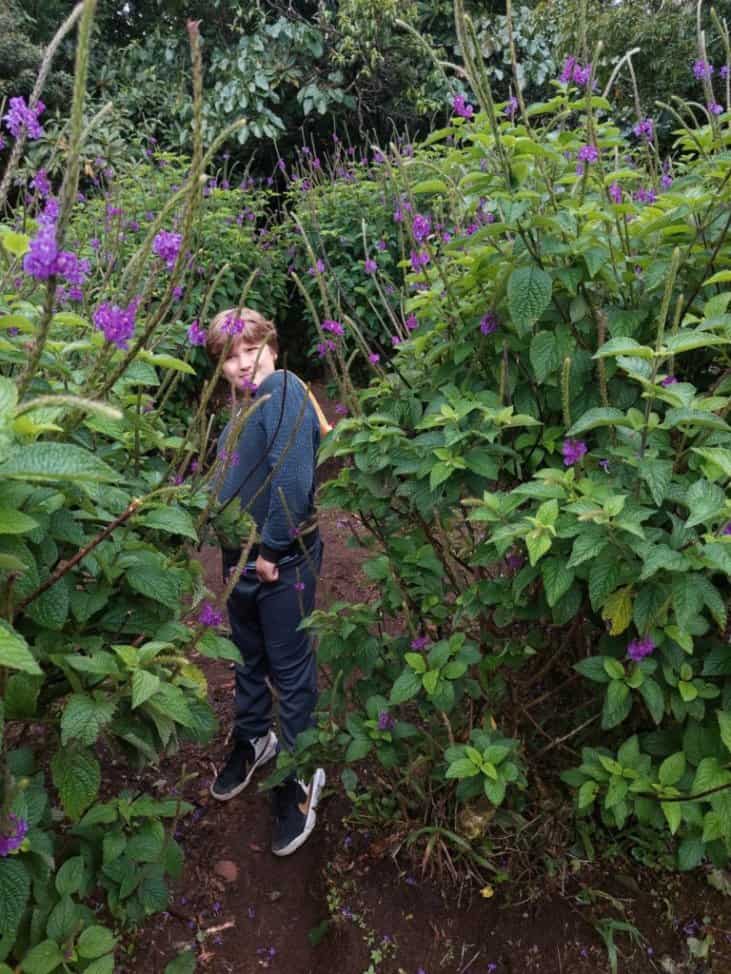
Costa Rica is a country of many microclimates. The weather can be very different depending on what region you’re in.
For example, the Central Valley is cooler than the coastal areas, the Caribbean side is rainier than the Pacific side, and the highlands can be chilly at night.
22. Rain
The dry season is from December to April. This is the best time to visit Costa Rica if you want to avoid the rain. However, even in the dry season, you can expect afternoon showers.
Pro Tip: Pack both sunscreen and a lightweight raincoat whenever you visit Costa Rica.
The rainy season is from May to November. The rains usually come in the form of tropical downpours that last for an hour or two. Then the sun comes out and it’s business as usual.

23. Weather
Weather can change instantly. One minute it can be sunny and the next minute it can be pouring rain. Be sure to pack a rain jacket!
We didn’t do this and realized after a day that we needed to buy some. We ended up popping into a local shop in Monteverde and buying one for each of us.

24. Mountains
Costa Rica can get cold. Up in the mountains, it can get down into the 50s F at night, especially on windy evenings.
We often wore pants and jackets in the mornings and evenings in Monteverde.
Poas, Vara Blanca, San Isidro de Perez Zeledon, Chirripo, and San Gerardo de Dota are some other places you may experience chilly weather.

25. Rainy Season
Don’t skip visiting in the rainy season! I’ve done it three times, once with my family, and it’s amazing. The rainy season is also Costa Rica’s low season. This means fewer tourists!
Pro Tip: The rainy season is also the best time to see certain wildlife like sea turtles and whales.
Prices for hotels and tours usually decrease. It’s the best time to travel cheaper in Costa Rica.
A typical rainy season day is sunny and hot in the morning, cloudy in the afternoon and rainy in the evening or overnight.

Things I Wish I Knew Before Going to Costa Rica: Food
26. Local Food
Try the local food! While you will find international cuisine in Costa Rica, the local food is definitely worth trying. Gallo pinto (rice and black beans) is the national dish of Costa Rica!
Some other examples of Costa Rican food are tamales, empanadas, ceviche, casado (white rice and red beans with salad and a protein) , arroz con Pollo, olla de carne, and chifrijo.
If you have any dietary restrictions, don’t worry. You will generally be able to find food to accommodate you.

27. Sodas
No, I don’t mean carbonated beverages!
In Costa Rica, Sodas are small, family-run restaurants. Eat at the Sodas for a cheaper meal. The food is homemade and usually much cheaper than eating at a restaurant.
Pro Tip: Make sure to use Lizano salsa on your pinto gallo. Maybe the meat, too. It’s amazing!
You can get pinto gallo (rice and black beans), meat of some sort, and salad or veggies, all for about $5 USD. The food is good and filling.
Breakfast is gallo pinto, eggs, fried (sweet) plantains, and orange juice.

28. Grocery Stores
The food in Costa Rica is delicious, but it can be expensive if you eat out all the time. Especially if you eat in tourist-oriented spots. Stock up on groceries so you can cook some of your own meals.
Pali and Maxi Pali have cheaper groceries. In Costa Rica, these are like Walmart. They are a great place to go for beer, snacks, drinks, and such.
However, they do have a poorer selection of meats, produce, and dairy products. If you go to a store like BM or Mini Price, your favorite foods from home are going to cost you a lot more.

29. Coffee
The Coffee is amazing! We are coffee drinkers and we were in heaven.
The best coffee is found in the Central Valley. You can tour coffee farms throughout Costa Rica.
But if you don’t want a tour, make sure to stop by a coffee shop (or three) and stock up on coffee to take home with you.

30. Fast Food
You won’t find much in the way of fast food.
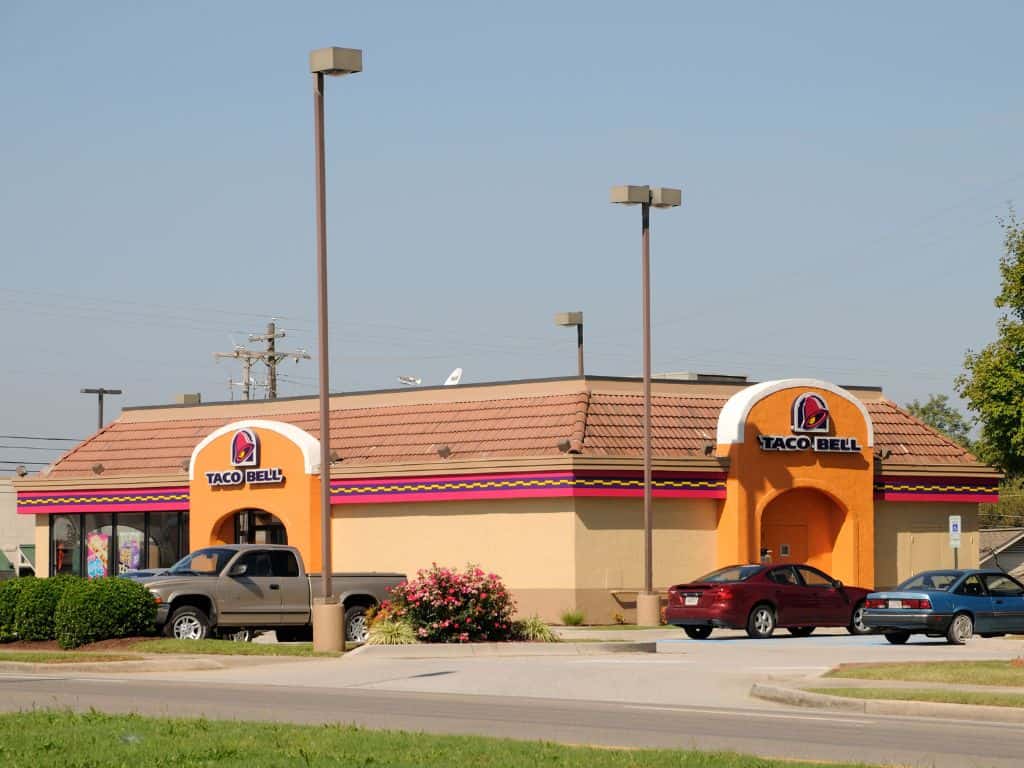
There are a few McDonald’s and Pizza Huts, and even an occasional Taco Bell, but not much else. And most of those are in San Jose or the northern Pacific coast.
If you’re looking for a quick bite, your best bet is to go to a soda (pronounced soh-duh), which is a small, local restaurant. They often offer take-out (para llevar in Spanish).
Things I Wish I Knew Before Going to Costa Rica: Costs
31. Expensive
It’s expensive in Costa Rica! I wish I knew how expensive it would be before we went.
Not that we would have canceled. It’s amazing! The things that cost the most are accommodation, car rental, and food.
👉 I recommend using Discover Cars for renting a car on your trip!
32. Souvenirs
San Jose is the best place to buy souvenirs. You can find great deals on things like arts and crafts, coffee, and chocolate.
If you won’t be in San Jose, then buy souvenirs at the grocery store. Instead of trinkets, go with coffee and chocolate.
Britt brand coffee has bags designed to look very Costa Rican. It’ll save you money and still be amazing!

33. Tours
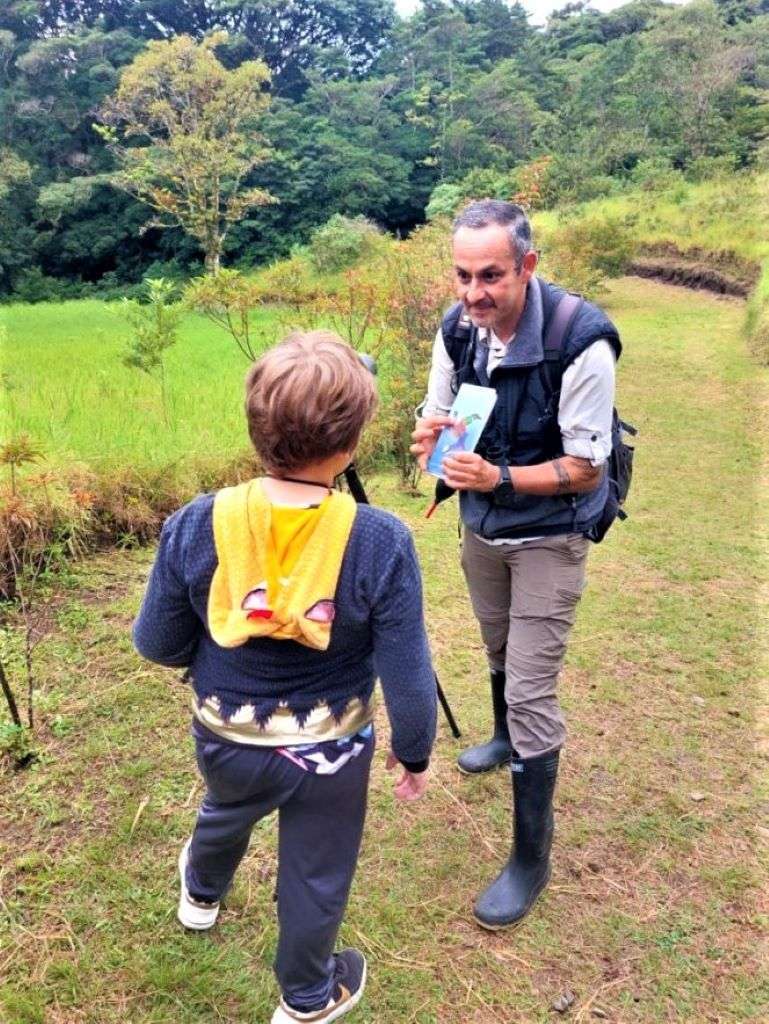
Pre-booking tours can be a great way to save money. A lot of hotels and hostels offer free or discounted tours if you book through them. Viator is another great option.
For example, you can get a guided tour of the Monteverde cloud forest for $35/person on Viator but if you show up at a reserve for a guide it’s $60+/person!
Neither of those prices includes the reserve entry fees. Costa Rica is one place I always recommend pre-booking tours!
34. Tipping
Always tip! The standard tip amount in Costa Rica is 10%.
It’s almost always included on your bill in restaurants. Look for the line item propina towards the bottom of the check.
If you see it, there is no need to tip additional beyond that. However, tour guides and other service industry professionals don’t have tips included.
Their daily wage isn’t very high, so tipping is a great way to show you value their services.

35. Vacation Rentals
Stay in a vacation rental, not a hotel. We stayed in vacation rentals instead of hotels and they were lovely, but not the absolute cheapest.
If you’re looking to save even more money, stay in hostels or campgrounds. The best way to save money is to stay in a place with a kitchen. Just read the reviews carefully.
36. Hiking
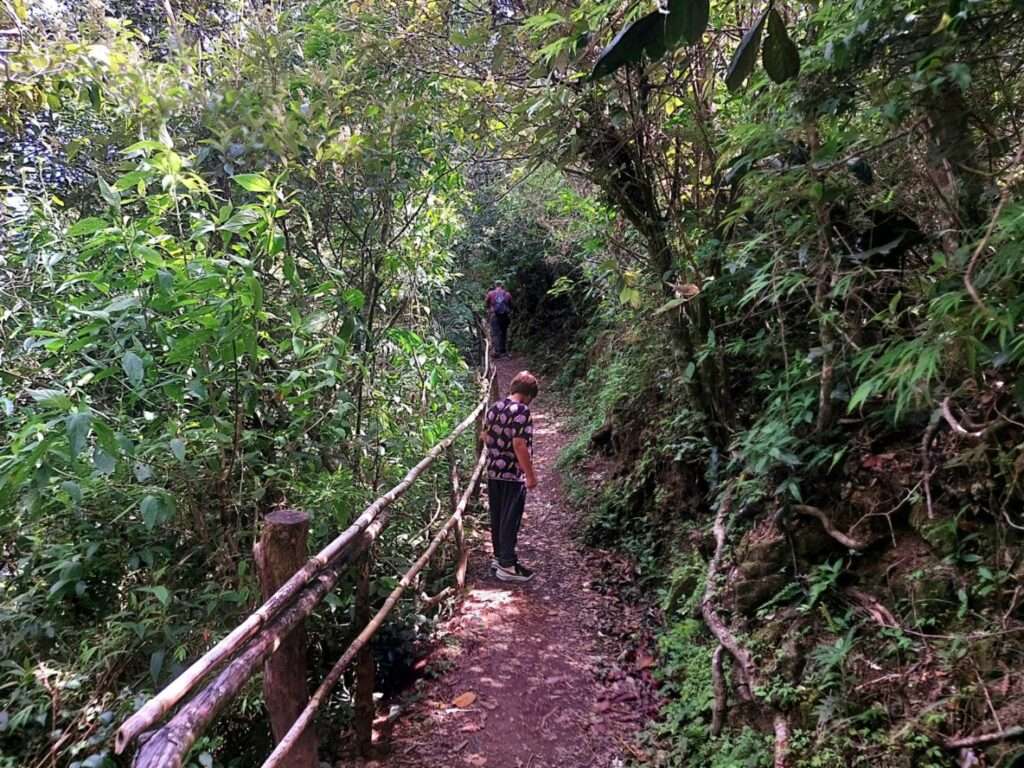
Paying to hike is a thing. Private preserves and hikes on private property all charge fees to hike or walk their trails.
These can run from a couple of dollars for family-owned operations to $30+ for adults wanting to hike in popular preserves, like some in the Monteverde area.
Even National parks in Costa Rica do not have free free as they do in the United States. It often costs about $20 per adult to enter a national park.
Kids are discounted depending on their age. There are also additional discounts for Costa Rican nationals and residents.
37. Tourist Traps
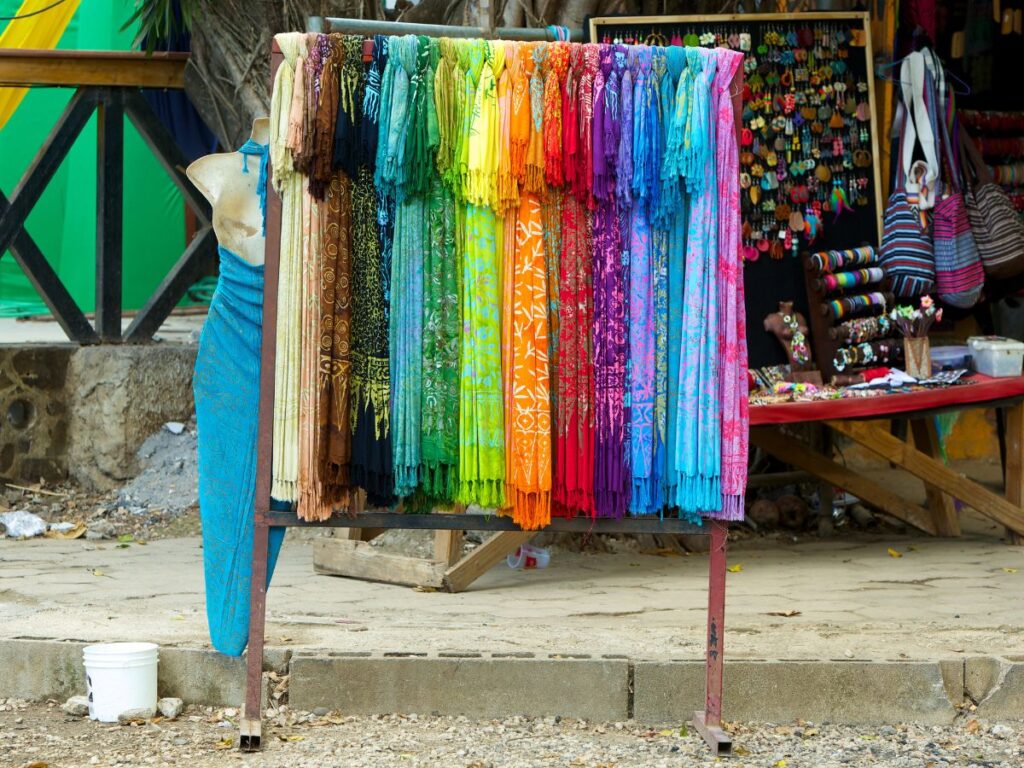
Tourist traps are a thing, too. You’ll find them in most of the popular tourist areas, like Manuel Antonio, Monteverde, and La Fortuna.
Be cautious of people trying to sell you things or offering services on the street. If it sounds too good to be true, it probably is.
Do your research before you go and only book tours with reputable companies.
Things I Wish I Knew Before Going to Costa Rica: Getting Around
38. Public Transport
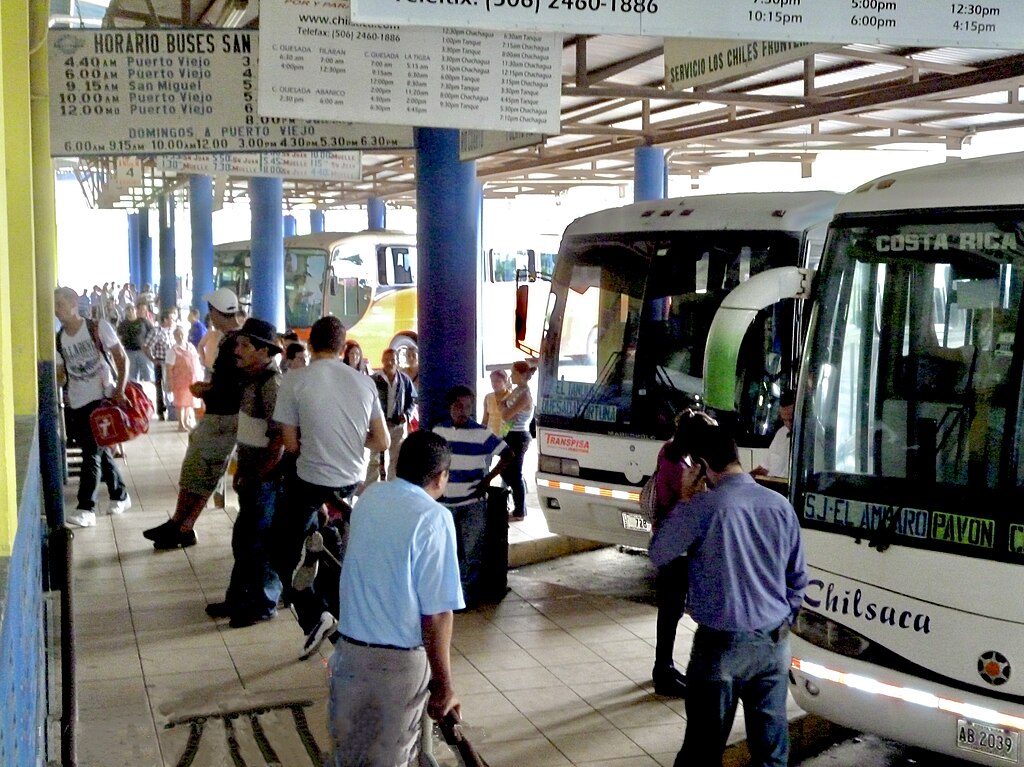
Public transportation is very good in Costa Rica! The main form of long-distance travel is by bus. There are two main companies, Tica Bus and Gray Line.
Both are comfortable with air conditioning and reclining seats.
You can buy tickets online or at the station. Just show up about 30 minutes before your bus is scheduled to leave.
39. Taxis
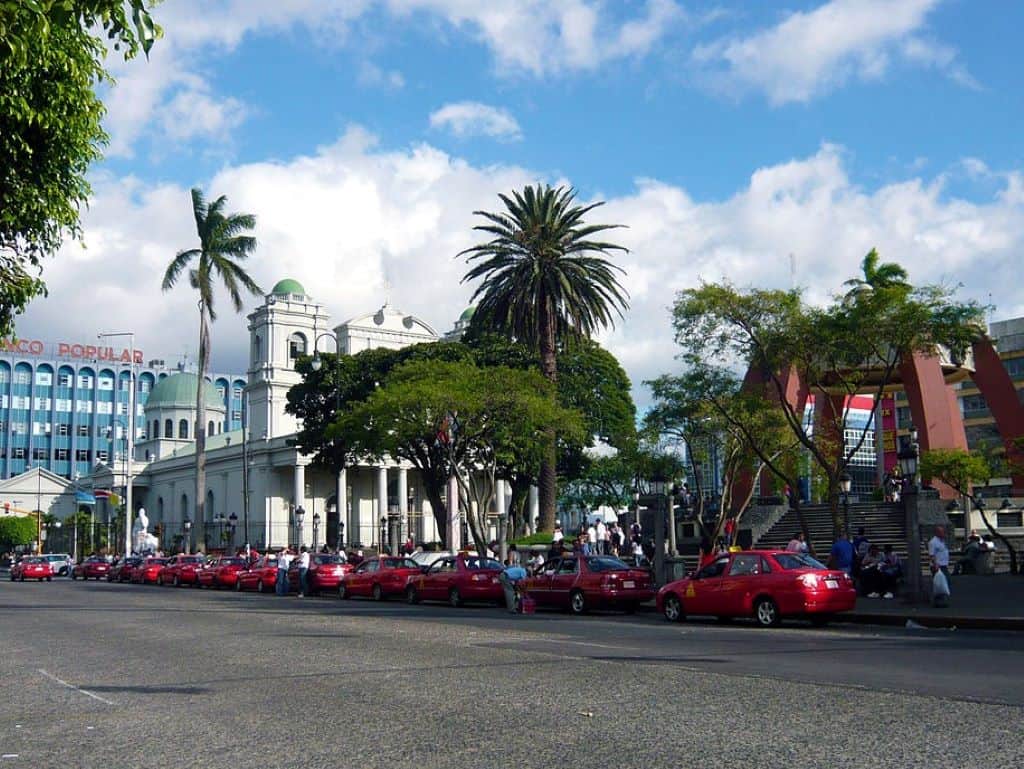
Taxis are everywhere in Costa Rica. These are the orange taxis with a green triangle on the door at the airport and red taxis with a yellow triangle everywhere else.
Many times, at least on the coasts, they are 4WD SUVs instead of the sedans you may be used to in the US or elsewhere.
They are a great option for short distances or if you are traveling late at night. Although they’re technically metered, be sure to agree on a price before you get in the car.
40. Shuttles
For shorter distances, you can take a shuttle. These are shared vans that will take you door-to-door from your accommodation to your destination.
You can book these online or through your accommodation. They are slightly more expensive than the bus but much more convenient.

41. Local Buses
For short local routes, like the town of Quepos to Manuel Antonio National Park or the beach, there are local buses you can use instead of taxis.
These are a great option if you’re on a budget and have some extra time to wait for buses.
The public buses in Costa Rica are ridiculously cheap and convenient. They pick up and drop off on the side of the highway. Granted they are not always the most comfortable, but they are OK.
If you want to travel to several destinations over longer distances, though, buses are not the best because you will often have to go back to San Jose to connect to your next destination.
It’s too much of a pain, at least if you’re a family traveling with luggage.

42. Uber
Uber exists. But it’s not technically legal. In San Jose and La Fortuna, you will often be asked to sit in the front seat to avoid any suspicion that you’re in an Uber.
This is important because the police do stop people they suspect of being Uber drivers.
If this happens and you are in the car as a passenger then you could be left stranded on the side of the road without transportation.
You may want to take an official Costa Rican taxi instead. Just be sure to check the meter before giving your destination.

Things I Wish I Knew Before Going to Costa Rica: Driving
43. Rental Cars
Having our car was one of the best things we did during our time in Costa Rica.
It allowed us to explore Costa Rica at our own pace and made getting around much easier. Just be prepared for the challenges of driving in Costa Rica.
👉 I recommend using Discover Cars for renting a car on your trip!

44. Road Quality
The roads can be bad in Costa Rica. They are sometimes full of potholes and they’re often very narrow.
I wish I had known this before we went because it made driving around the country a bit stressful. If you’re renting a car, be prepared for a bumpy ride once you get off the highways.

45. Signage
The signage is also not the best. We got lost a few times because we couldn’t find the right road.
You’re far more likely to see warning signs about animals crossing than you are signs with street names.
This is something to keep in mind if you’re driving yourself around Costa Rica.

46. Driver Behavior
The drivers can be pretty aggressive! They tailgate, they pass on blind curves, and they honk a lot.
Plus, they drive the blind curves fast and sometimes veer into the lane for oncoming traffic.
This was one of the things that stressed me out the most about driving in Costa Rica. Just be prepared and drive defensively.

47. Four-Wheel Drive
A 4×4 vehicle is not required except when traveling to remote areas, such as Tortuguero National Park.
If you’re planning on driving to more remote areas, you’ll need a 4×4 vehicle.
I recommend one if you head to Monteverde or other mountainous towns.
You can get by without one but I would have felt better if we had 4WD because the hills there are no joke!
48. San Jose Rush Hour
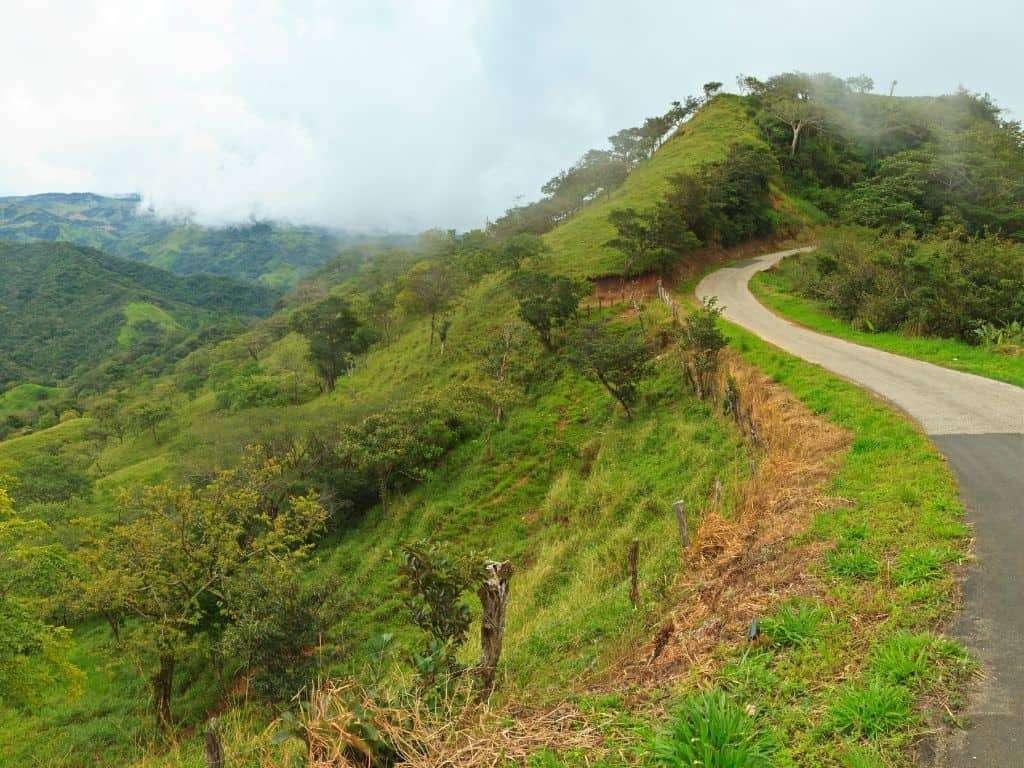
City traffic is bananas! The traffic in San Jose is really bad. Be prepared for a lot of stop-and-go traffic and honking. Oh the honking!
I flew back to the US for a few days while we were in Costa Rica, and poor David had to pick me up at the airport during rush hour.
Despite it normally being a 15-minute drive from our apartment, the drive back after he picked me up took almost an hour!
The traffic jams in San Jose can add an hour or more to commutes into or out of the city. Plan your drives accordingly, and try to never travel during rush hour.

49. Waze
If you’re driving, use Waze to get around. Much of Costa Rica is under construction, so the roads are constantly changing. Printed maps would be outdated. And we’ve had Google Maps lead us to nowhere a couple of times.

50. Addresses
Addresses aren’t a thing. Most places don’t have street addresses. This can make things tricky when using GPS or trying to find a specific restaurant.
When in doubt, ask someone nearby for help or look up the location on Google Maps or Waze before you leave.

51. Toll Roads
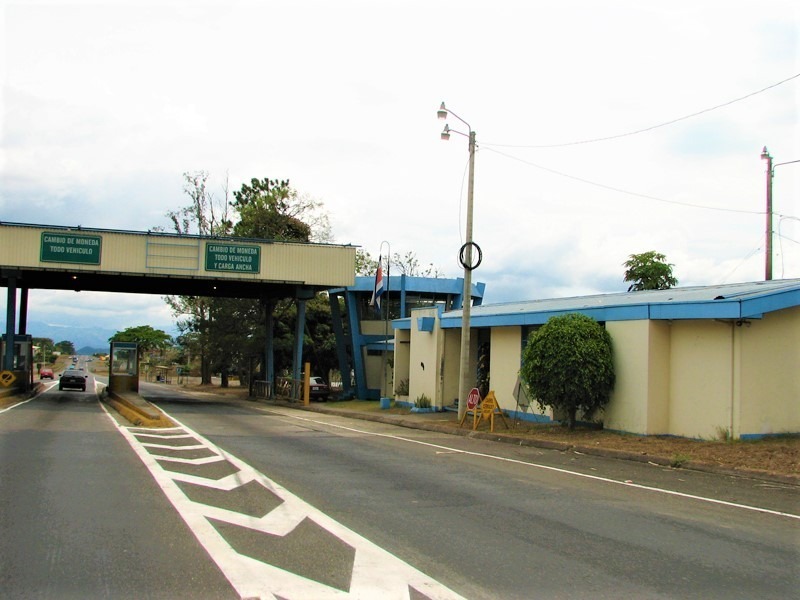
There are toll roads in Costa Rica. There are tolls on the major highway in the country heading from San Jose to the Pacific coast. It’s not pricey, usually only ~1,000 colones.
They do accept dollars though, so if you are heading from the airport to the beaches, don’t stress if you haven’t switched to colones yet.
Consider paying with a $10 bill at the first toll and they will give you your change in colones.
This will be enough colones to pay the rest of the tolls on your drive plus a little extra.
52. Distances are Deceiving
Things look much closer on the map than they are.
That’s because Costa Rica is a small country, but it has some terrible roads. It can take hours to travel short distances.
Just be prepared for long drives, even if things look close on the map. We drove less than 60 km from Lake Arenal to Monteverde and it took over 3.5 hours!

53. Police Stops
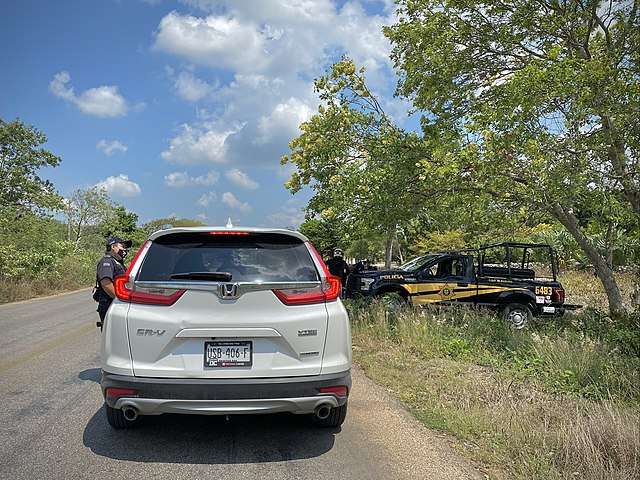
In Costa Rica, police are legally allowed to stop any car and ask for papers at any time.
To drive legally in Costa Rica as a tourist, you need to have your original passport (not a color copy), your original driver’s license, and a valid tourist stamp with you.
If the police stop you, they’ll typically ask you for your passport, ask you where you’re going, and then send you on your way.
Most of the time they don’t ask anything else and many of them speak some English.
If you do run into cops insisting you need to pay a ticket on the spot, don’t do it. You’re legally entitled to a paper ticket that you should pay at a police station.
54. Drive Defensively
Simply stated, always drive defensively, especially in the cities. Don’t get stressed out or mad because you get cut off or tailgated. I guarantee this will happen. Several times.
You will see cars jump the line, not heed stop signs, run red lights, and not use blinkers.
Of course, not all Costa Ricans drive this way but for the most part, it is like that, especially in the cities.
Once you get out to the rural areas, it’s much more relaxed since there are fewer cars.

However, you still need to be aware of your surroundings at all times.
There are always people, dogs, chickens, cows, and other things in the middle of the narrow road due to the lack of sidewalks, street signs, or street lights.
This is another reason not to drive at night.
Things I Wish I Knew Before Going to Costa Rica: Geography
55. San Jose
Spend time in San Jose. Most people get out of San Jose and head to the National Parks and other eco-tourism areas as soon as they land.
And for good reason. Those places are amazing.
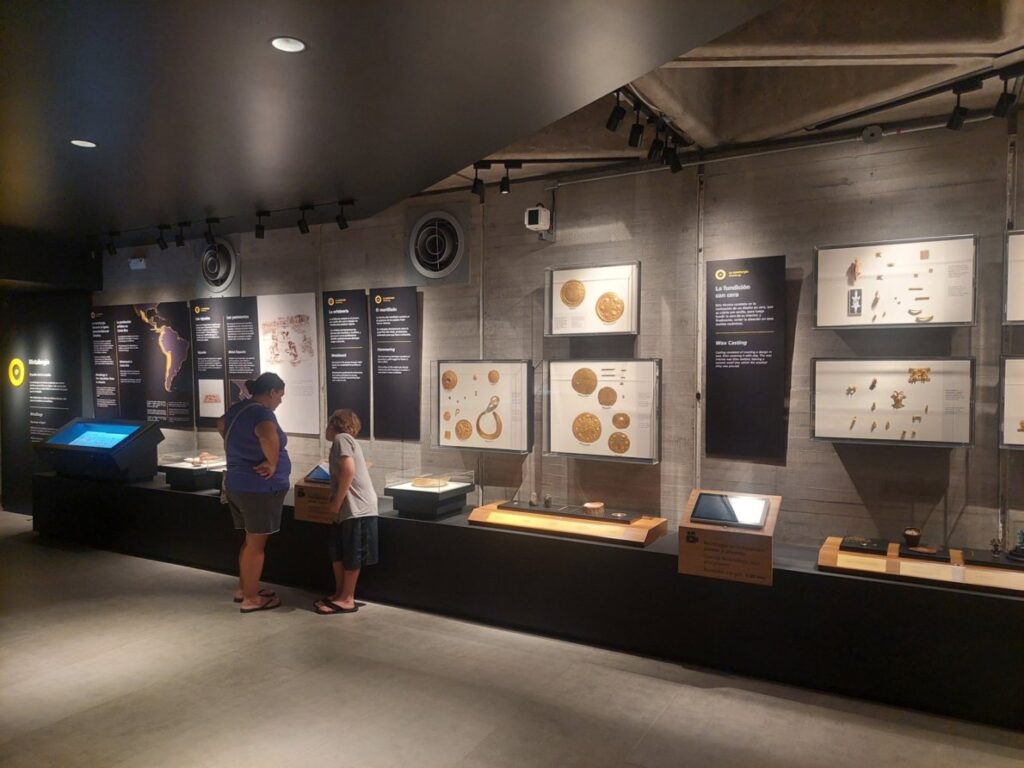
However, San Jose also has some pretty cool things to do as well. Including visiting the children’s museum, visiting some other cool museums, and taking a tour of the city.
56. Two Coasts
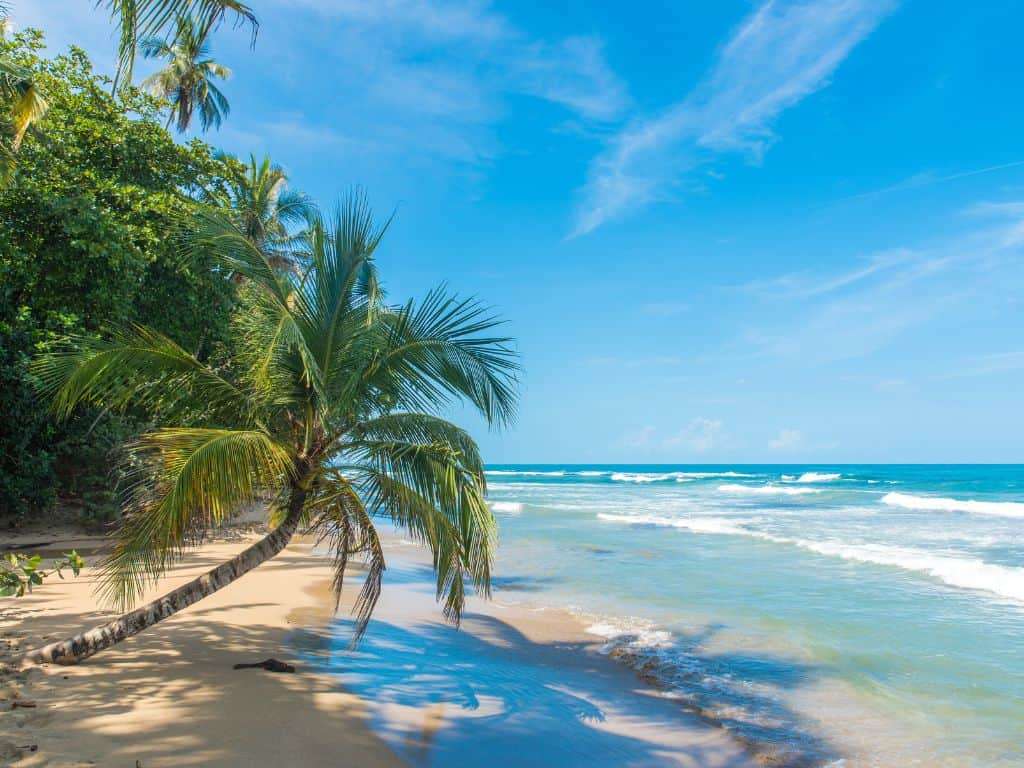
The Pacific coast and the Caribbean coast are totally different. The Pacific coast is much more developed and touristed than the Caribbean coast.
This is because the Pacific has better infrastructure and accessibility. The beaches on the Pacific coast are also better for swimming and surfing.
The Caribbean coast is much more laid-back and has a different vibe. The beaches here are better for relaxing and taking in the scenery.
57. Volcanoes
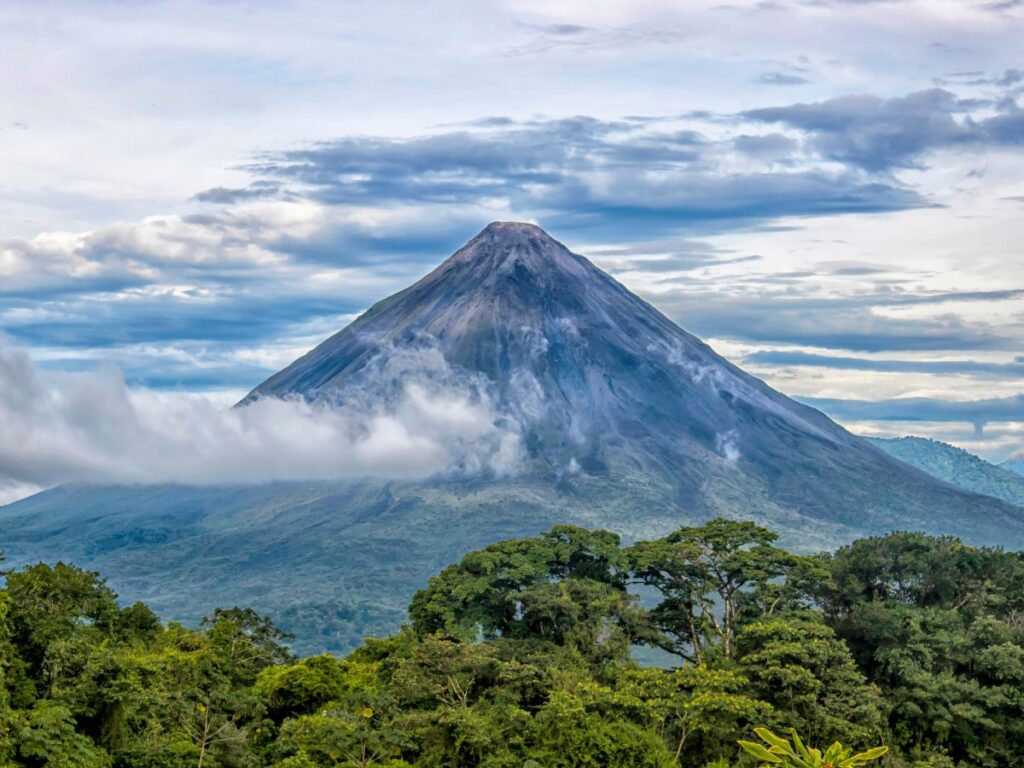
Volcanoes are everywhere! There are two types of volcanoes in Costa Rica. There are active volcanoes, which you can visit, and there are also dormant volcanoes.
The most popular volcano to visit is Arenal, which has an active lava flow.
58. Mysterious Stones
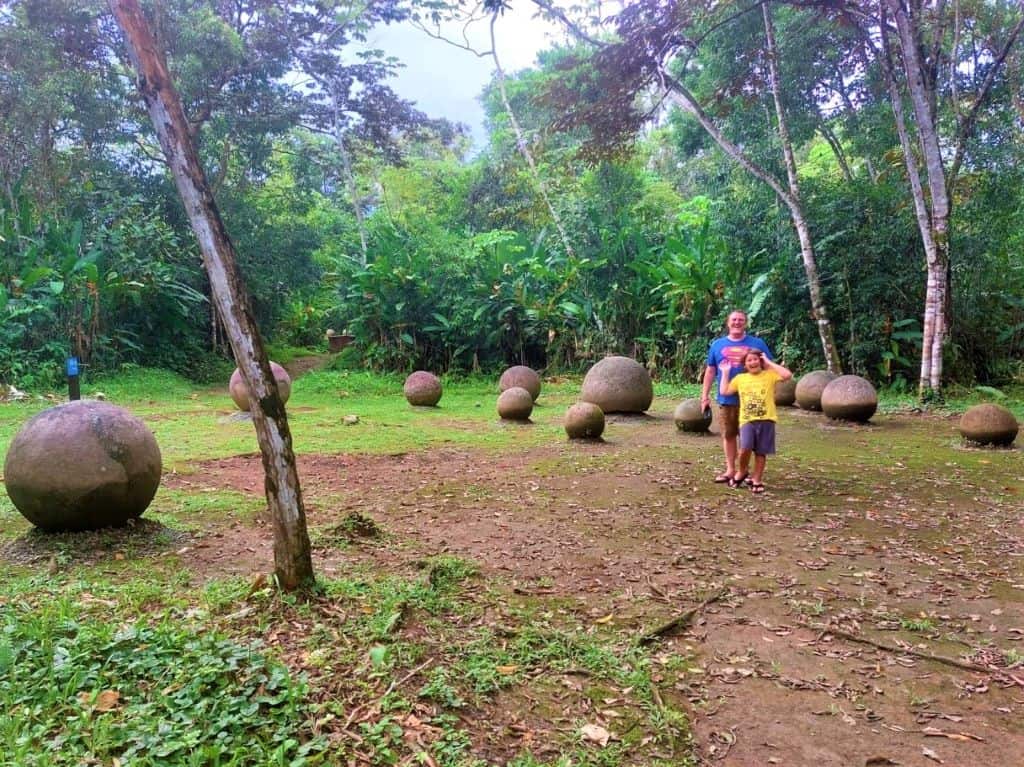
There are mysterious stone spheres. These are round, stone petrospheres that were created by the indigenous people of Costa Rica called the Disquis people.
Sadly, their culture has been extinct for a long time. No one really knows how or why they made them, but they can be found all over the country.
The best place to see them is on Cano Island, near Corcovado National Park, or the Disquis Delta region (near Uvita).
You can also see them at the National Museum of Costa Rica in San Jose.
59. National Parks
The National Parks are amazing. There are 28 national parks in Costa Rica, three of which are UNESCO World Heritage Sites.
These protected areas consist of primary virgin rainforests and a complex system of freshwater and marine resources throughout the country.

60. Sunset
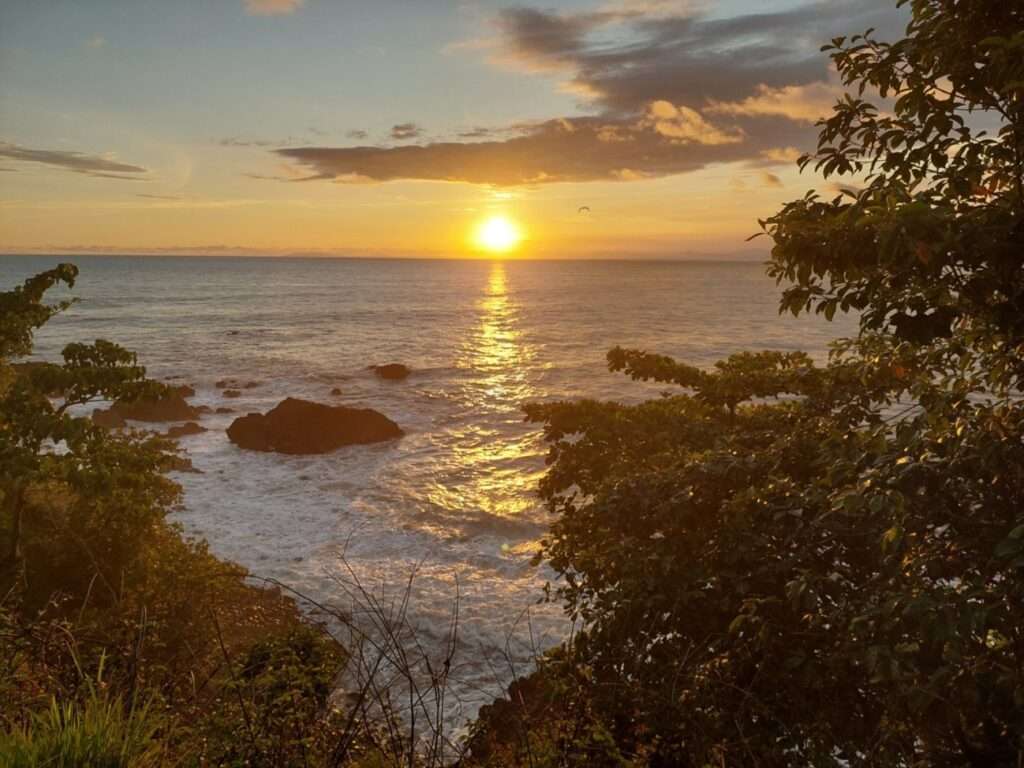
It gets dark early. All the time. The sunsets around 5:30 or 6 pm daily. 30 minutes later, it’s pitch black outside.
And the sun rises around 5:30 or 6 AM every day since Costa Rica is only 8-12 degrees from the equator. It changes only about 15 minutes throughout the year.
Pro Tip: Costa Rica doesn’t have Daylight Savings Time either.
While being out after dark isn’t dangerous, per se, it can be much more difficult to navigate the narrow, winding, and poorly lit roads in the dark.
I also don’t recommend walking on the roads or on the beach after dark.
Things I Wish I Knew Before Going to Costa Rica: Wildlife
61. Respect Nature
Be respectful of nature. Costa Rica is a country with an amazing amount of biodiversity.
When you travel there, it is important to be respectful of the animals and their habitats. Do not touch or feed the animals, even if they are friendly.

62. Shop Responsibly
Do not buy products made from endangered species. This includes things like turtle shells, coral, and whale meat.
Not only is it illegal to buy these things, but it also contributes to the decline of these species.
There are plenty of souvenirs made from sustainable materials that you can buy instead.

63. So. Many Animals.
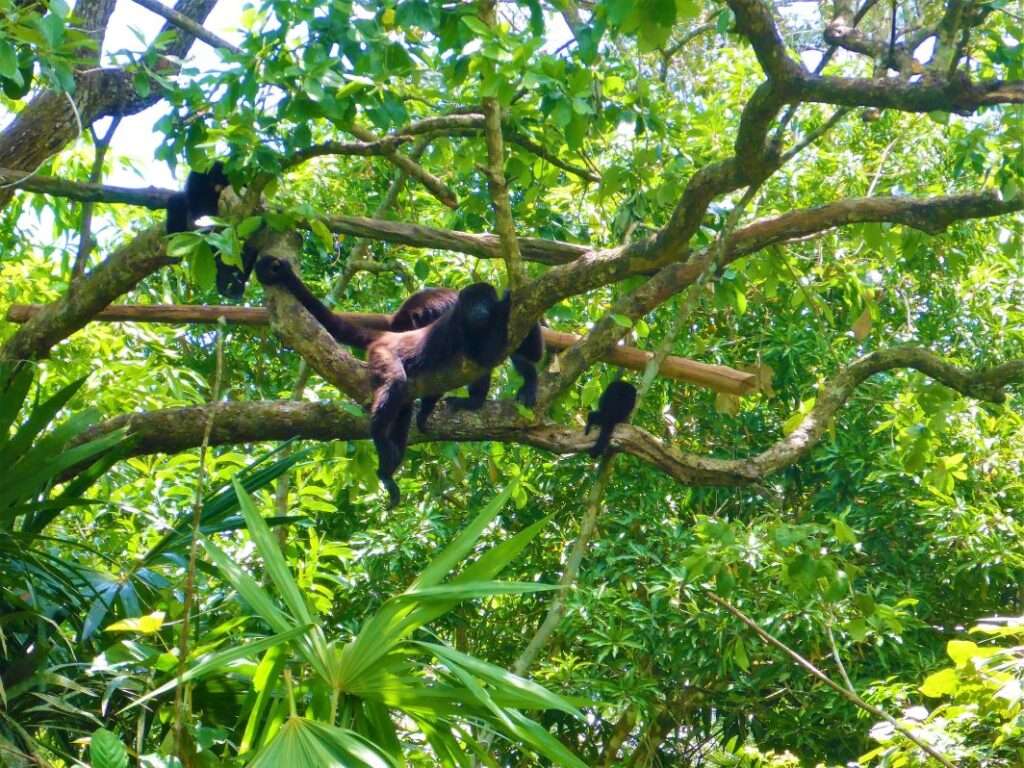
There are a lot of animals in Costa Rica! I was surprised by how many monkeys we saw, and not just in the reserves.
At our apartment on the outskirts of Quepos, we saw howler monkeys and squirrel monkeys almost daily.
We even saw white-faced capuchins in the trees near our patio once!
64. Dangerous Critters
Beware of the animals though. Some of them can be dangerous, like the scorpions.
There are also a lot of snakes, spiders, and other insects. Scorpions aren’t lethal in Costa Rica, but their stings can be painful.
Make sure to shake out shoes and blankets if left on the floor before using them. If you’re staying in a rural area, you may even want to shake out the sheets on your bed.
If you find a scorpion in your hotel or vacation rental, just get a cup to scoop it up and put it back outside.
They aren’t trying to hurt you, they just aren’t very smart when seeking a place to hide.

65. Jellyfish
Some of the beaches have jellyfish. We didn’t see any while we were there, but it’s something to be aware of.
They are most often spotted on the southwest (Pacific) coast of Costa Rica, if at all.
If you do see one, don’t touch it! The stings can be painful.

66. Sloths
Sloths aren’t everywhere. They’re generally only found in lowland areas, like the Caribbean and Pacific coasts. There are some in Monteverde but they’re rarer there.
The two-toed sloth prefers higher altitudes and cooler temperatures, so you’re more likely to see it in cloud forests.
The three-toed sloth prefers warmer climates, so you’re more likely to see them along the coasts.

67. Other Animals
Don’t worry, there are also a lot of harmless animals. Iguanas are everywhere! We even had one living on our patio.
Frogs are also common, both in the rainforest and around pools. These guys are harmless and actually kind of cute! We found one in our Quepos apartment one night, and made sure to safely put it back outside.

What items are hard to get in Costa Rica?
Costa Rica is known for its abundance of natural resources, but there are certain items that can be hard to find.
Electronics, good peanut butter, and specialty snacks – like Dr. Pepper – are all difficult to obtain in the country.
This is mainly because these items require specialized storage and transportation methods that aren’t widely available in Costa Rica.
And, the high import taxes can make it more expensive to bring these items into the country.
Fortunately, with a bit of persistence, you can usually find what you need in Costa Rica.
Many shops in tourist areas will carry those harder-to-find items that you might not see elsewhere. Be prepared to pay a little extra for these items though!
👉 While we have global health insurance for our day-to-day lives, we also elect travel insurance with SafetyWing for our spurts of fast travel adventure!
Conclusion: Things I Wish I Knew Before Going to Costa Rica
Clearly What to know before traveling to Costa Rica entails a great deal.
There are a lot of things to consider before planning a Costa Rican trip, but it is definitely worth it! The country is beautiful and full of amazing wildlife.
Just be sure to be respectful of the animals and their habitats, and don’t buy products made from endangered species.
With a little planning and use of some of the above list of things I wish I knew before going to Costa Rica, you’re sure to have a trip of a lifetime!
Costa Rica is a wonderful place to visit, and by being prepared you can make sure that your trip is safe and enjoyable for everyone.


